The most comfortable shoes for standing all day are not simply the softest pair in the shop. They need to fit your feet properly, hold them securely and suit the work you actually do.
That matters in Nigeria, where a “normal” day may include a long commute, uneven pavements, heat, a sudden downpour, stairs, an air-conditioned office and several hours on your feet. Teachers, pharmacists, healthcare workers, retail teams, ushers, hospitality staff, event vendors and office professionals all need different things from their shoes. The right choice is the pair that matches your feet, your dress code and your daily route.
Start with fit, not style
A shoe can look perfect and still become uncomfortable after two hours if it is too narrow, too short or loose at the heel. Your toes should have enough room to sit naturally. The widest part of your foot should align with the widest part of the shoe, and your heel should feel secure without being pinched.
Try both shoes because one foot may be slightly larger than the other. If possible, check the fit later in the day, when feet may be a little fuller after walking or standing. Wear the type of socks you plan to use with the shoes.
A new pair may soften slightly with normal wear, but it should not depend on pain to become usable. Read Should Shoes Hurt When Breaking In? before buying a tight pair and hoping it will eventually become the right size. For a closer fit check, see How Should Derby Shoes Fit?
What to look for in shoes for long standing
A stable base
A stable sole helps you feel planted while standing and walking. The shoe should not twist too easily through the middle, and the heel should feel balanced rather than unstable. A very high or narrow heel may be fine for a short occasion but is rarely the easiest choice for a full day on your feet.
Enough room at the toes
Crowded toes are a common source of discomfort. A pointed shape is not automatically uncomfortable, but it must be long and wide enough for your foot. If your toes overlap, press against the end or sit over the edge of an open shoe, try another size or shape.
Secure hold
Your foot should not work hard to keep the shoe on. Excessive heel slipping in a closed shoe, or gripping with your toes in a loose slide, can make a long day tiring. Laces, a well-fitted loafer vamp, secure straps or a properly shaped upper can help keep the foot in place.
Sensible cushioning
Cushioning can improve the feel underfoot, but more softness is not always better. An extremely soft footbed may compress quickly or feel unstable. Look for a comfortable balance of cushioning, structure and fit. No footwear can guarantee that you will never feel tired after many hours of standing.
A lining and upper suitable for the day
Smooth leather, suede, woven material, denim and mixed-material uppers behave differently. Do not assume every handmade shoe is leather. Smooth leather can be easier to wipe after light dust, while suede needs a suitable brush and protection from heavy rain. Woven or open styles may feel airy but may not meet every workplace dress code.
The best shoe styles for standing all day
Loafers
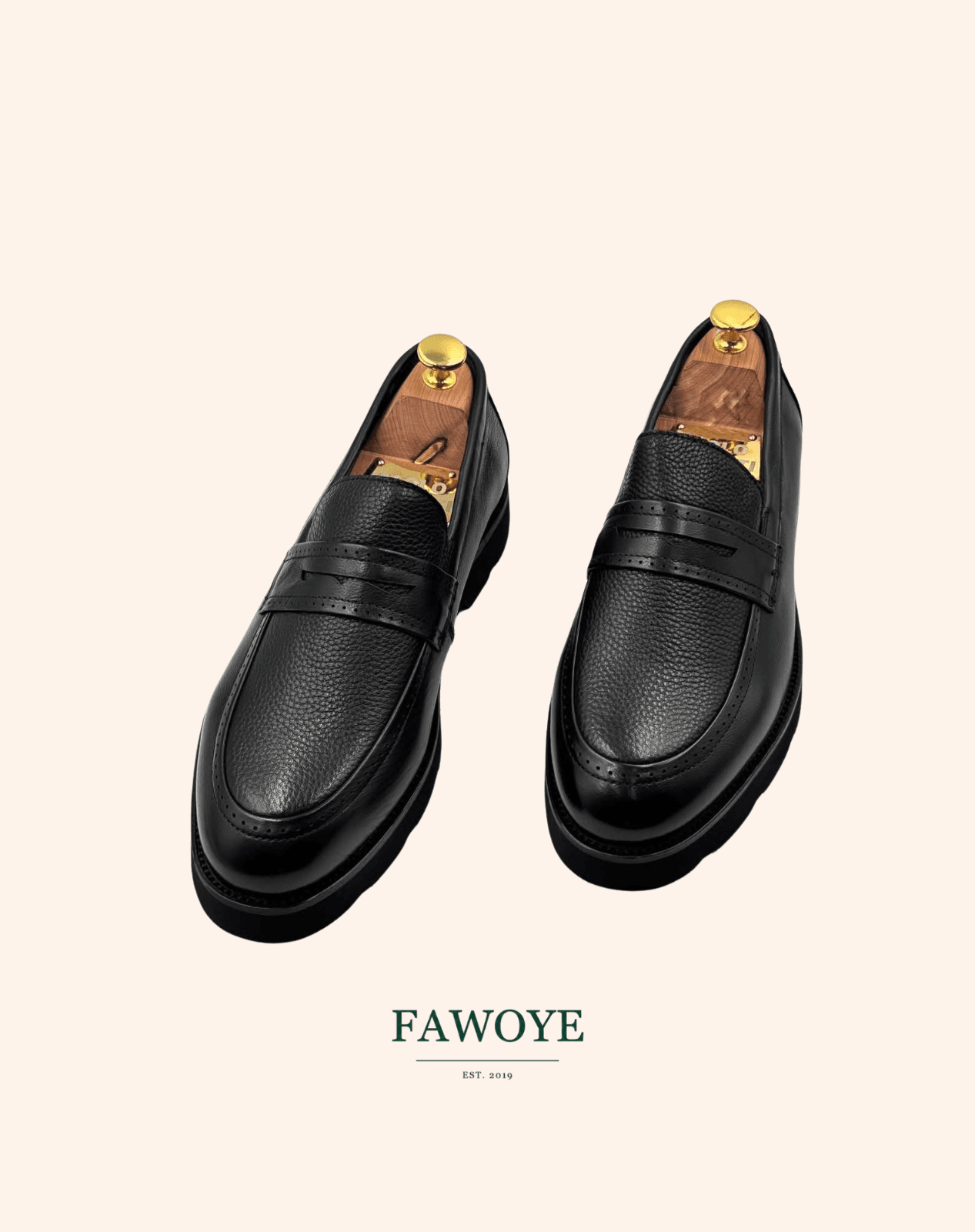
Loafers are a practical starting point for many office, retail and hospitality settings because they combine a closed shape with slip-on convenience. The fit across the instep is important: too loose and the heel may lift; too tight and the upper may press uncomfortably.
FAWOYE options to consider include Penny Loafers, Horsebit Suede Loafers and the Slip-On Brogue Loafer. Choose by fit, material, dress code and the conditions in which you will wear the pair, rather than assuming one style suits every foot.
For styling ideas, read How to Style Men’s Loafers in Nigeria.
Derby shoes
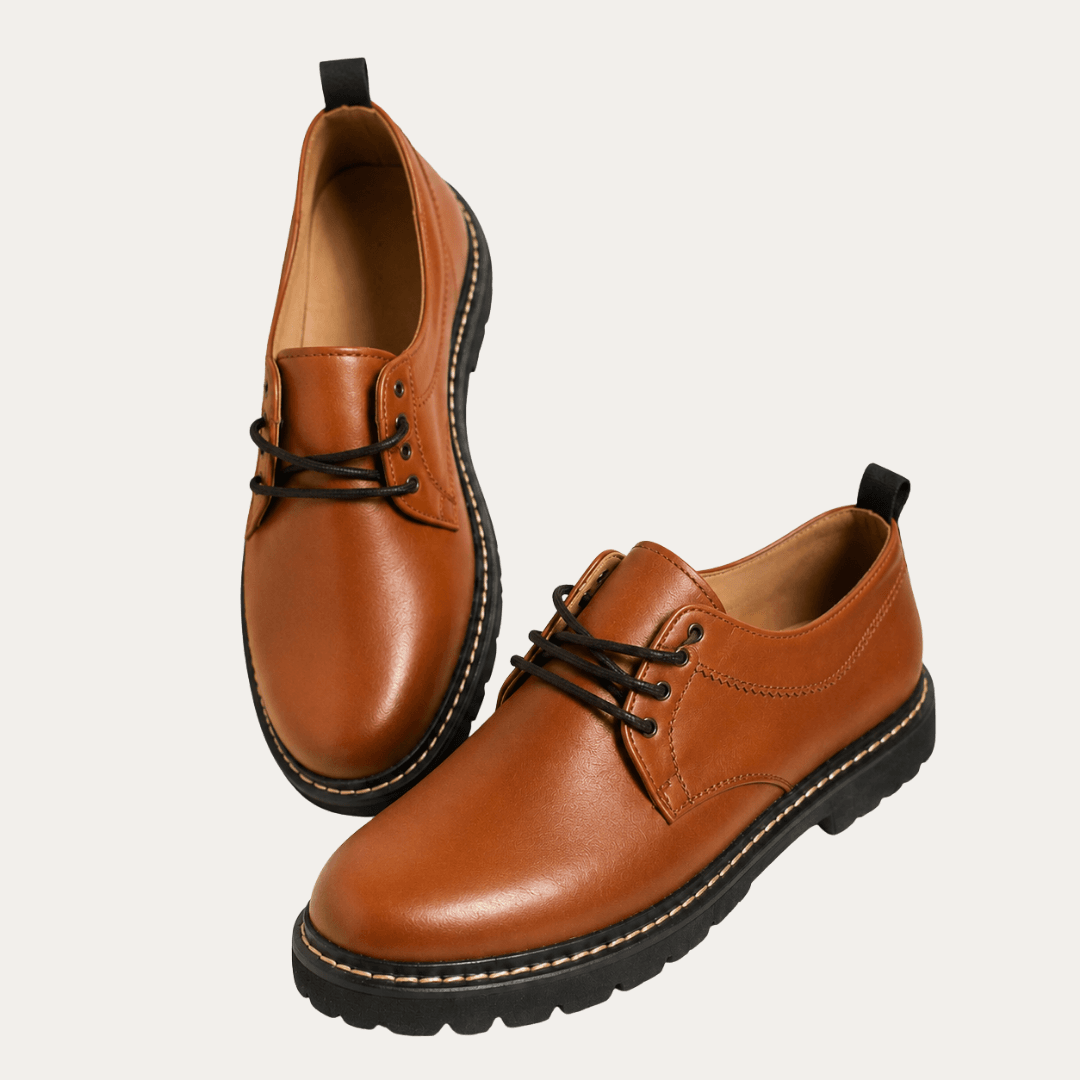
A Derby has open lacing, which gives some room for adjustment across the top of the foot. It can work well for corporate offices, formal workwear and days that move from meetings to events. The Wing Tail Brogue offers a decorative formal option, but the correct size remains more important than the design details.
Compare the construction in What Are Derby Shoes? and see outfit guidance in How to Style Derby Shoes.
Low block heels and structured flats
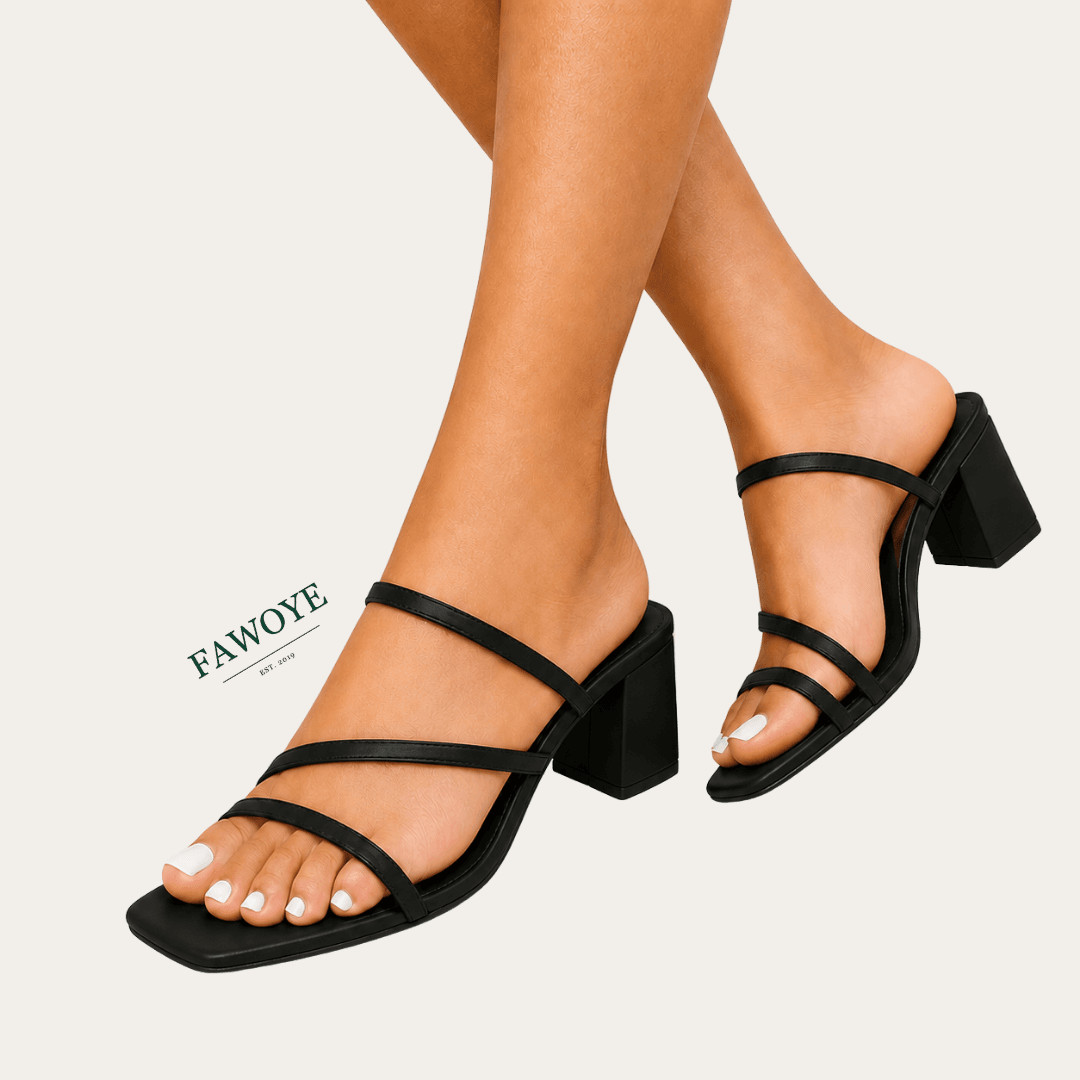
For women, a low, broad heel can provide a more stable base than a narrow stiletto. A structured flat or loafer can also work for long office days, provided it fits securely and leaves enough toe room. Open sandals may be comfortable in some settings, but always check the workplace dress code and whether the straps hold the foot properly.
See Office Shoes for Women for a fuller comparison of flats, loafers, sandals and block heels.
Slides and sandals
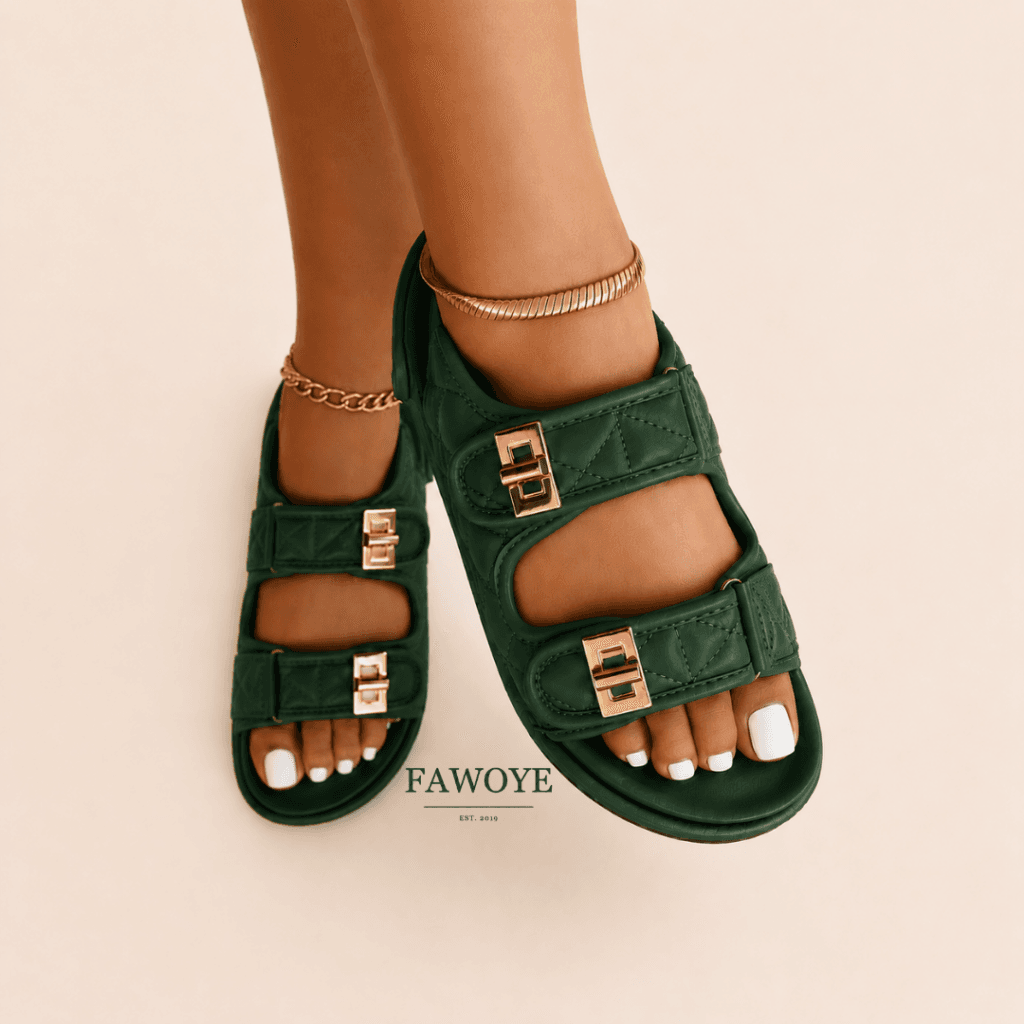
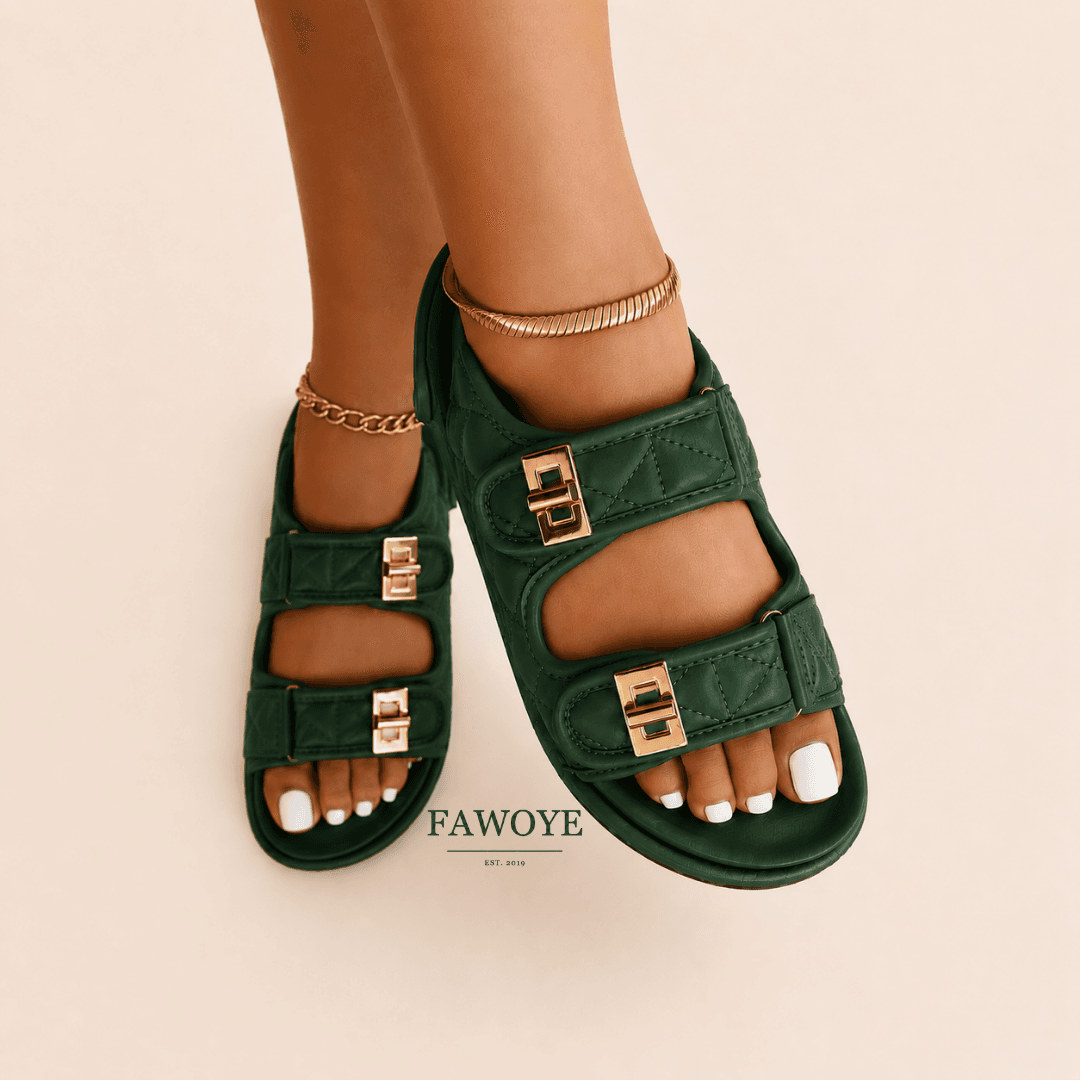
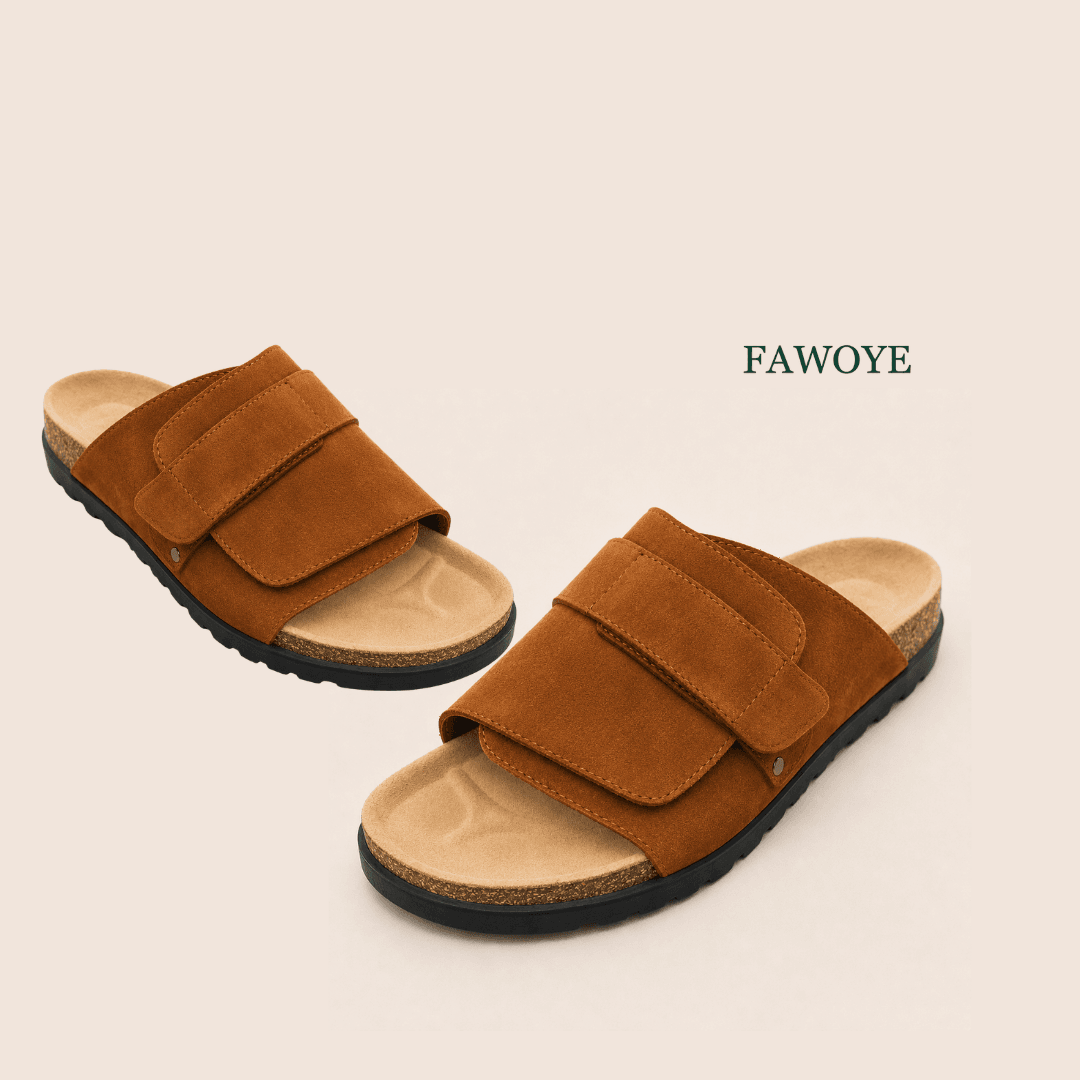
Slides are useful for casual workplaces, errands and changing into after a formal event. For long periods of standing, choose a pair that holds the foot securely and does not force the toes to grip. A slide that is too short, too loose or too flat for your needs can become tiring even when it feels soft at first.
Match the shoe to the job
- Teachers and lecturers: prioritise a secure fit, stable sole and a style that moves comfortably between standing and walking.
- Retail and hospitality teams: choose footwear that suits the uniform, remains secure during frequent movement and is easy to maintain.
- Office professionals: loafers, Derby shoes, structured flats and low block heels can balance polish and practicality.
- Ushers and event vendors: consider the venue surface and the length of the event. A spare lower pair can be useful after formal photographs or key moments.
- Healthcare and pharmacy staff: follow employer safety and hygiene requirements first. Some workplaces require closed toes, slip-resistant soles or specific uniform footwear.
Nigeria’s heat, rainy season and harmattan
Climate affects comfort and maintenance. During hot days, choose breathable socks and allow worn pairs to air out before storing them. Do not leave damp shoes sealed in a box or plastic bag.
In the rainy season, avoid treating ordinary dress shoes as waterproof. If a pair gets wet, remove surface dirt, allow it to dry naturally away from direct heat and follow care instructions for the actual material. Direct heat can damage some uppers and adhesives. During harmattan, dust shoes regularly and condition smooth leather only with a product intended for that finish. Do not apply leather cream to suede.
Rotating two or more work pairs gives each one time to dry and recover between wears. It also helps you choose the right material for the weather instead of forcing one pair through every condition.
Comfort habits that matter beyond the shoe
Even a well-fitted shoe cannot remove every effect of standing for a long time. Change position when your work allows, take brief seated breaks, and avoid wearing worn-out soles that have become uneven. Replace damaged heel tips or loose soles promptly.
Persistent pain, swelling, numbness or recurring blisters should not be ignored. A shoe guide cannot diagnose a medical problem. Speak with a qualified healthcare professional or podiatry specialist if discomfort continues, especially if you have diabetes, circulation problems or an existing foot condition.
A practical buying checklist
Before ordering comfortable shoes for standing all day, ask:
- Is the EU size confirmed for this exact design?
- Does the toe shape suit the width of my foot?
- Will the upper hold my foot without pinching?
- Is the sole stable for my workplace and route?
- Does the material suit rainy-season or harmattan use?
- Can I wear the pair with the socks or hosiery I use at work?
- Does the style meet my workplace dress and safety rules?
- Am I choosing a painful size because I expect it to “break in”?
A made-to-order conversation can help clarify size, available materials and intended use before production, but made-to-order does not automatically mean medical or fully bespoke footwear. Be honest about where and how long you will wear the pair.
Frequently Asked Questions
What type of shoe is best for standing all day?
A well-fitted shoe with a stable sole, secure upper, enough toe room and appropriate cushioning is a strong starting point. The best style depends on your foot, workplace and daily movement.
Are loafers comfortable for standing all day?
They can be, if the loafer fits securely without pinching and the sole suits your work. A loose heel or tight instep can make an otherwise good loafer uncomfortable.
Are flat shoes always better than heels?
No. A completely flat shoe is not automatically comfortable, and a low broad heel is not automatically uncomfortable. Fit, stability, toe room and individual needs matter more than a simple flat-versus-heel rule.
Should new work shoes hurt at first?
No. A little unfamiliarity is different from sharp pain, numbness, rubbing or cramped toes. Do not rely on painful breaking-in to correct the wrong size or shape.
How many work shoes should I rotate?
Two or more suitable pairs can be useful because each pair has time to air and dry between wears. The right number depends on your budget, dress code and routine.
Can comfortable shoes prevent foot pain?
Good footwear may reduce avoidable pressure and rubbing, but no shoe can prevent or treat every cause of pain. Seek professional advice for persistent symptoms.