A good outfit can lose its balance at the feet. The problem is rarely that a man has no shoes; it is usually that the pair he chose does not suit the outfit, occasion, weather or amount of walking ahead.
Here are the shoe mistakes Nigerian men make most often—and the practical fixes.
1. Choosing style before fit
A handsome shoe that pinches your toes or slips at the heel will not become comfortable through determination. Check the widest part of your foot, allow your toes to sit naturally and test both feet. If you are ordering online, use a proper leather shoe sizing guide instead of assuming every brand fits alike.
The fix: choose the correct EU size and ask about the last or shape of the shoe when you have wide feet, a high instep or different-sized feet.
2. Believing painful shoes must be “broken in”
Leather can soften slightly, but the wrong size does not turn into the right size. Severe pressure, numbness or rubbing is a fit warning, not proof of quality. Read our guide to the shoe break-in myth before accepting unnecessary pain.
3. Wearing one black pair with everything
Black shoes are useful, but they are not the only sensible choice. Brown, tan, wine and deep blue can make senator wear, kaftan and business-casual outfits feel more considered.
For formal business clothing, compare brown versus black shoes. With native wear, let the fabric and occasion guide you: black is sharper; brown and wine often feel warmer.
4. Pairing bulky shoes with flowing native wear
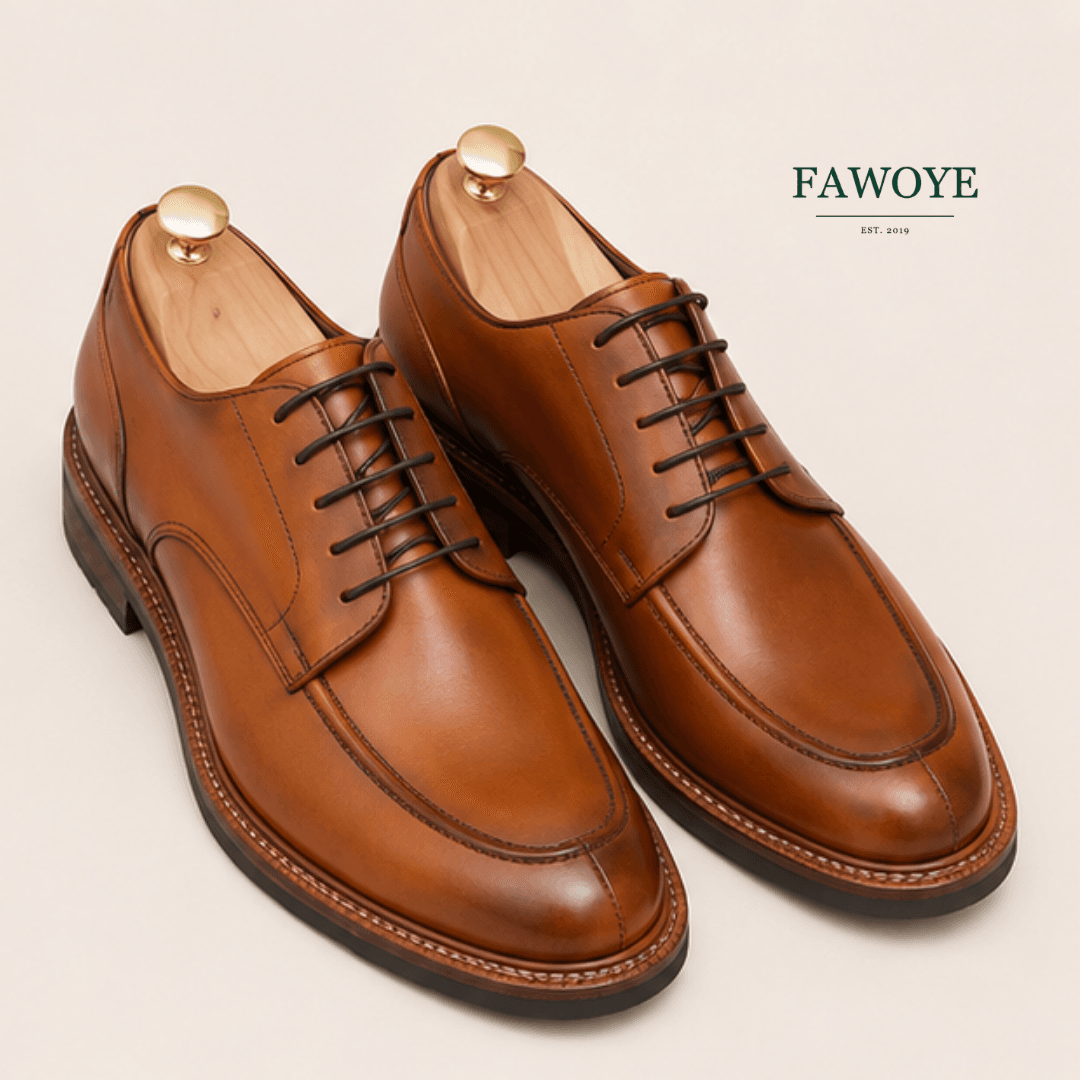
Heavy trainers or very chunky lace-ups can fight the clean line of agbada and kaftan. Sleeker loafers, monk straps and refined sandals usually sit better beneath Nigerian traditional clothing.
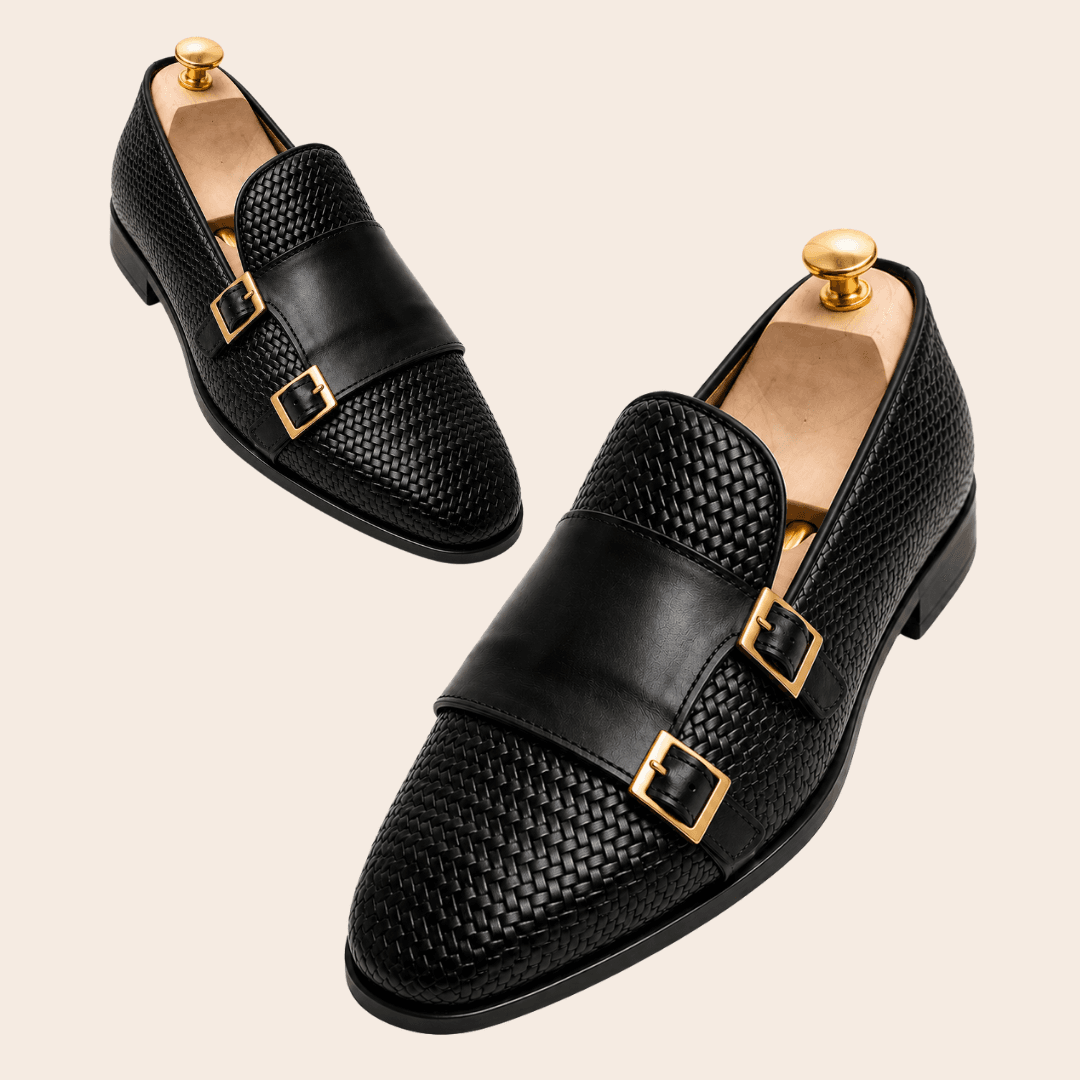
Try classic Penny Loafers or the dressier Two Toned Monkstrap. Our guides to shoes for native wear and shoes with agbada explain the difference.
5. Ignoring trouser length
Trousers that gather heavily over the shoe hide its shape; trousers that are too short can make a formal look feel accidental. Aim for a clean break that lets the shoe remain visible without exposing too much sock when standing.
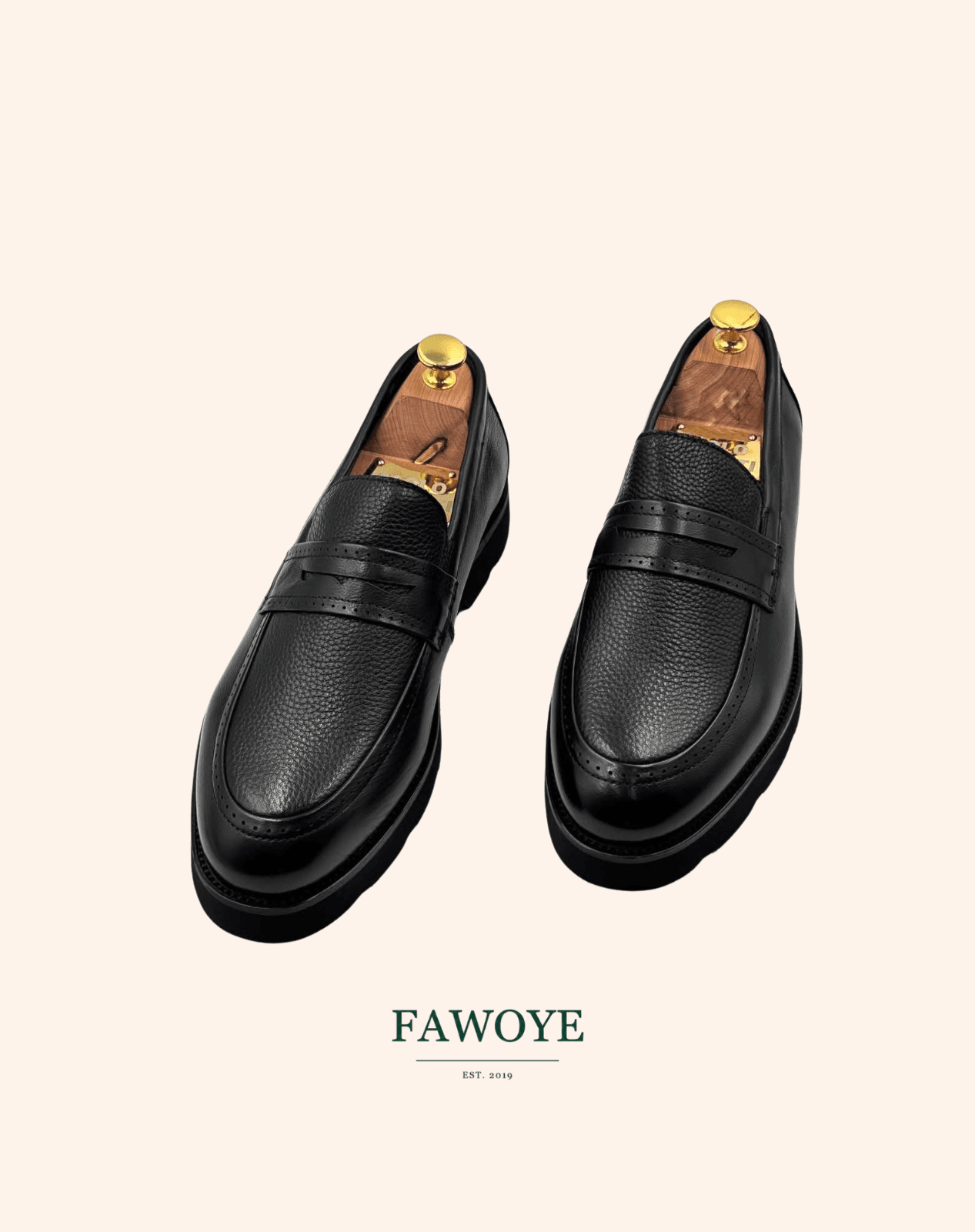
6. Wearing loafers without managing moisture
The sockless look should not mean bare feet inside leather all day. Nigeria’s heat makes moisture control important.
The fix: use clean no-show socks, allow shoes to air after wear and rotate pairs.
7. Using formal shoes for every environment
A polished Oxford is excellent for a boardroom or formal ceremony, but not necessarily for a wet outdoor event or a day involving rough ground. Match the construction and sole to the setting, not only to the dress code.
The Wing Tail Brogue gives formal outfits character, while a loafer is often easier for smart-casual movement.
8. Neglecting basic shoe care
Dust, rain splashes and trapped moisture shorten the life of leather and suede. Wipe shoes after wear, brush suede gently, condition smooth leather when needed and never store a damp pair in a closed box.
9. Repeating the same pair every day
Shoes need time to dry between wears. Rotation also helps you dress appropriately instead of forcing one pair into every role.
A useful starting wardrobe might include:
- one black formal lace-up;
- one brown or wine loafer;
- one refined native-wear option;
- one smart boot;
- one comfortable sandal or slide.
See the broader guide to shoes every Nigerian man should own.
10. Buying without considering real life
Do not buy only for the mirror. Consider your commute, office floor, wedding venue, weather, standing time and how often the shoe will be worn. A pair that supports your actual routine will deliver more value than one reserved for an imaginary occasion.
The simple rule
Choose the shoe for the whole day: outfit, setting, movement, weather and comfort. When all five agree, the look feels effortless.
FAQs
Should men match their belt exactly to their shoes?
The colours should relate, especially for formal outfits, but they do not need to be perfectly identical. Keep black with black; pair neighbouring brown tones thoughtfully.
Can loafers be worn with senator wear?
Yes. Choose a streamlined leather or suede loafer and keep the colour connected to the outfit. Avoid overly sporty soles for formal senator wear.
Are monk straps formal enough for weddings?
Yes. A clean single or double monk strap works well for many traditional and civil wedding looks, particularly with tailored trousers.
How many shoes does a Nigerian man need?
There is no fixed number. Build around the occasions you genuinely attend and rotate enough pairs to allow each one to rest.