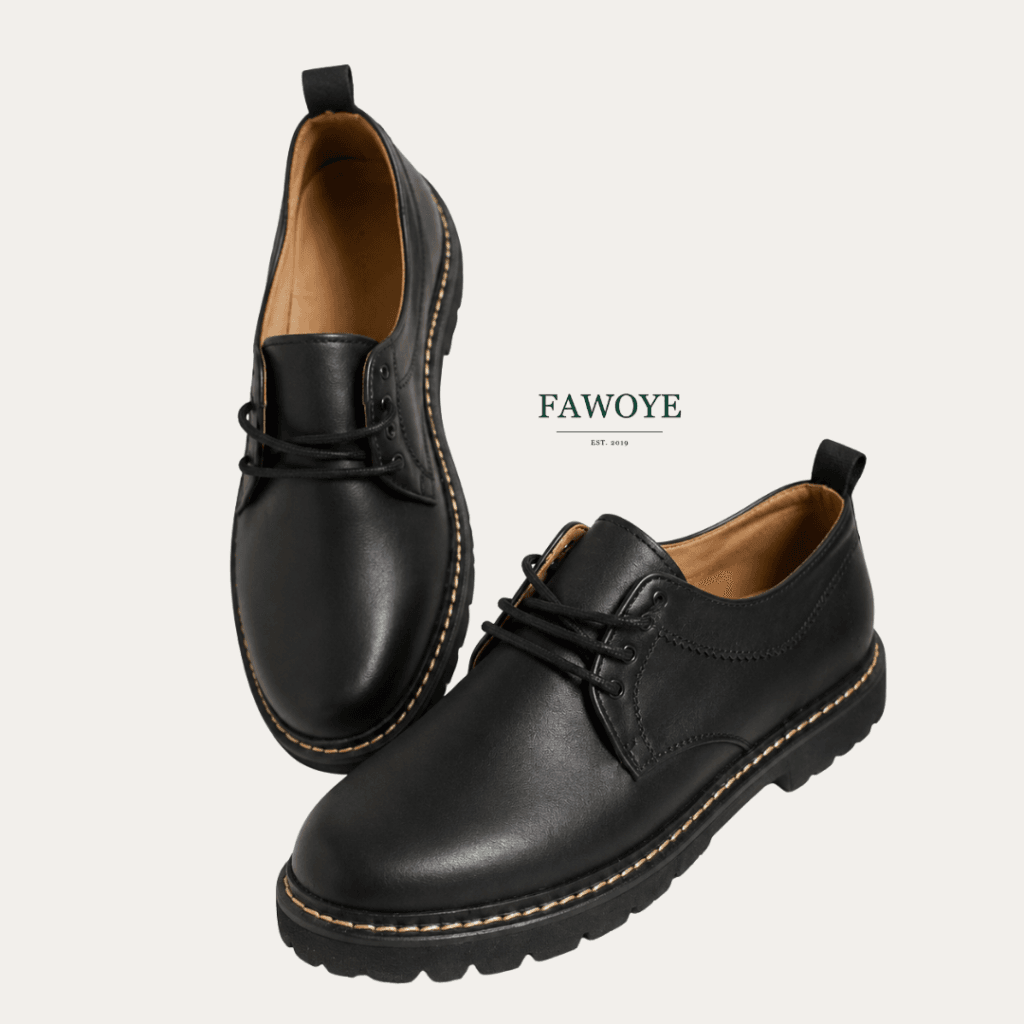
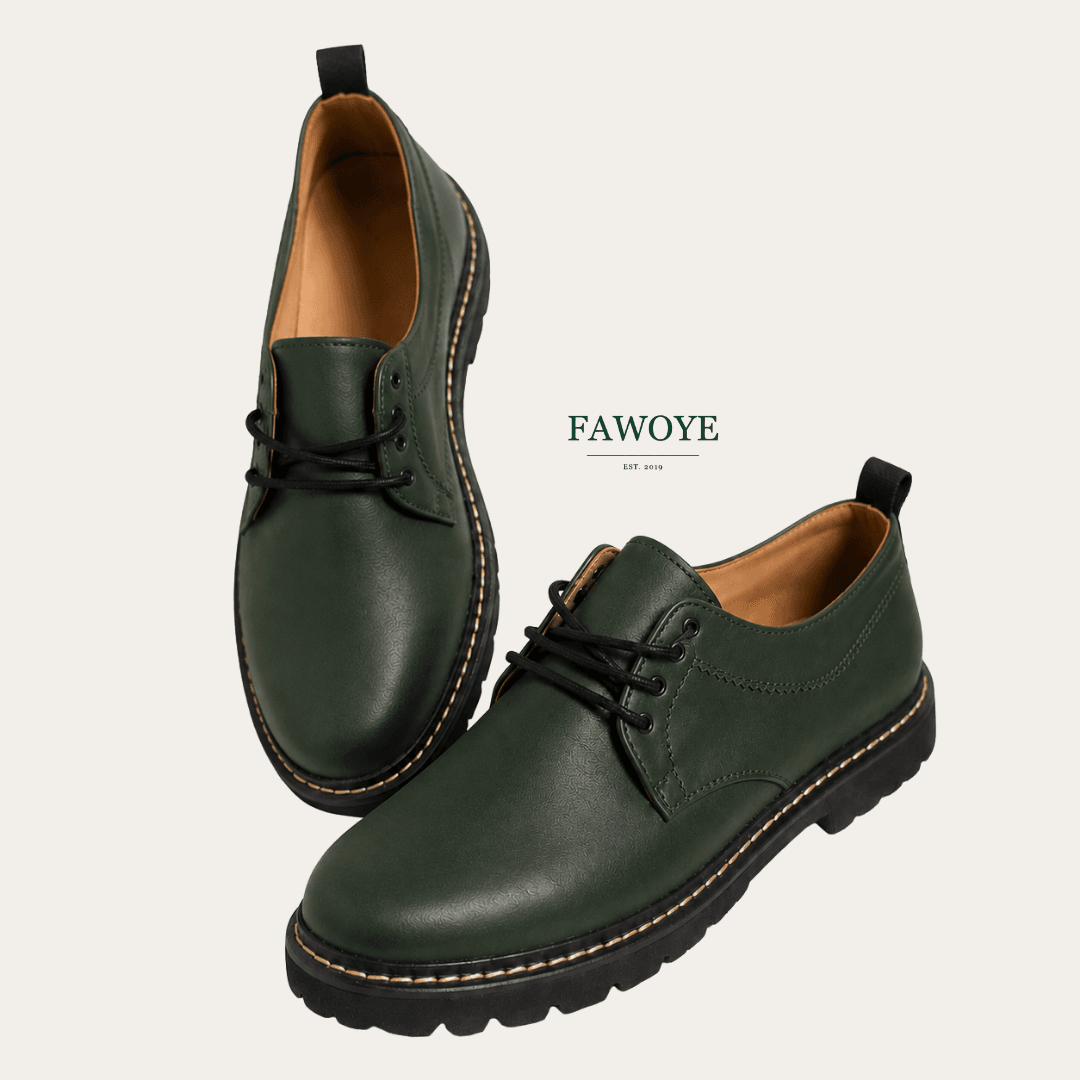
At 6:12 on Monday morning, the black Derby was already awake.
It sat beneath the wardrobe, looking at the trousers hanging above it and thinking, Surely he will choose the brown loafers today.
He did not.
The man reached down, pushed his feet into the Derby, pulled the laces tight and rushed out without so much as a cloth over the dust from Friday.
The Derby hated Mondays—not because it disliked work, but because Mondays revealed every bad shoe habit at once.
The commute
First came the hurried walk to the car, then a splash from the roadside. At the office entrance, the man wiped the mark with tissue and kept moving.
The Derby would have preferred a soft cloth and a moment to dry. Instead, moisture settled near the welt while air-conditioning cooled the damp leather.
By noon, the laces were too tight. The man blamed the shoe.
But the shoe remembered the first fitting. His toes had pressed forward and his instep had complained. “It will expand,” he had said. Our guide to how Derby shoes should fit would have told him otherwise.
The meeting
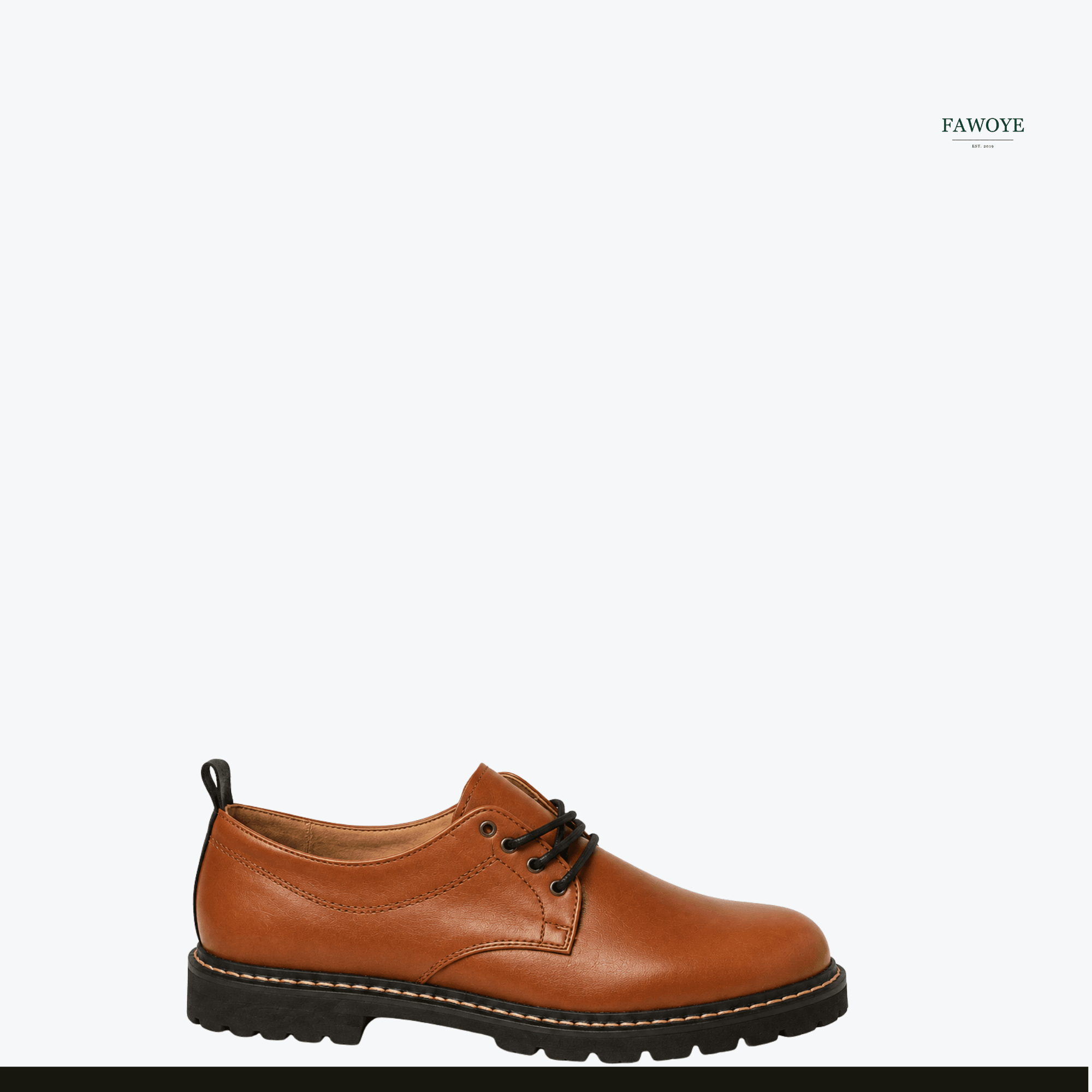
At 2:00, the Derby entered a boardroom beneath navy trousers. This was the part of Monday it enjoyed.
Derby shoes have open lacing, which gives them a slightly more relaxed character than Oxfords and often accommodates the instep more easily. They can work with suits, tailored trousers and business-casual outfits.
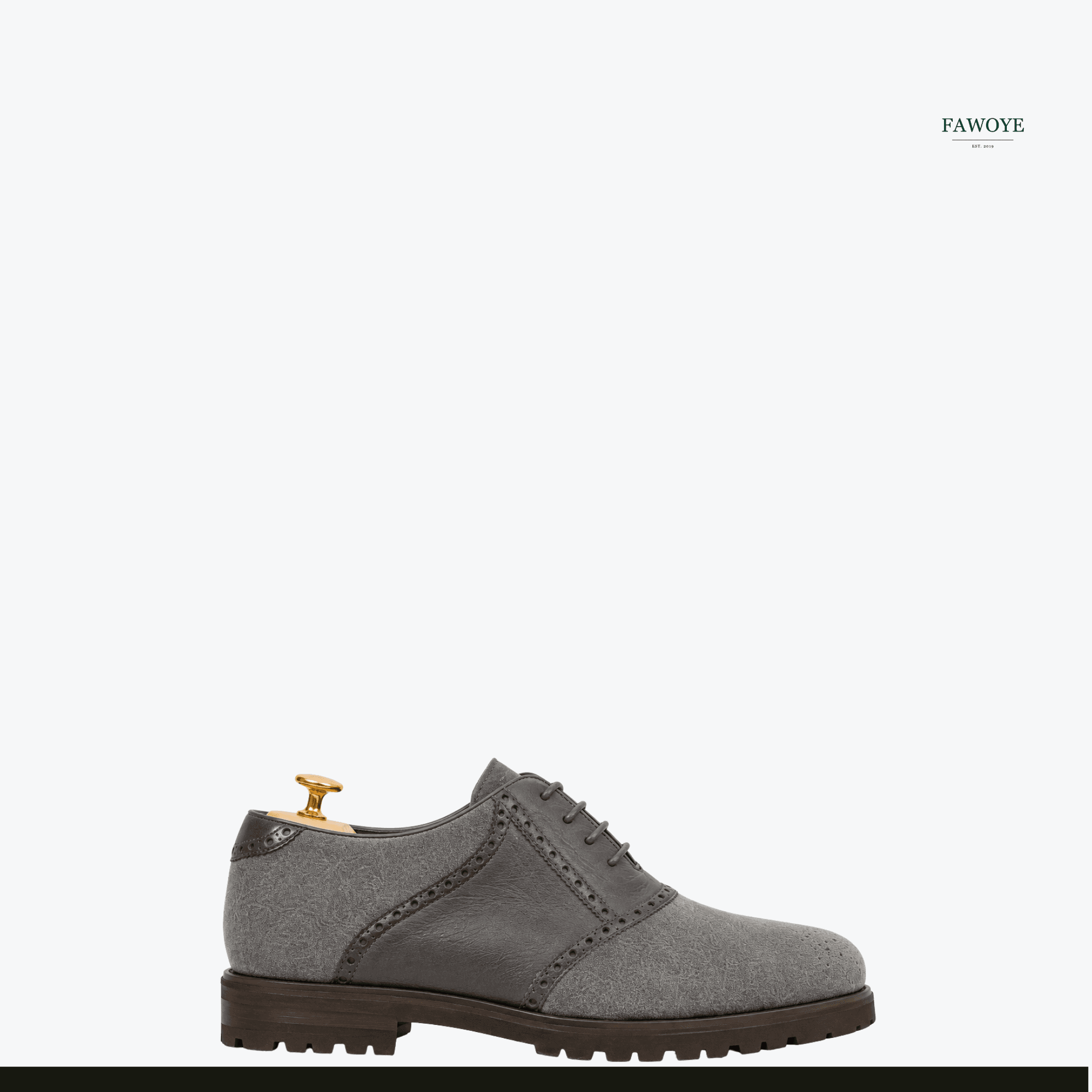
FAWOYE Wing Tail Brogue brings decorative character to formal dressing, while the Slip-On Venetian Loafer offers a less formal alternative. Learn the differences in Oxford versus Derby versus loafer.
The meeting went well. Nobody noticed Friday’s dust under the trouser hem. The Derby noticed.
The walk home
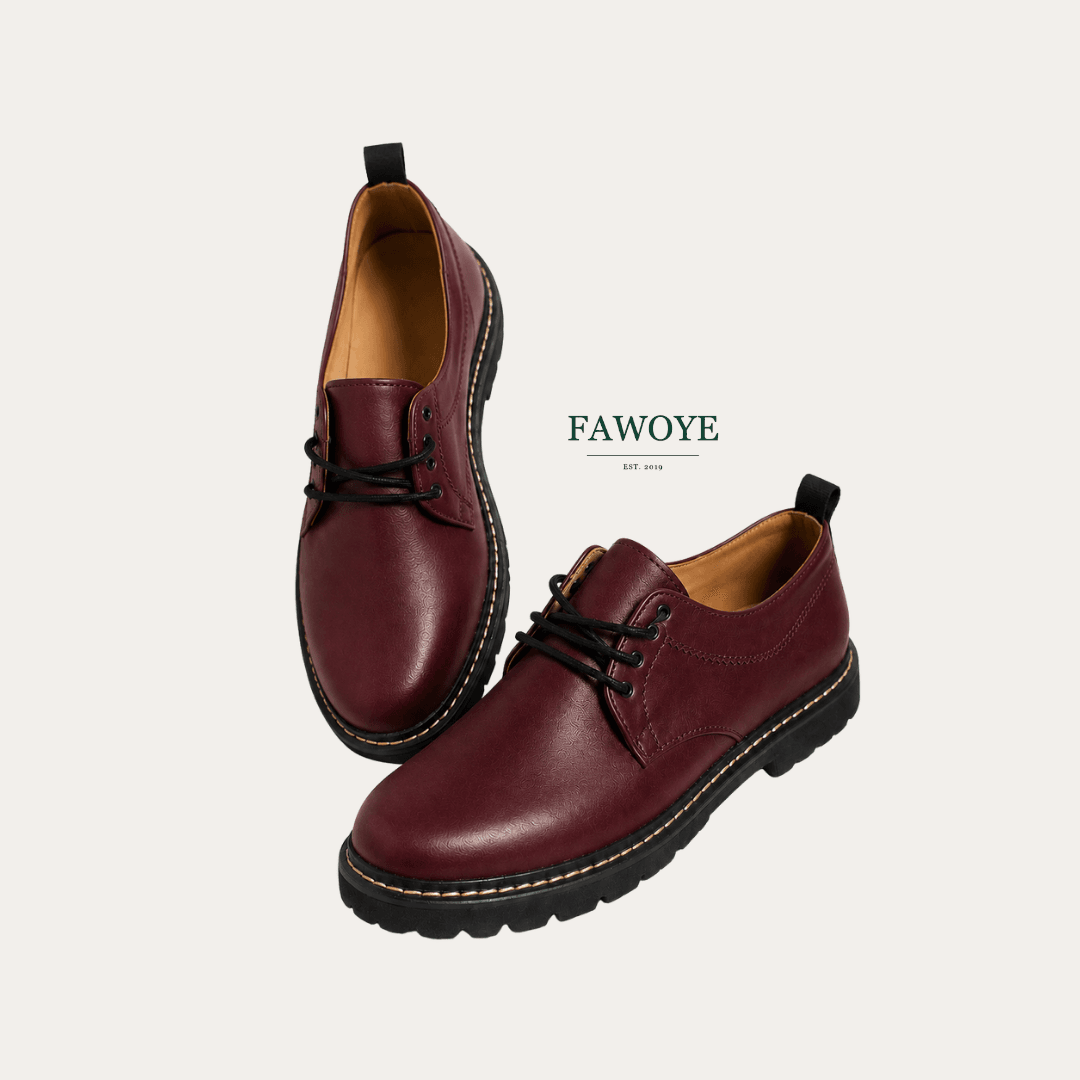
By evening, the man’s feet felt hot. He removed the shoes, placed them straight into a closed box and reached for his slippers.
“No,” thought the Derby. “Not the box.”
Shoes need time to air after wear. Leather absorbs warmth and moisture, particularly during a long Nigerian workday. Closing the pair away immediately can encourage odour and poor storage conditions.
The correct routine was simple:
- loosen the laces;
- wipe away dust and splashes;
- let the shoes air in shade;
- use shoe trees or clean paper;
- rotate them with another pair;
- store only when fully dry.
See how to store leather shoes in Nigeria.
Tuesday’s surprise
On Tuesday, the man finally chose another pair.
The Derby rested with shoe trees inside it. That evening, he brushed away the dust and checked the sole. By Wednesday, the leather had recovered and the shape looked cleaner.
The Derby did not really hate Mondays. It hated being treated as if one pair should survive every commute, meeting, wedding and rainy pavement without rest.
What the Derby wanted its owner to know
- Buy the correct size; pain is not a breaking-in strategy.
- Match the shoe to the day’s walking and weather.
- Rotate office shoes.
- Clean small marks before they settle.
- Dry naturally away from heat.
- Keep trouser hems tidy so the shoe and outfit work together.
- Choose quality based on fit and construction, not only shine.
For practical office options, read best office shoes for Nigerian men, how to style Derby shoes and comfortable shoes for standing all day.
FAQs
Are Derby shoes good for the office?
Yes. A clean leather Derby works with suits and tailored business clothing, while textured versions can suit business-casual outfits.
Can Derby shoes be worn with native wear?
They can work with fitted senator styles, but loafers or monk straps often create a smoother line beneath flowing garments.
Should leather shoes be worn every day?
Rotation is better. It gives each pair time to dry and recover between wears.
How should Derby shoes fit?
The heel should feel secure, toes should have natural room and the lacing should close comfortably without crushing the instep.