Your wedding shoes should do three things well: complete your outfit, feel comfortable through a long day and still look good when the photographs return. The best choice is not simply the most decorated pair. It is the pair whose shape, colour and level of formality support the clothes you have already chosen.
For many Nigerian traditional wedding looks, a refined loafer or monk strap is the strongest place to start. A loafer sits neatly under agbada and other flowing outfits because it has no visible laces competing with the fabric. A monk strap gives a groom a little more character while remaining polished. Brogues and other lace-ups can work beautifully with senator, fitted kaftan or a tailored trouser-led look.
The outfit should lead; the shoe should finish it.
Start with your complete outfit
Do not choose your wedding shoes in isolation. Put the full look together: fabric, embroidery, cap or hat, jewellery, walking stick if you are carrying one, and the trouser length. Then decide how much visual attention the shoe needs.
If the fabric is heavily embroidered or the accessories are already bold, a clean black, dark-brown or burgundy shoe often creates better balance. If the outfit is restrained, a two-tone shoe or a brogue with controlled detailing can become an intentional accent.
The toe shape matters too. A sleek rounded or softly almond-shaped toe usually photographs better with formal traditional wear than an extremely long or bulky shape. Most importantly, the trouser hem should fall cleanly without gathering heavily over the shoe.
Best shoe styles for a Nigerian groom
1. Loafers: the easiest partner for agbada
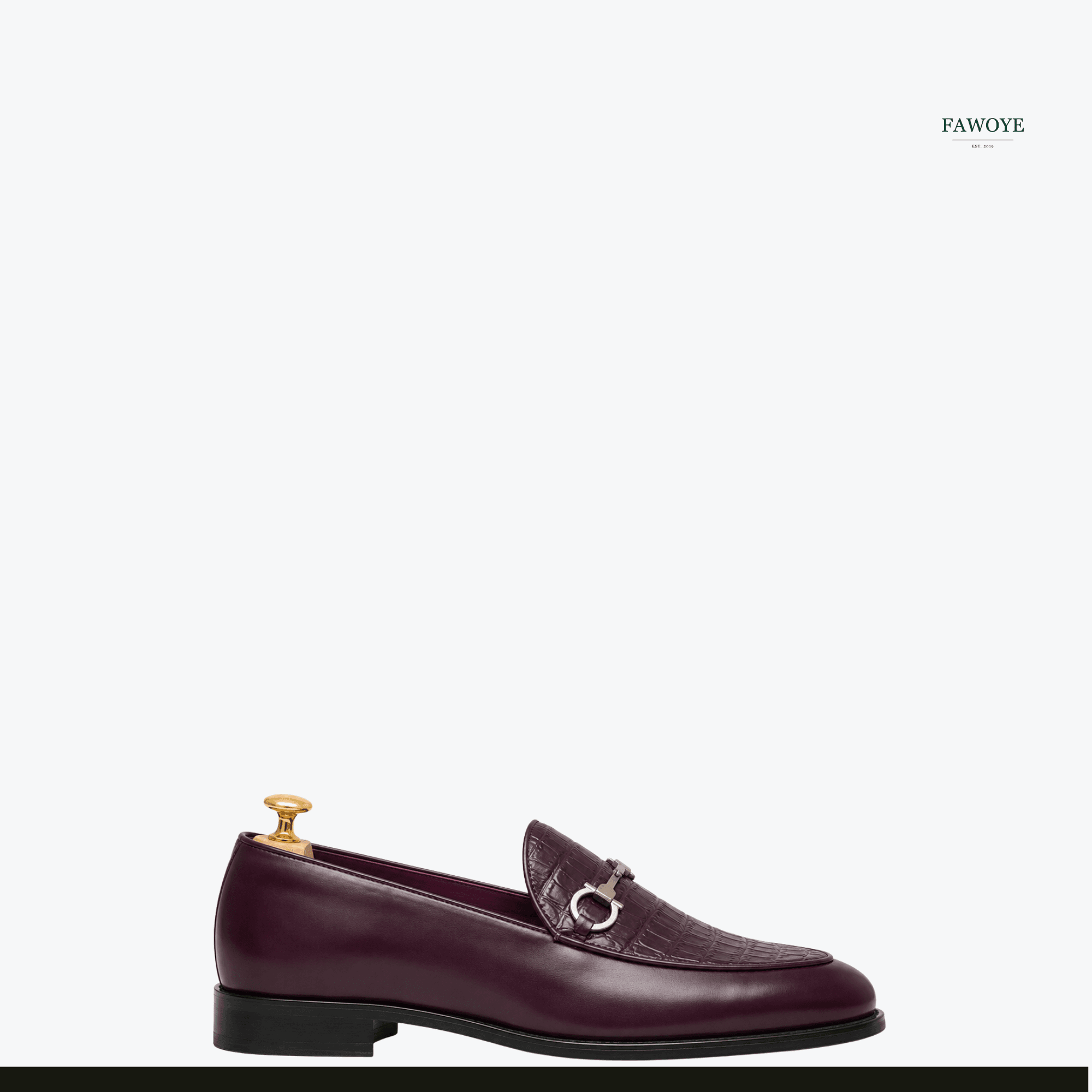
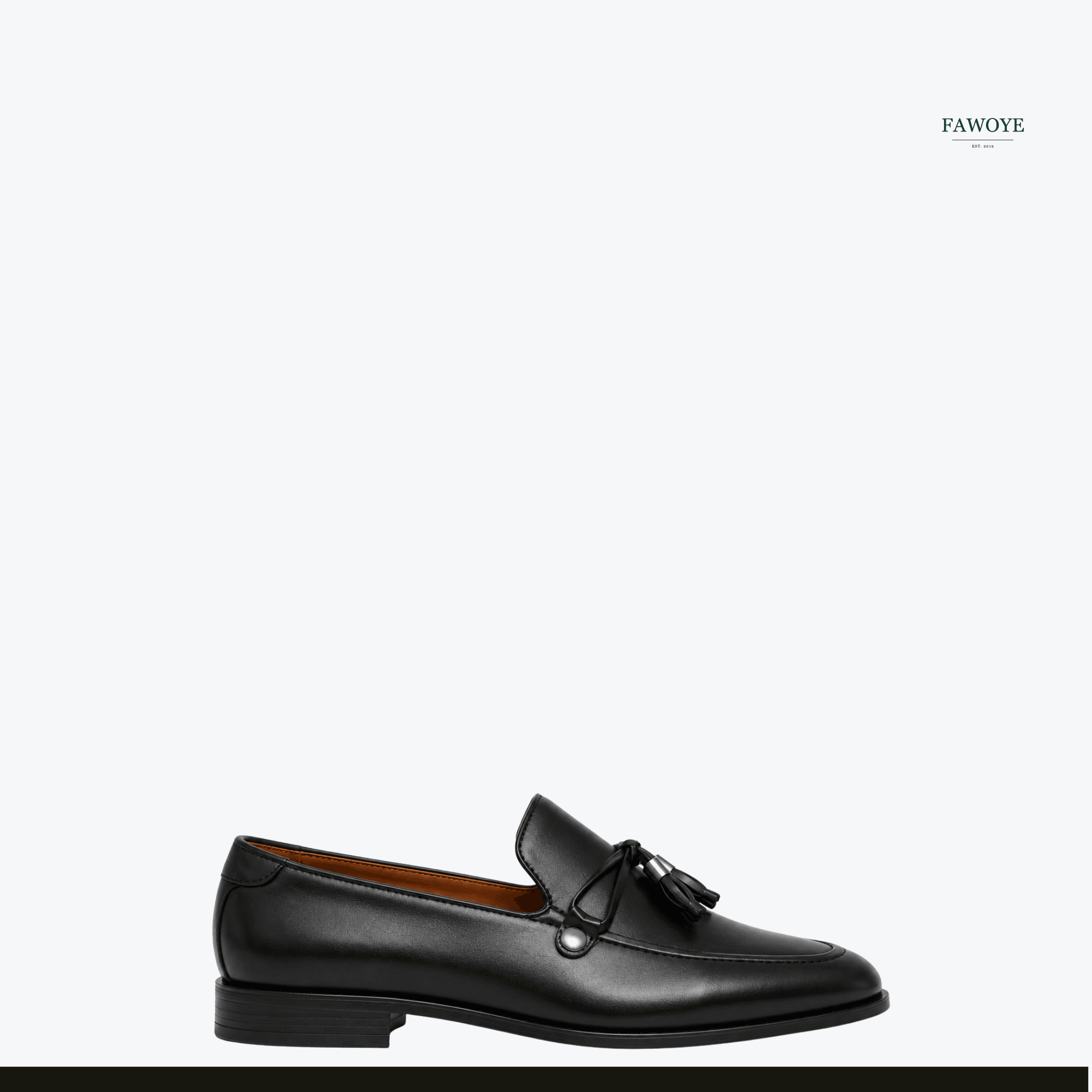
Loafers are a dependable choice for agbada because their clean upper remains elegant when the flowing garment moves and reveals the footwear. Penny loafers feel classic; horsebit loafers add a sharper dress detail; a two-tone loafer can lift a simple outfit when its colours are repeated elsewhere.
Consider the FAWOYE Penny Loafers for a quiet, versatile finish, the Horsebit Suede Loafers for a softer textured look, or the Two-Toned Penny Loafer when the outfit can carry more contrast.
Suede can look rich for an indoor or dry-weather celebration, but it needs more protection from rain, wet ground and drink spills than smooth leather. If the event falls in the rainy season, plan the route from the car and keep the pair away from puddles.
2. Monk straps: formal with a little personality
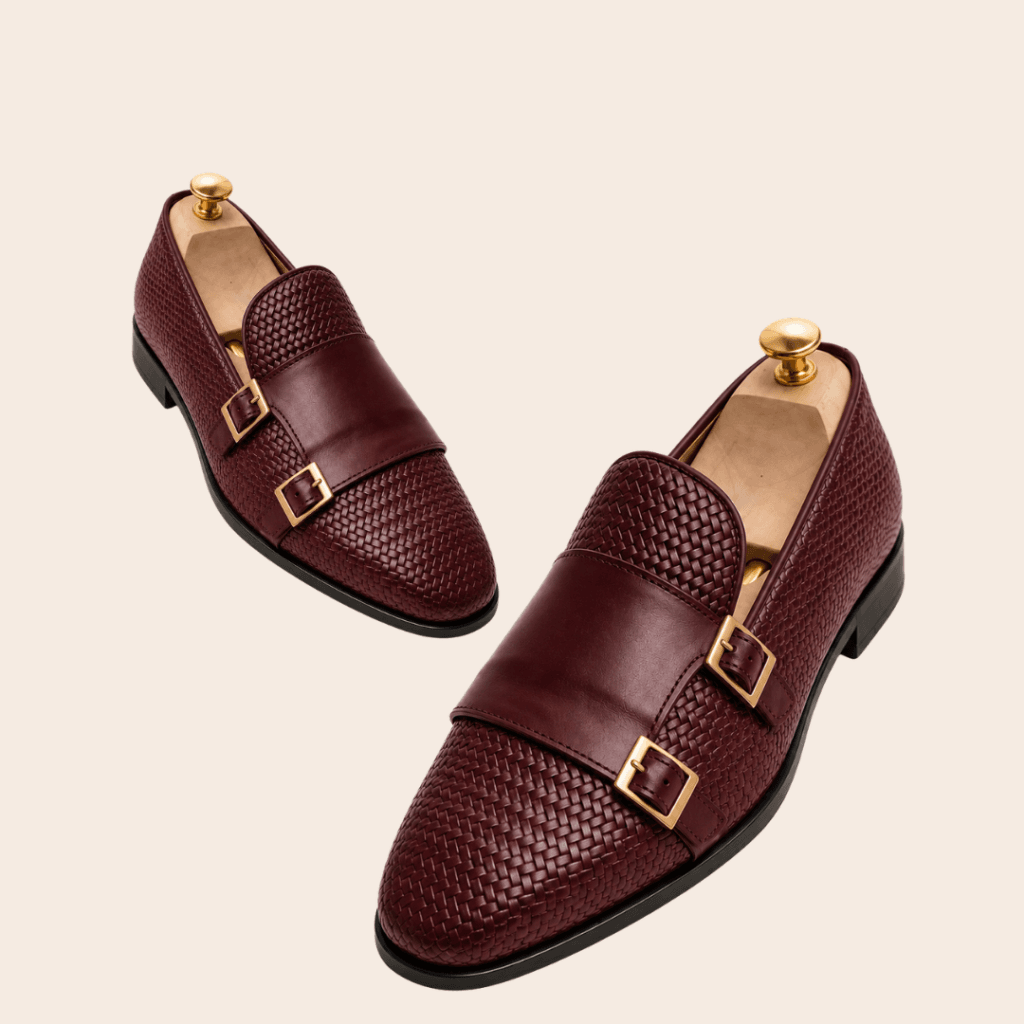
A monk strap fastens with a buckle instead of laces. It has enough structure for a groom without feeling like an ordinary office shoe. That makes it useful with senator wear, fitted kaftan and modern traditional looks.
The FAWOYE Two-Toned Monkstrap is especially suited to a groom who wants a visible detail at the foot. Let the shoe repeat one or two colours already present in the outfit rather than introducing an unrelated colour.
If you are deciding between styles, read Loafers vs Monk Straps for Native Wear and What Are Monk Strap Shoes?
3. Brogues and lace-ups: strong with fitted traditional wear
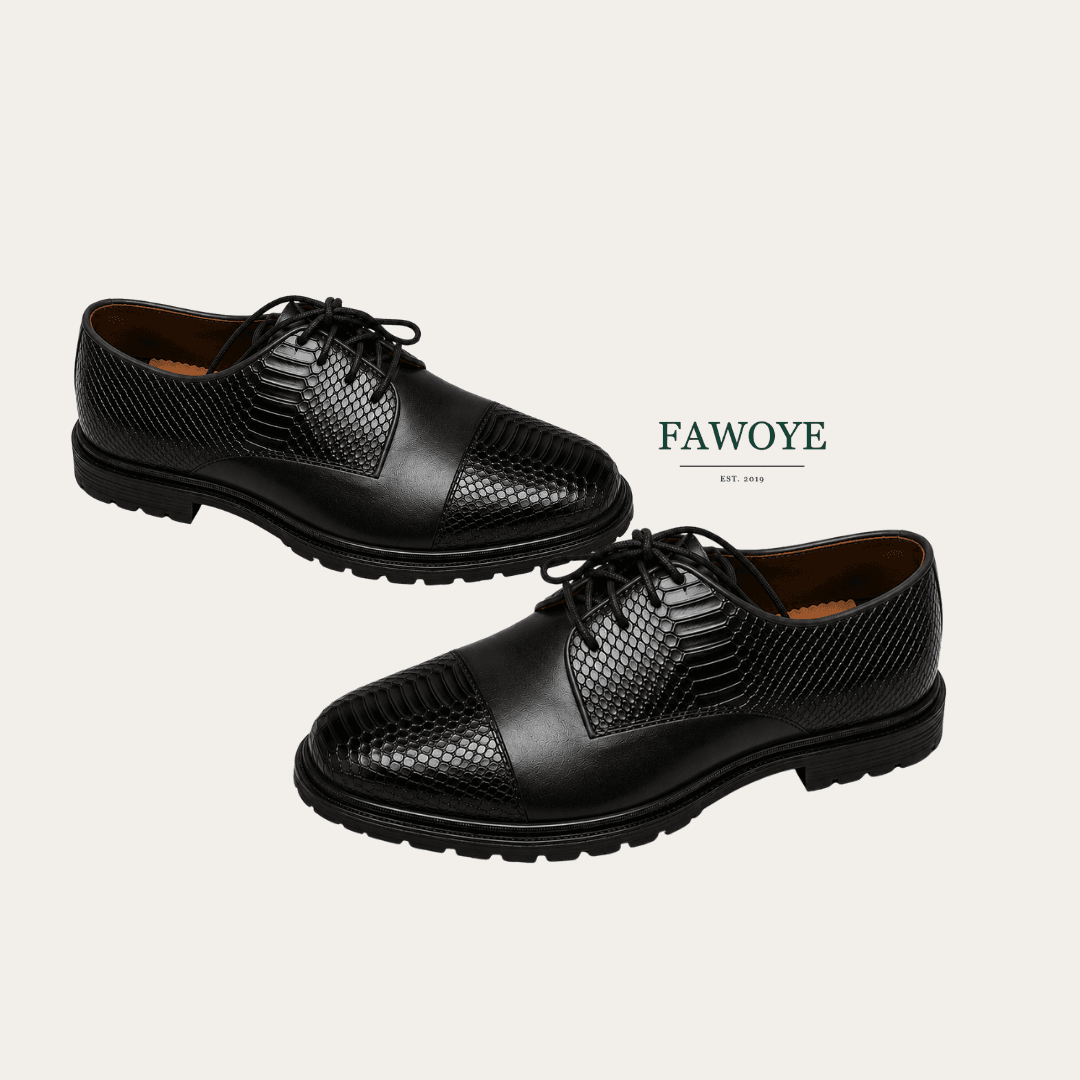
Brogues bring texture through their punched detailing. They work especially well when the groom’s outfit has a visible tailored trouser line, rather than a very wide outer layer that hides most of the shoe. The FAWOYE Wing Tail Brogue can finish senator, kaftan or a coordinated jacket-and-trouser look.
A Derby is another practical lace-up option because its open-lacing construction generally gives the top of the foot more room than a comparable Oxford. An Oxford is the more formal, closed-lacing choice. For a straightforward comparison, see Oxford vs Derby vs Loafer.
4. Refined native slippers: appropriate when the outfit calls for them
A well-made native slipper can be completely appropriate for traditional wear, particularly where it fits the groom’s cultural styling and the formality of the ceremony. The key is refinement: a secure fit, a clean shape, a well-finished upper and a sole that will not make you shuffle.
Avoid treating every traditional outfit as interchangeable. Isi Agu, Yoruba agbada, senator wear and northern ceremonial dress have distinct styling languages. Work with the attire chosen by you and your family, and use the shoe to support it rather than turning the outfit into a costume.
For more outfit-specific guidance, see What Shoes to Wear with Agbada, What Shoes Match Senator Wear and What Shoes to Wear with Kaftan.
How to choose the right colour
Black
Black is the safest formal option for black, charcoal, deep green, navy and many cool-toned outfits. It is also useful when the embroidery or accessories already carry enough detail.
Dark brown
Dark brown feels formal but slightly softer than black. It works well with cream, beige, brown, olive, warm navy and many earth-toned fabrics.
Tan or cognac
Tan brings contrast and warmth. It can work with cream, white, light blue and warm neutrals, but it attracts attention. Make sure that attention is intentional and that the belt or another small accessory does not fight it.
Burgundy
Burgundy is a strong alternative for cream, navy, grey, deep green and wine-toned accents. From a distance it reads as polished and dark; up close it adds character.
Two-tone
A two-tone shoe should connect to the outfit. Repeat at least one of its colours in the cap, embroidery, beads or another controlled detail. If the outfit already has several bold colours, a single-colour shoe will usually look more composed.
Should the bride and groom’s shoes match?
They do not need to be the same colour or design. Coordination is enough. The couple may repeat a shared tone, material mood or level of formality without wearing identical footwear.
For example, a groom in dark-brown loafers and a bride in a warm neutral sandal can look connected without appearing forced. The aim is harmony in the full photographs, not a literal matching set unless that is what you both want.
Comfort is part of the wedding look
A traditional wedding can involve standing, greeting relatives, dancing, changing outfits and moving between surfaces. A painful shoe will eventually show in your posture and expression.
Before the wedding:
- Confirm your EU size from an accurate foot measurement.
- Mention if one foot is larger, your feet are wide, or you have a high instep.
- Try the shoes with the socks or no-show socks you intend to wear.
- Test them indoors on a clean surface.
- Check that the heel stays secure and the toes are not compressed.
- Keep a clean backup pair nearby if the venue has wet ground or uneven outdoor areas.
Do not buy a painfully tight pair expecting it to transform on the wedding morning. A good shoe may soften with wear, but the basic length, width and shape must suit your foot from the beginning. Our guide on the shoe break-in myth explains what is normal and what is not.
Planning a made-to-order wedding pair
A made-to-order pair gives you room to choose a design, colour and available material that suit the outfit. Because the shoe is being made rather than lifted from a shelf, order early enough for measurement confirmation, production, delivery and a calm fit check.
Share clear photographs of the full outfit in natural light. Say whether the event will be indoors or outdoors and whether it falls in the rainy season. If you want suede, smooth leather or a mixed-material finish, confirm what is available for the selected design instead of assuming that every material suits every construction.
The final pair should still be wearable after the wedding. A versatile black, dark-brown or burgundy shoe can move into work, dinner, church and future celebrations long after the ceremony.
Final recommendation
Choose a sleek loafer for agbada and other flowing formal looks; a monk strap for fitted traditional wear with personality; or a brogue or Derby when the tailored trouser line is an important part of the outfit. Match the shoe to the fabric’s tone, keep the details in balance and prioritise a secure fit.
The best groom shoe is not the loudest pair in the room. It is the one that looks as though it belonged with your outfit from the start.
Frequently asked questions
What shoes should a groom wear with agbada?
A sleek loafer is usually the simplest formal choice because it sits cleanly beneath the trouser and does not add visible laces. A refined native slipper can also work when it suits the cultural styling and ceremony.
Can a groom wear monk straps with traditional attire?
Yes. Monk straps work particularly well with senator wear, fitted kaftan and contemporary traditional looks. Choose a restrained colour or connect a two-tone design to colours already in the outfit.
Should wedding shoes be black or brown?
Black is more formal and works easily with dark or cool-toned outfits. Brown is softer and pairs naturally with cream, beige, olive and warm-toned fabrics. Let the outfit decide.
Can a Nigerian groom wear suede shoes?
Yes, particularly for indoor or dry-weather events. Suede needs protection from rain, wet ground and stains, so smooth leather may be the more practical option during the rainy season.
How early should a groom order made-to-order shoes?
Order early enough to allow for measurement confirmation, production, delivery and an indoor fit check. Confirm the current production estimate directly before relying on a date, especially during busy wedding periods.
Must the groom’s shoes match the bride’s?
No. The couple’s footwear can coordinate through colour family, finish or formality without being identical.