“Handmade” and “factory-made” describe production approaches, not automatic guarantees of quality. A poorly made handmade shoe can disappoint, while a well-managed factory can produce consistent footwear. The buyer should examine the actual pair and service.
Production
Handmade or handcrafted footwear involves substantial work by craftspeople, often in smaller batches. Factory-made footwear uses standardised processes and machinery at larger scale. Many shoes combine hand and machine processes, so honest descriptions matter.
Choice and customisation
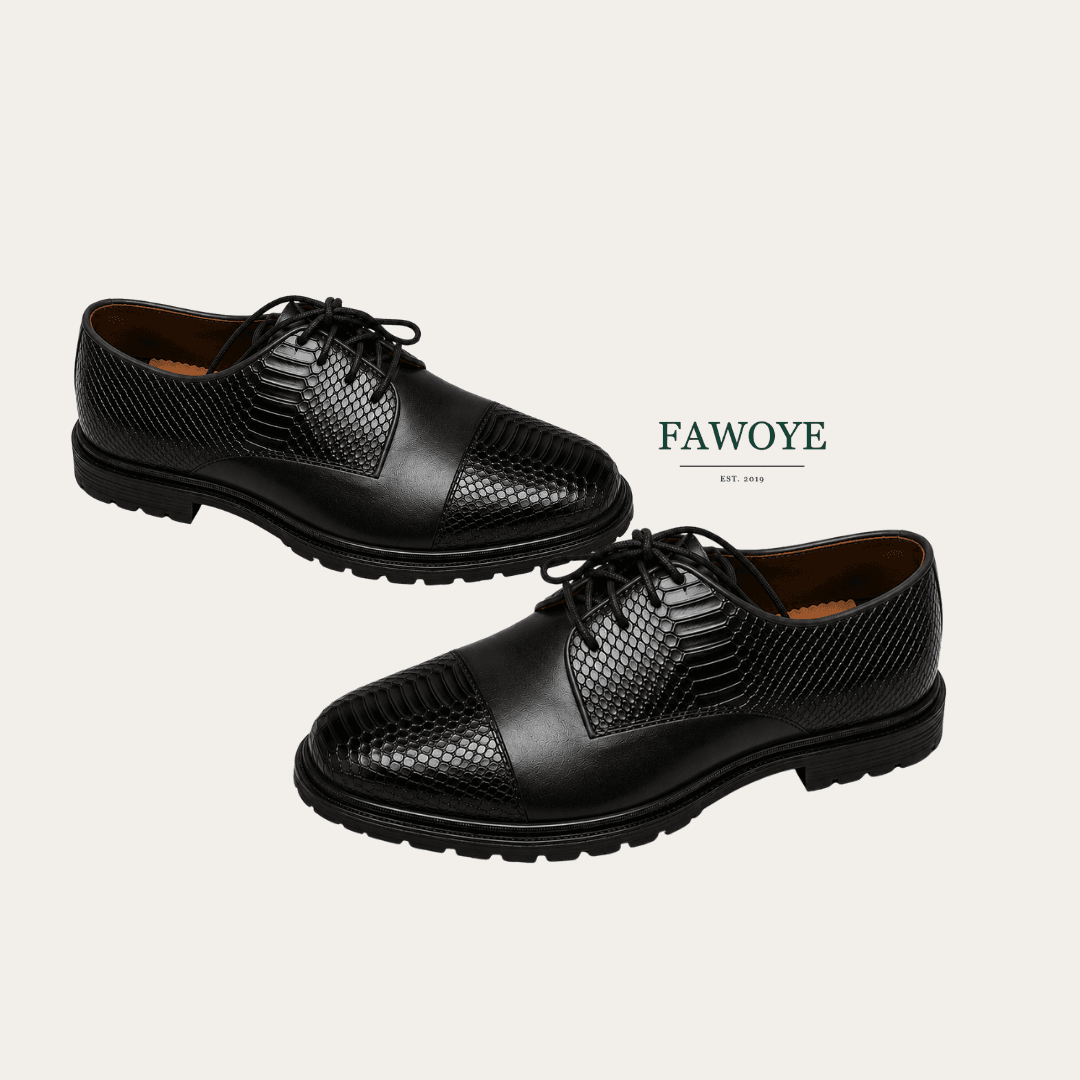
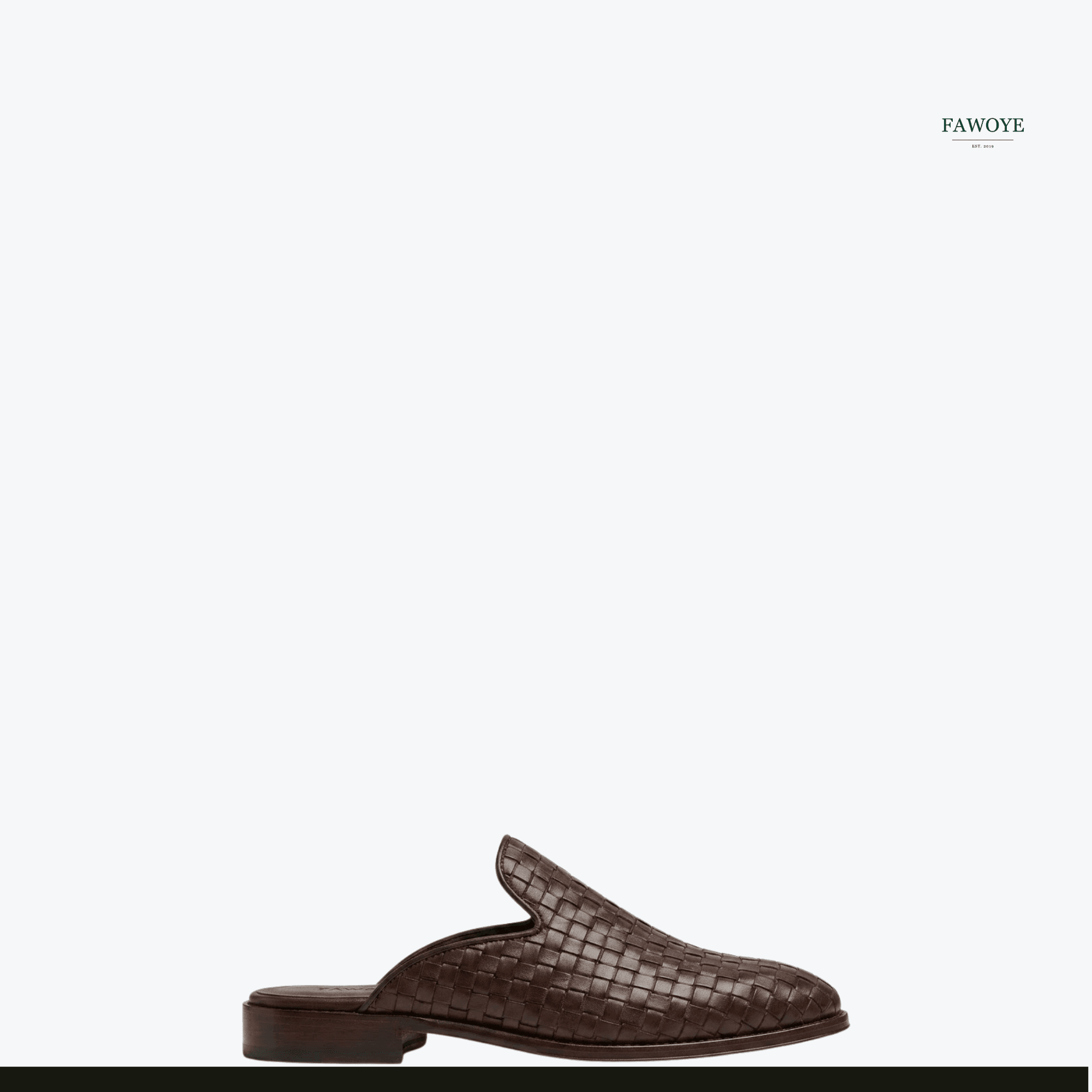
Made-to-order brands can confirm size, colour and available materials after the customer chooses a design. FAWOYE offers footwear across leather, suede, woven and mixed materials where suitable. The displayed image may represent one available combination, not every possible option.
Read what made-to-order means.
Fit
A standard factory size is designed to suit a broad market. Made-to-order service can allow better discussion of EU size and design-specific fit, though it is not automatically full bespoke shoemaking.
Confirm your EU size and the design-specific fit before ordering.
Materials
Do not assume every handmade shoe is leather. Confirm whether the upper is smooth leather, suede, woven, denim or mixed. Care instructions must match the actual material.
What to inspect
- stitching and symmetry;
- edges and finishing;
- sole attachment;
- buckle or hardware placement;
- material accuracy;
- size guidance;
- return and adjustment policies;
- communication before production.
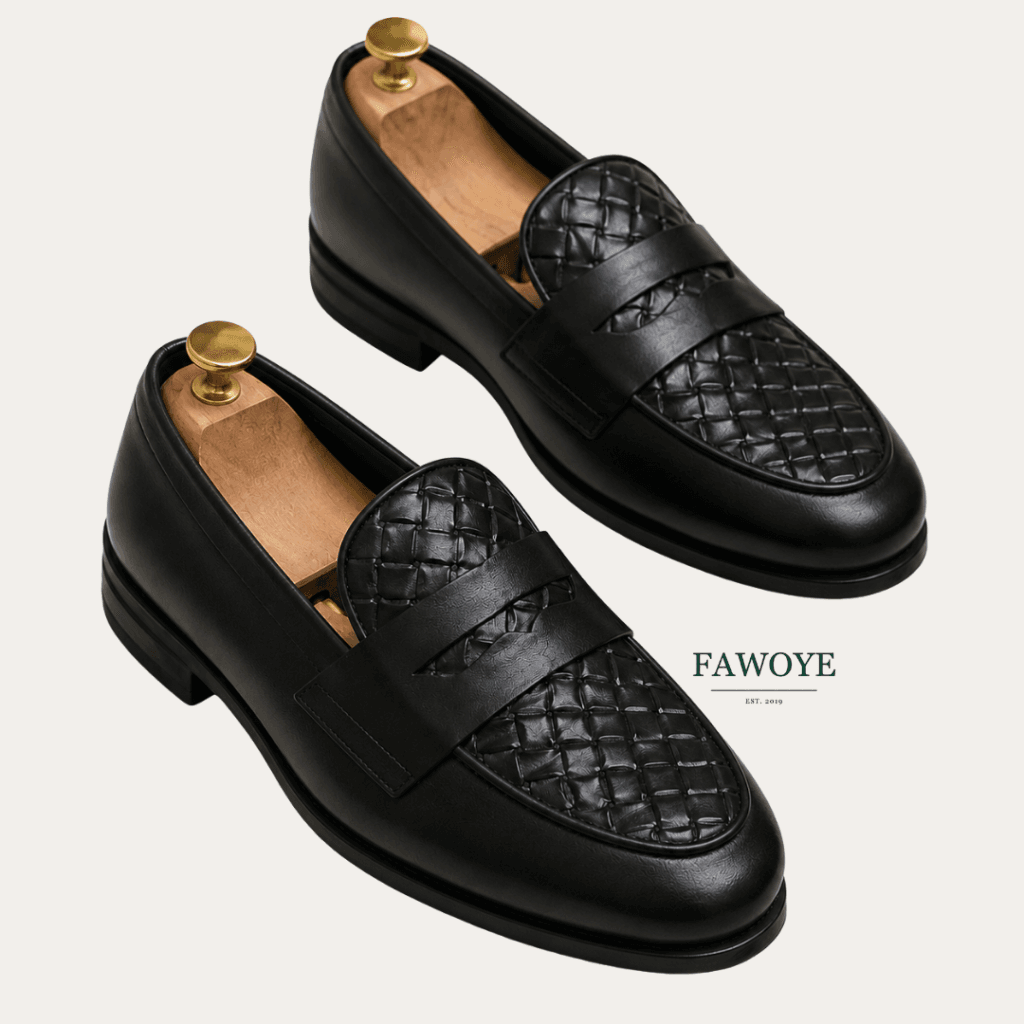
Examples from FAWOYE include Penny Loafers, Two Toned Monkstrap, Horsebit Suede Loafers and Wing Tail Brogue.
Read best handmade shoes in Nigeria and how to tell genuine leather from fake.
FAQs
Are handmade shoes always better?
No. Quality depends on material, construction, fit and finishing.
Are made-to-order and bespoke the same?
No. Made-to-order usually adapts an existing design; bespoke typically begins with a pattern or last created for one customer.
Are factory shoes more consistent?
Standardised production can improve consistency, though quality still varies between factories.
Why choose handmade footwear?
Customers may value craft, smaller-batch production, material choice and direct communication.