Made to order means your pair enters production after you place and confirm your order. It is not simply taken from a large pile of finished shoes in a warehouse. The design already exists, but the pair is prepared according to the available size, colour and material choices confirmed for that design.
At FAWOYE, made to order gives Nigerian customers more room to choose a pair that suits their wardrobe. It also means we must be clear about what can be changed, what cannot be changed and how long production will take.
Made to order is not the same as ready to wear
A ready-to-wear shoe is already produced in a standard size and colour. If it is in stock, it can usually be dispatched quickly. A made-to-order shoe is produced after confirmation, so it needs production time before delivery.
This difference matters when you are ordering for a wedding, birthday, convocation, office resumption or another fixed date. Do not place the order at the last minute and assume production works like same-day retail. Share the event date during the conversation and allow enough room for production, quality checks and delivery.
Made to order is not automatically bespoke
People often use custom, made to order and bespoke as if they mean exactly the same thing.
- Ready to wear: an already finished pair in a standard specification.
- Made to order: an existing design produced after purchase using confirmed available options.
- Bespoke: a more extensive service that may involve an individual last, pattern development and multiple fittings.
FAWOYE’s service is made to order unless a product page or direct confirmation clearly says otherwise. Choosing a different available colour or material does not automatically turn an existing design into a fully bespoke shoe.
How the FAWOYE process works
1. Choose the design
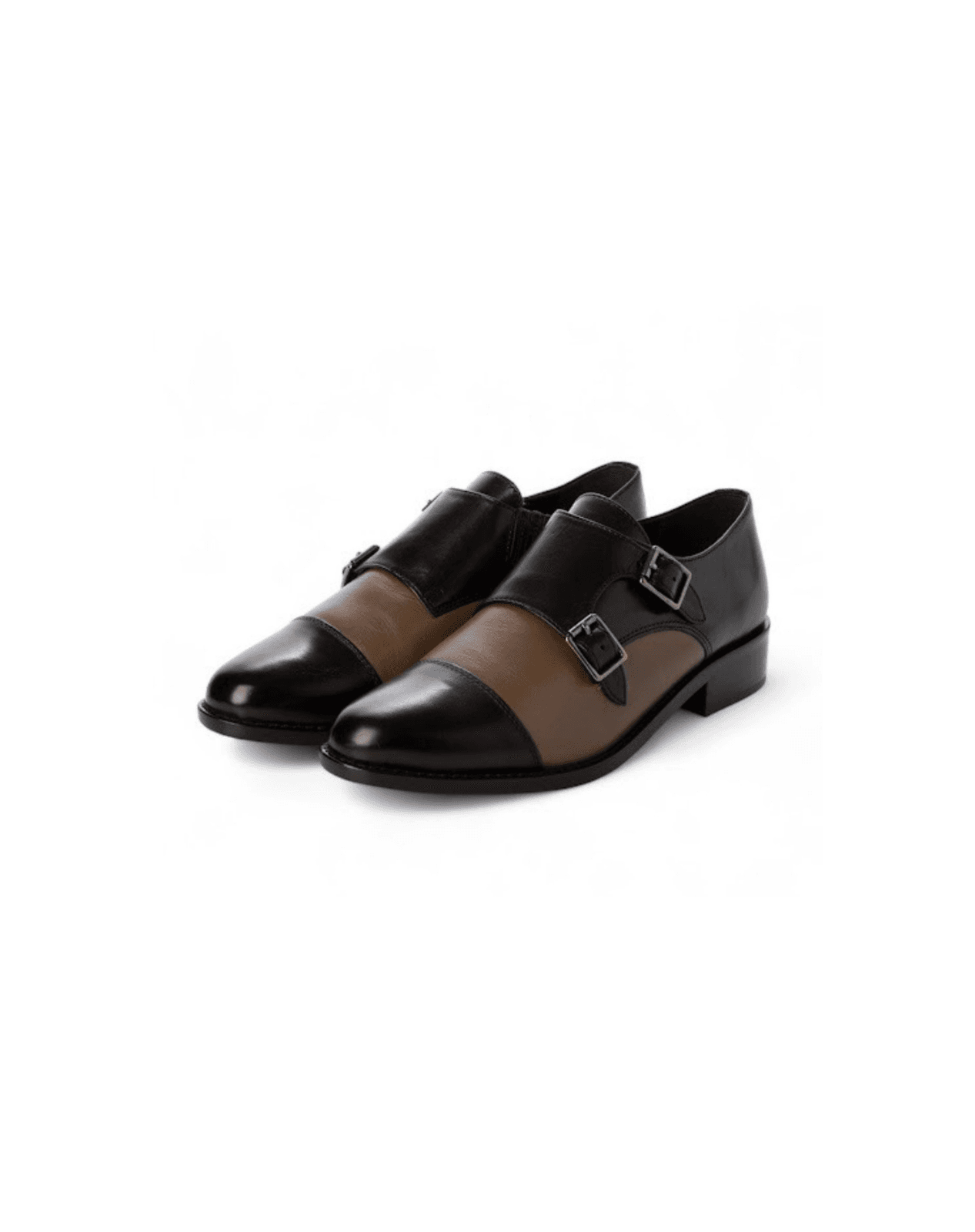
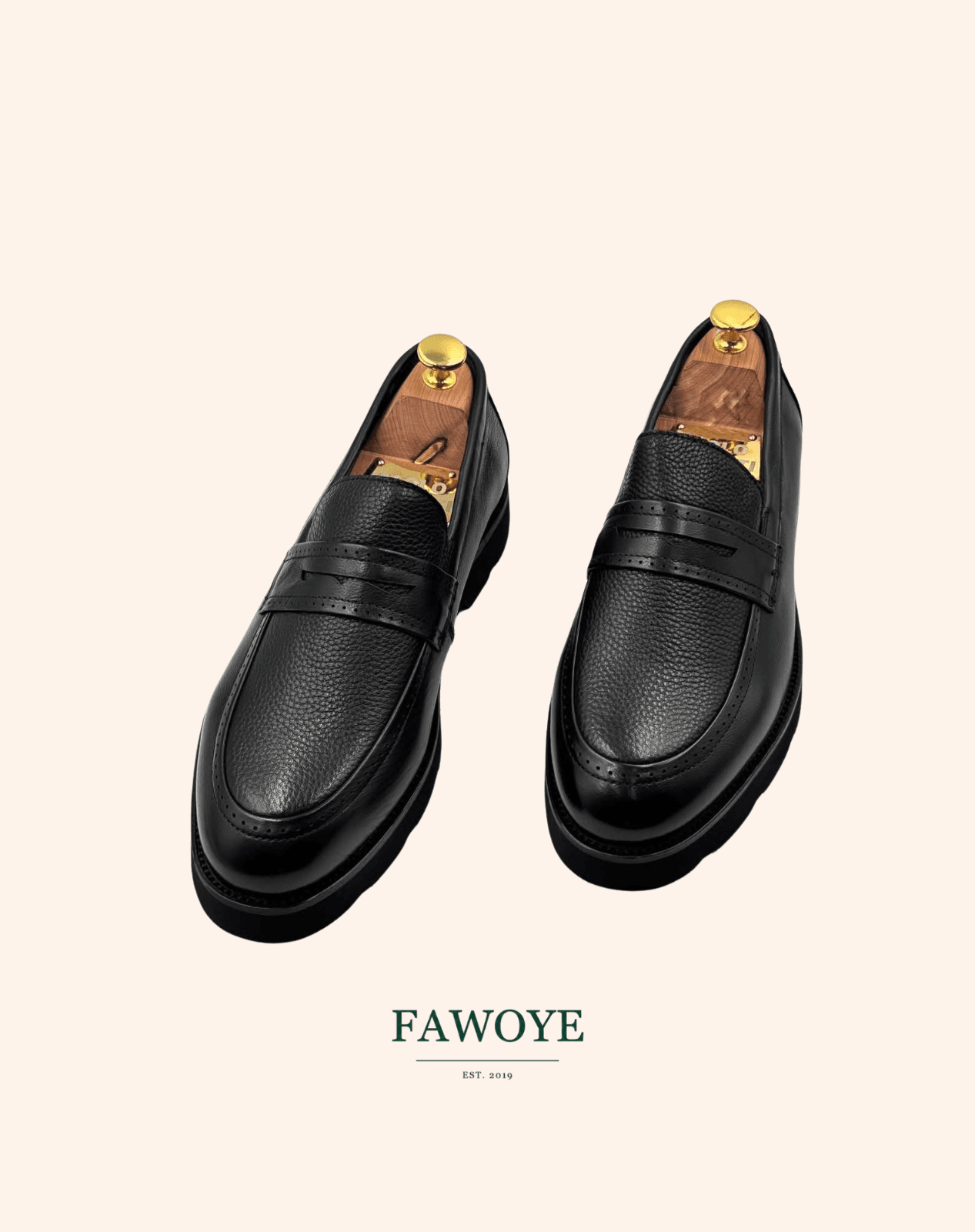
Begin with the shape and construction you actually want. A Penny Loafer will still be a penny loafer; changing the colour does not make it a monk strap. Likewise, the Two Toned Monkstrap keeps its buckle-led identity even when an available material combination changes.

2. Confirm your EU size
FAWOYE uses EU sizing. Give the size you normally wear in a well-fitting closed shoe and answer any fit questions honestly. If your feet differ significantly, you have a high instep or you are between sizes, mention it before production begins.
Use our size guide and remember that different designs can feel different even when the size number is the same.
3. Confirm available colour and material
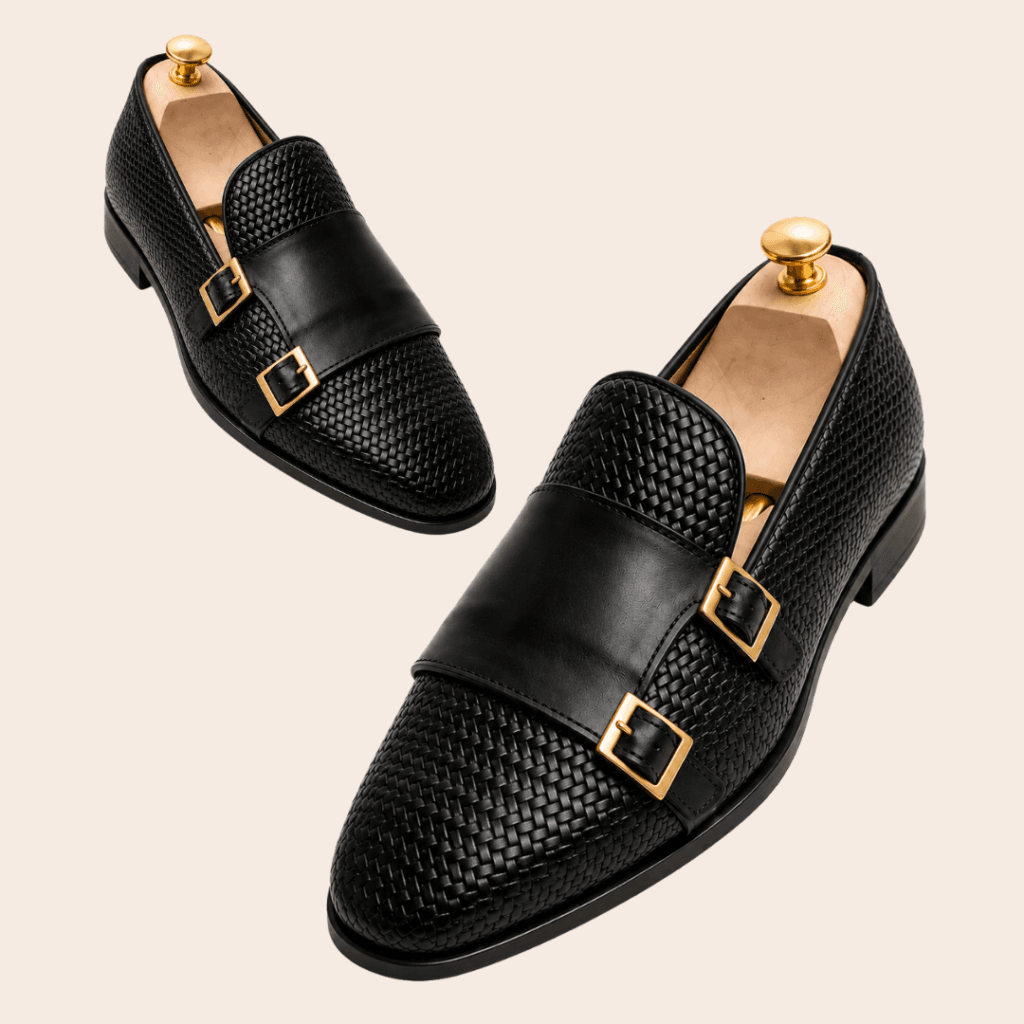
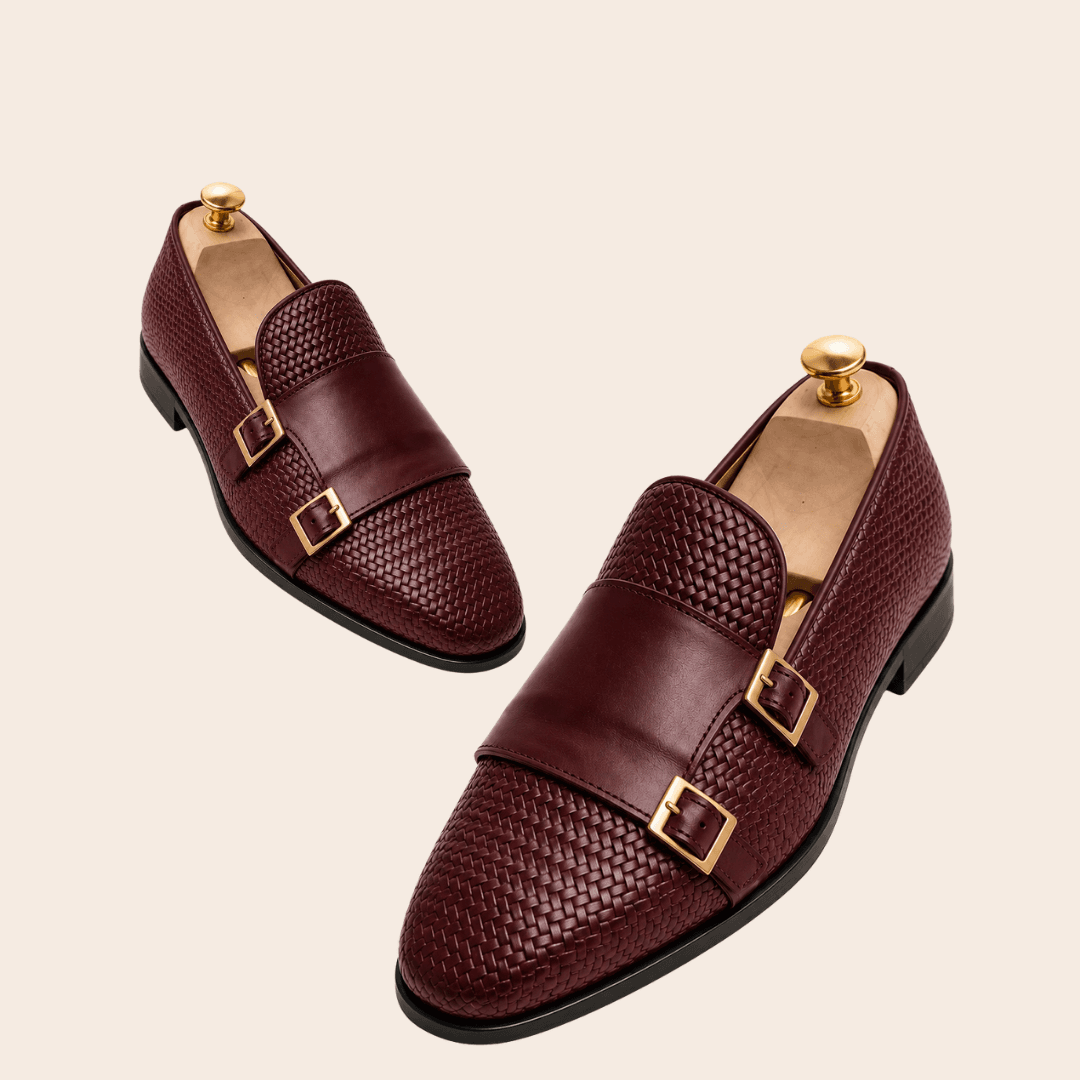
A design may be possible in smooth leather, suede, woven material, denim or a mixed construction, depending on the shoe. Availability must be confirmed before production. The photograph on a product page shows a real design reference, but it does not promise that every imagined material will work with that construction.
Material also changes care. Suede should not be treated with ordinary leather cream, and denim or woven sections need care suited to fabric. Read how to tell genuine leather from fake.
4. Production and quality checks begin
Once the order details are confirmed, craftspeople can cut, assemble, finish and inspect the pair. Handmade does not mean rushed or unstructured. The goal is a clean result that follows the confirmed order.
Our guide to handmade versus factory-made shoes explains why production method alone is not a guarantee; material, finishing, fit and quality control still matter.
5. Dispatch follows completion
Delivery time is separate from production time. Interstate dispatch also depends on the chosen route and location. Customers ordering for an event should plan for both stages.
What can usually be personalised?
Depending on the design and current material availability, the selectable details may include:
- EU size;
- colour;
- smooth leather, suede or another suitable material;
- a permitted two-tone combination;
- some finishing choices confirmed by the team.
Structural changes are different. Changing the toe shape, sole construction, heel height, pattern or fastening may require a new design rather than a simple variation. Ask before paying; do not assume.
What customers should confirm before ordering
Keep the final order details in writing:
- product or design name;
- EU size;
- colour;
- exact material;
- quantity;
- production estimate;
- delivery location;
- date the pair is needed;
- any approved adjustment.
This is especially important for group, wedding or corporate orders where several pairs may look similar.
Why choose made-to-order footwear?
Made to order makes sense when you value choice and are willing to plan ahead. It can help you build a wardrobe around colours you genuinely wear instead of buying whatever happens to be available that day. It also supports smaller-batch craftsmanship and clearer conversations about the actual pair.
For a versatile rotation, consider Penny Loafers, Horsebit Suede Loafers, Wing Tail Brogue or the Two Toned Penny Loafer.
Before ordering for an occasion
For weddings, confirm the outfit fabric and trouser length before choosing the shoe. For office wear, think about how often the colour will repeat across suits and native wear. For rainy season, plan material-appropriate care and avoid assuming any dress shoe is waterproof. During harmattan, brush away dust regularly and store clean, dry pairs with airflow.
Related reading:
- Best handmade shoes in Nigeria
- What shoes to wear with agbada
- Best office shoes for Nigerian men
- Should shoes hurt while breaking in?
Frequently Asked Questions
Does made to order mean the shoe is completely custom designed?
Not necessarily. It normally means an existing design is produced after your order using confirmed available options. A new pattern or individual last would be a different level of service.
Can I choose suede instead of leather?
Only where the design and current material availability allow it. Confirm the exact material before production.
Are made-to-order shoes returnable?
The applicable policy depends on the confirmed order and the reason for return. Review the current store terms and raise any fit or production concern promptly.
How early should I order for a wedding?
Order early enough to cover production, quality checks and delivery. Share the fixed event date before confirmation rather than relying on a last-minute request.
Does made to order guarantee a perfect fit?
No process can replace accurate sizing information. Made to order allows clearer confirmation, but customers should still provide the correct EU size and disclose relevant fit concerns.