

“Handmade” and “factory-made” describe production approaches, not automatic guarantees of quality. A poorly made handmade shoe can disappoint, while a well-managed factory can produce consistent footwear. The buyer should examine the actual pair and service.
Production
Handmade or handcrafted footwear involves substantial work by craftspeople, often in smaller batches. Factory-made footwear uses standardised processes and machinery at larger scale. Many shoes combine hand and machine processes, so honest descriptions matter.
Choice and customisation
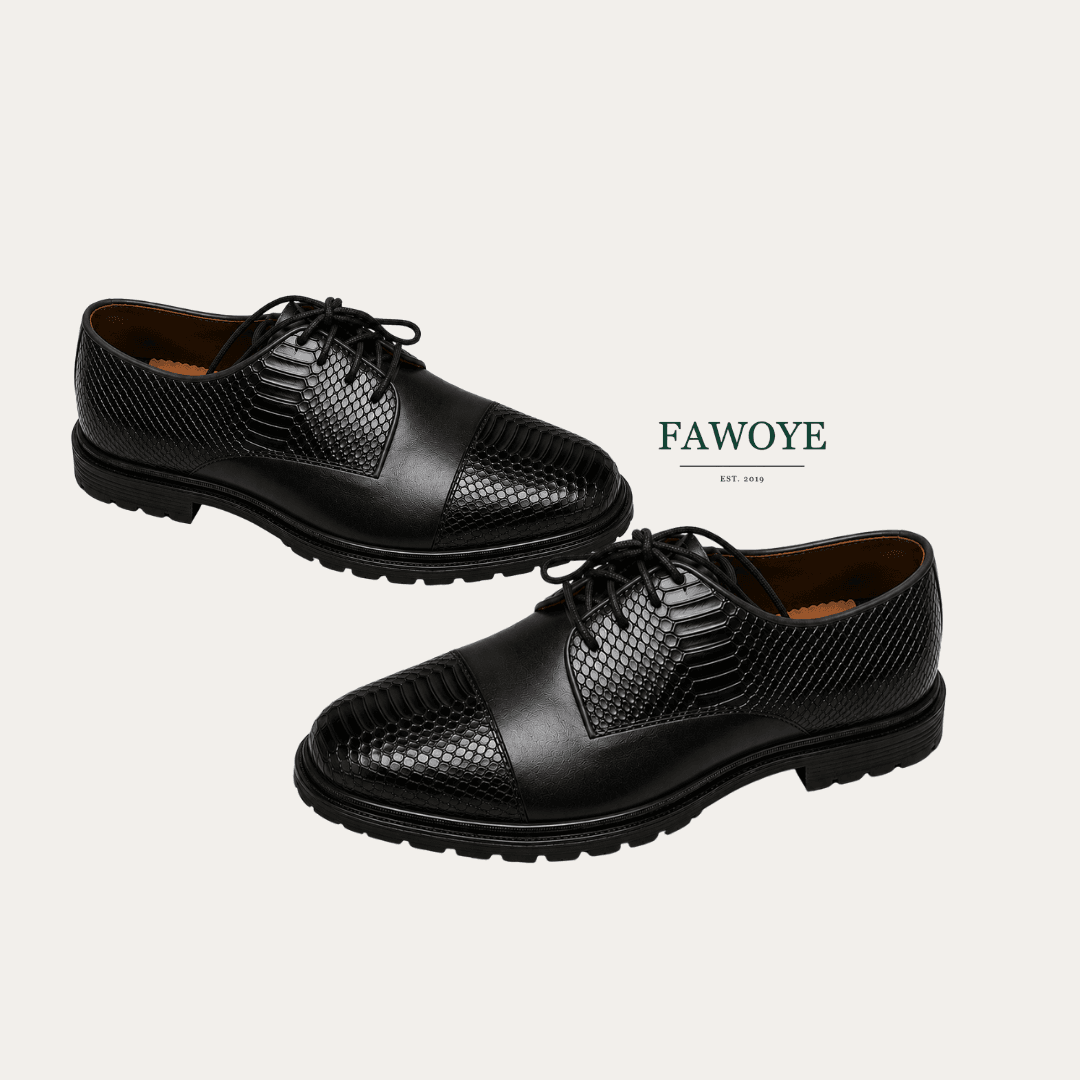
Made-to-order brands can confirm size, colour and available materials after the customer chooses a design. FAWOYE offers footwear across leather, suede, woven and mixed materials where suitable. The displayed image may represent one available combination, not every possible option.
Read what made-to-order means.
Fit
A standard factory size is designed to suit a broad market. Made-to-order service can allow better discussion of EU size and design-specific fit, though it is not automatically full bespoke shoemaking.
Confirm your EU size and the design-specific fit before ordering.
Materials
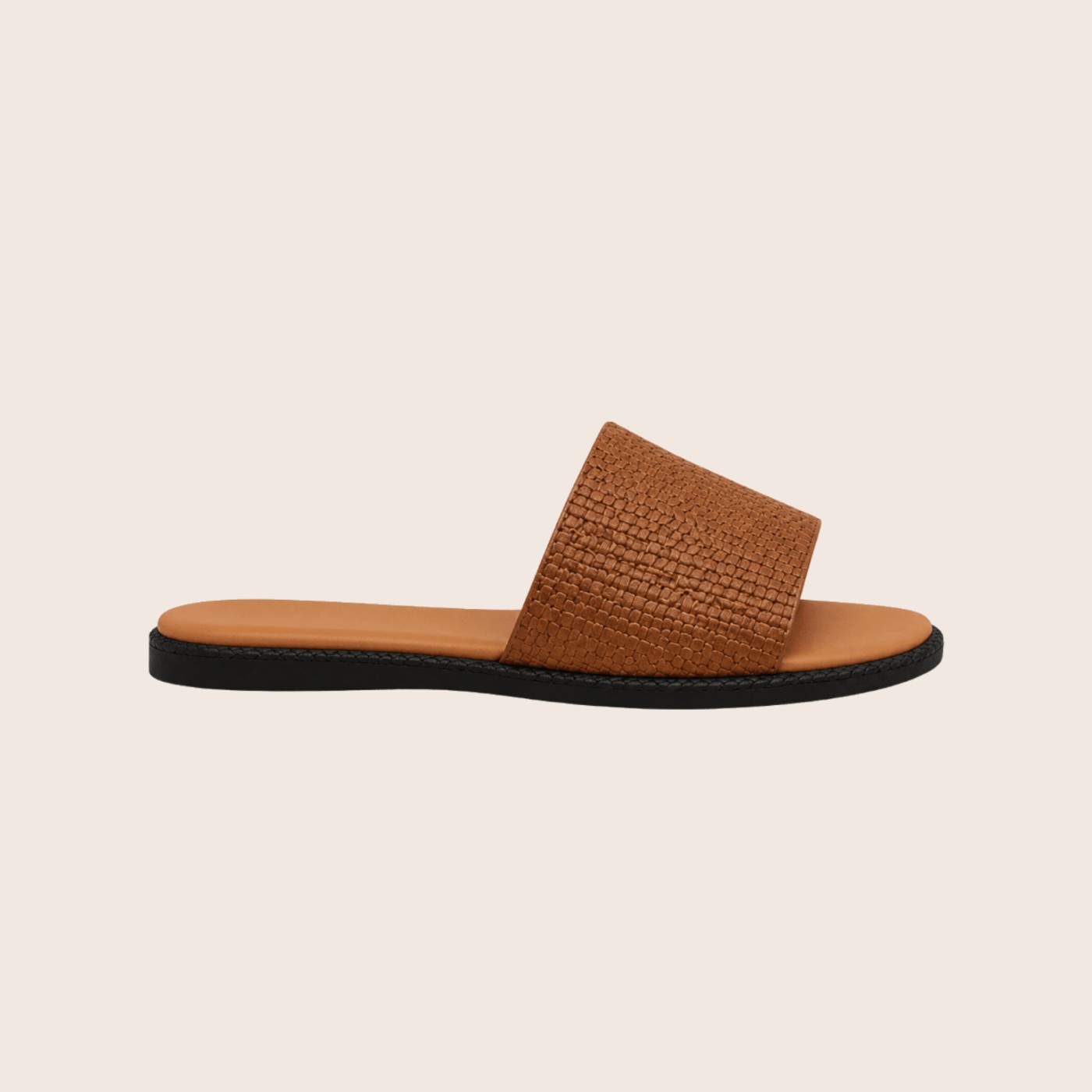
Do not assume every handmade shoe is leather. Confirm whether the upper is smooth leather, suede, woven, denim or mixed. Care instructions must match the actual material.
What to inspect
- stitching and symmetry;
- edges and finishing;
- sole attachment;
- buckle or hardware placement;
- material accuracy;
- size guidance;
- return and adjustment policies;
- communication before production.
Examples from FAWOYE include Penny Loafers, Two Toned Monkstrap, Horsebit Suede Loafers and Wing Tail Brogue.
Read best handmade shoes in Nigeria and how to tell genuine leather from fake.

Handmade vs factory-made at a glance
| Handmade, made to order | Factory-made | |
|---|---|---|
| When it is made | After you order | In advance, in bulk |
| Choice | Colour and size confirmed with you; some details can be requested | Whatever is in stock |
| Waiting time | About a week | Same day if in stock |
| Consistency | Small natural differences between pairs | Very uniform |
| Repairs | Usually easier, the maker knows the pair | Depends on the construction |
Price and value
Factory shoes are often cheaper because thousands of pairs share the same setup cost. Handmade pairs cost more per pair, but you are paying for material you can ask about and work you can inspect. In Nigeria, handmade leather loafers from an established workshop typically start around ₦50,000, with lace-ups such as derbies and oxfords from about ₦65,000.
A fair way to compare is cost per wear. A well-made leather pair that you rotate and care for can stay in use for years. A cheaper pair with a synthetic upper may crack or peel within a season, especially in heat.
How long does each last?
Lifespan depends more on material and care than on the label. Real leather uppers, a leather lining and a properly attached sole matter most. Rest your shoes a day between wears, keep them dry and condition the leather every few weeks. Our guide on how to store leather shoes in Nigeria covers humidity and harmattan dust.
When each makes sense
Choose factory-made when you need a pair today, or for hard-wearing trainers and work boots. Choose handmade when you want a specific colour, a dress shoe for an event, or a pair made in your size instead of the nearest size on the shelf. If the event has a date, order early. FAWOYE pairs are made in Ilorin and delivered anywhere in Nigeria in seven working days.
Ready to look? Browse handmade loafers, derbies, oxfords and monk straps, or see how made to order works.
FAQs
Are handmade shoes always better?
No. Quality depends on material, construction, fit and finishing.
Are made-to-order and bespoke the same?
No. Made-to-order usually adapts an existing design; bespoke typically begins with a pattern or last created for one customer.
Are factory shoes more consistent?
Standardised production can improve consistency, though quality still varies between factories.
Why choose handmade footwear?
Customers may value craft, smaller-batch production, material choice and direct communication.