If you have ever stood in front of the mirror wondering what shoes to wear with agbada, you are not alone. Walk into any owambe and you can usually tell who got dressed in a hurry. The agbada is immaculate, the cap sits just right, the fabric catches the light the way good lace should. Then your eye travels down and the shoes spoil the whole story. Wrong shape, wrong colour, sometimes a trainer hiding under all that flow.
Agbada is one of the most commanding things a Nigerian man can wear. It deserves footwear that finishes the look rather than fights it. This is a practical guide to what actually works, whether you are dressing for an owambe, a traditional wedding, or native to the office.
Part of our Style Guides — the complete FAWOYE library on what to wear on your feet for every Nigerian occasion.
The one rule: let the agbada lead
Agbada already carries volume, movement and drama. Your shoes are not there to compete with it. They ground it. That means a clean silhouette, real leather, and a colour that sits quietly under the outfit instead of shouting over it. Get that right and almost any well made shoe will work. Get it wrong and even an expensive pair looks off.
The most common mistake is reaching for a heavy, chunky shoe. Agbada flows, so your footwear should feel refined and slightly slim, not blocky. The second mistake is dusty or scuffed leather, which undercuts a formal outfit no matter how good the fabric is.
Skip the laces, as a rule
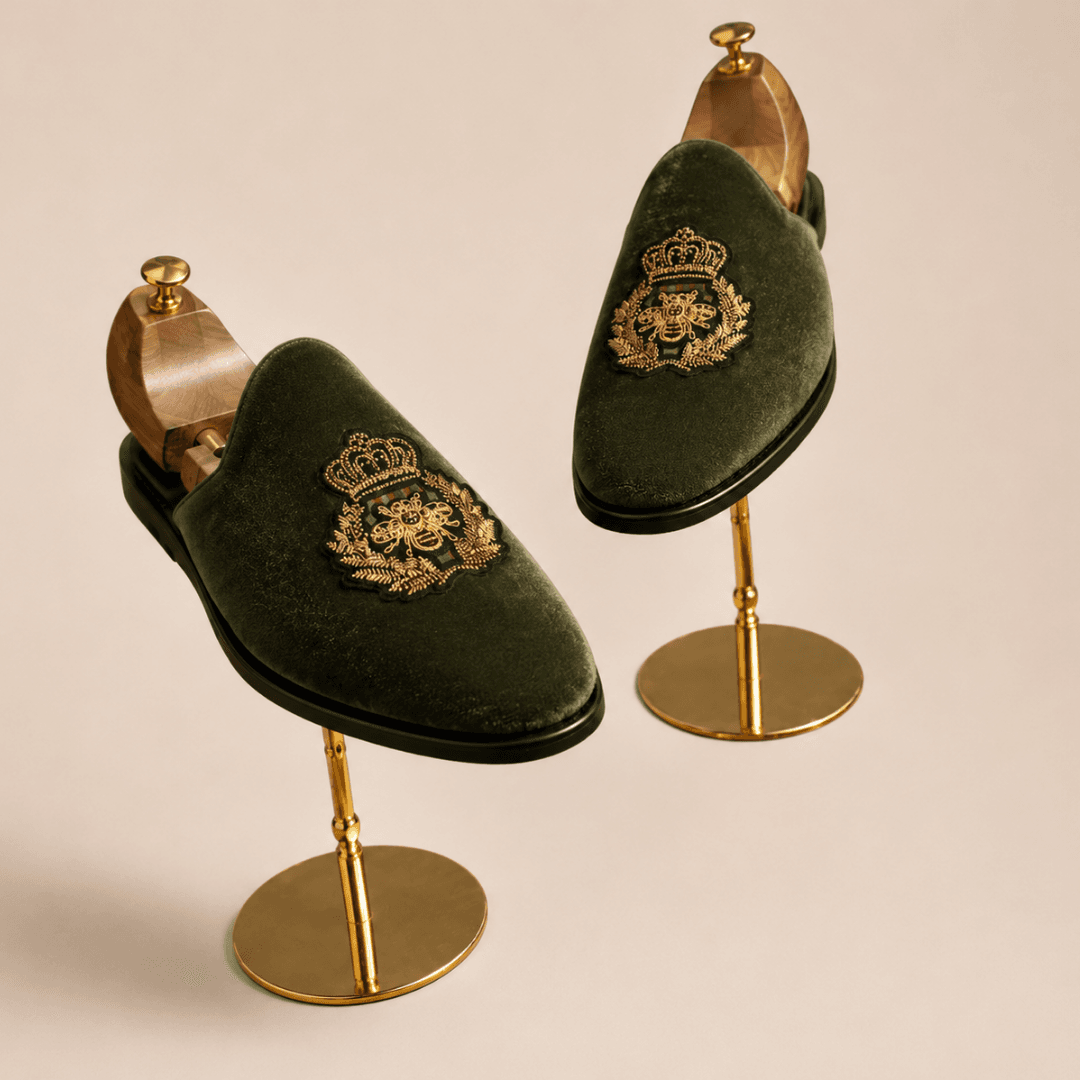
Here is the piece most men miss. Traditional native wear pairs best with shoes you slip into, not lace up. A loafer, a monk strap, a clean leather sandal, a mule. There is a practical reason and a style reason. Practically, you are on and off your feet all day at a ceremony, and slip-ons make that easy. Stylistically, the uninterrupted line of a slip-on sits more quietly under all that fabric than a busy row of laces.
That does not make a lace-up wrong for every occasion, and we will come to the exception. But if you remember one thing, let it be this: for agbada, reach for a slip-on first.
What shoes to wear with agbada: the best options
There is no single answer to the best shoes to wear with agbada, because it depends on the formality of the day. These four cover almost every occasion.
1. Loafers and horsebit mules
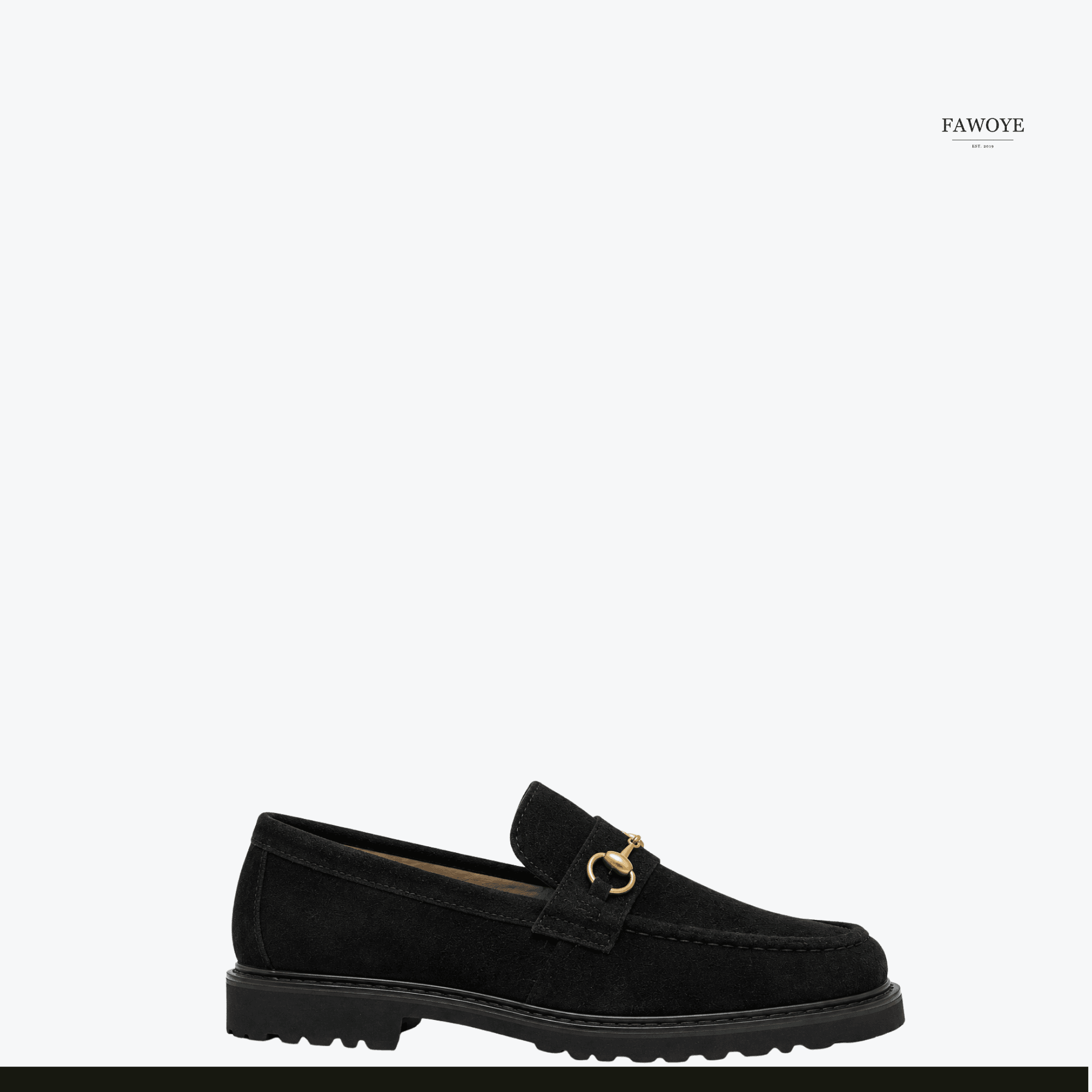
For most owambe occasions, a clean leather loafer or a backless mule is the easiest win. It slips on, it photographs well, and the low profile lets the agbada do the talking. A croc-texture horsebit loafer reads quietly expensive and pairs with almost any fabric colour. If the day is hot and long, a horsebit mule gives you the same polish with your heel free. For more on wearing loafers three ways, see our guide on how to style men’s loafers.
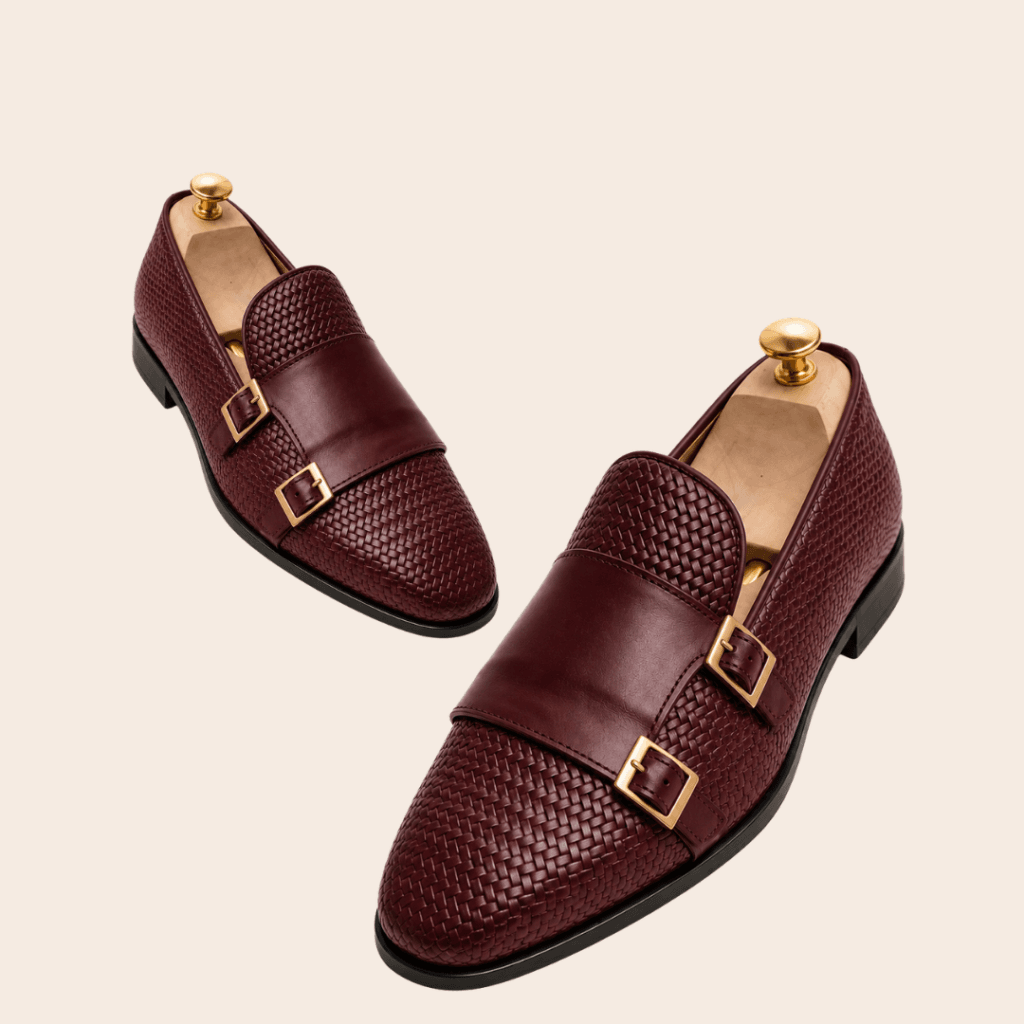
2. Monk straps
A monk strap is the most underrated shoe for native wear. No laces, but more structure and presence than a plain loafer, which suits the formality of agbada. A double monk strap in brown or oxblood brings character without tipping into flashy. It is the shoe to reach for when you want to look considered rather than casual. For a direct comparison of the two slip-ons, see loafers vs monk straps for native wear.
3. Leather sandals and palm slippers for relaxed native
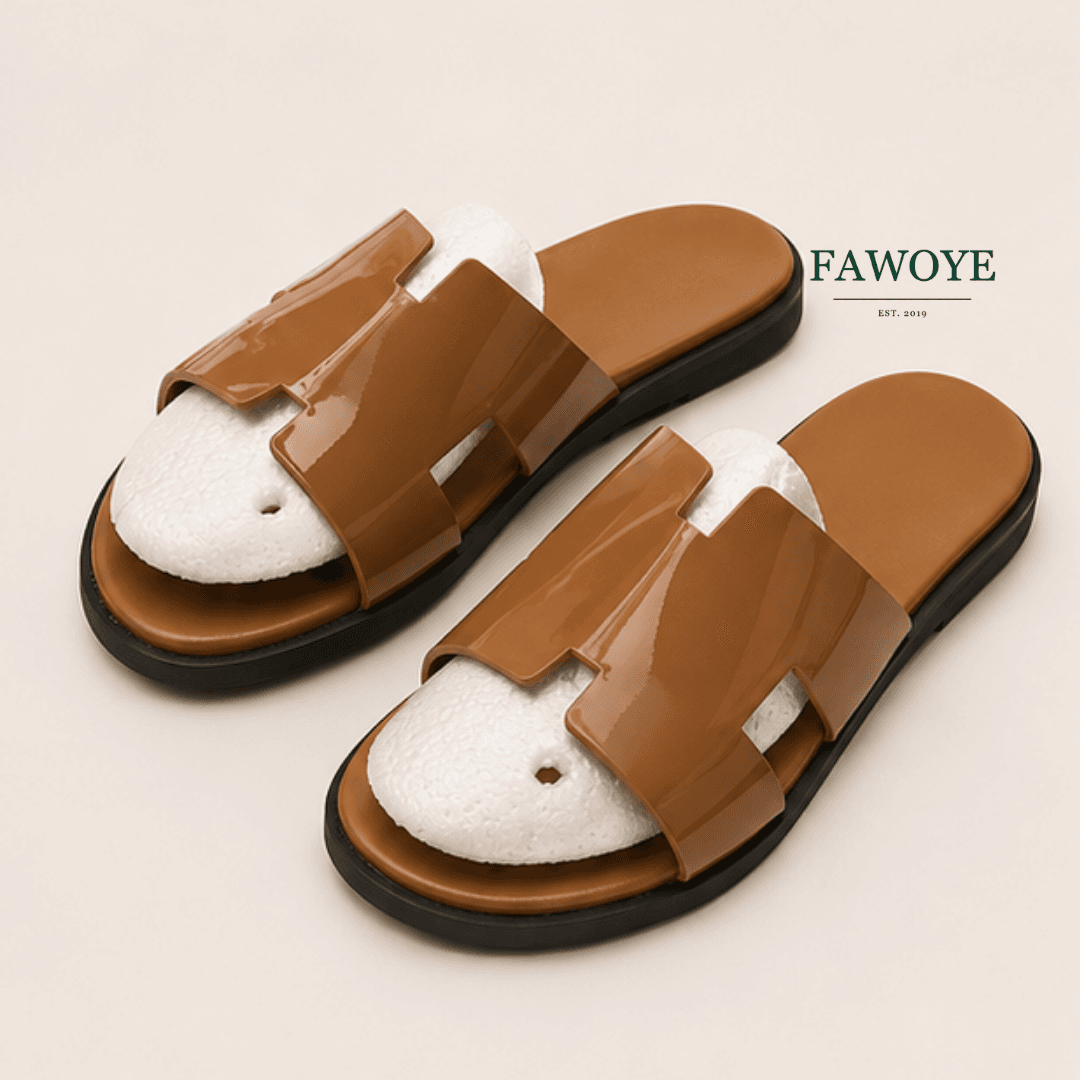
Not every native look needs a closed shoe. For a more relaxed agbada or a casual kaftan, a well made leather sandal or a palm slipper is both comfortable and correct, especially in the heat. The trick is quality. A structured pair like the Odogwu Special Edition looks intentional and distinctly Nigerian. A flimsy sandal looks like an afterthought.
4. Oxfords, the formal exception
When the occasion is serious and modern, a wedding high table, a chieftaincy, a corporate event in native, some men still prefer a lace-up, and that is a fair call. If you go that way, keep it sleek and understated. A near-black laced-up oxford gives the cleanest, most formal finish and pairs beautifully with white, cream or pastel agbada. Just know you are choosing formality over the easy, traditional slip-on. Both are correct. It comes down to the room.
What about a senator or kaftan?
The same rules apply, only slightly more relaxed. A senator is less voluminous than full agbada, so it carries a slim loafer or a monk strap effortlessly, and it is comfortable with a smart leather sandal for less formal days. A half shoe also works well here, giving you a covered, structured look that stays light on the foot. Keep the colour disciplined and the leather clean, and a senator will always look sharp. For a dedicated breakdown, see our guides on what shoes match senator wear and what shoes to wear with a kaftan.
Colours that actually work
- Tan or caramel is the most versatile. It flatters white, cream, sky blue and most earth tones.
- Dark brown or chocolate suits richer, deeper agbada colours like burgundy, forest green and navy.
- Near-black is your formal default for ceremonies and anything after dark.
As a rule, match the warmth of your shoe to the warmth of your fabric. Warm fabrics love tan and brown. Cooler, darker fabrics can carry black. When in doubt, a mid-brown leather is the safest choice and works with the widest range of native colours.
What to avoid
- Trainers or sneakers under full agbada. It rarely lands the way people hope.
- Heavy, square, chunky soles that weigh the outfit down.
- Worn, scuffed or dusty leather. Agbada is formal by nature, so dull shoes undercut it.
- Loud, glossy patent, unless the whole look is built around it.
- Overly pointed, fashion-forward toes that fight the relaxed flow of the fabric.
Three looks, three occasions
Owambe with the boys: cream agbada, tan horsebit loafer, matching tan belt. Easy, sharp, comfortable for a long day.
Traditional wedding: a richly coloured agbada, near-black oxford or a brown double monk, polished to a clean shine. Formal and photograph-ready. For the groom specifically, see our guide to the best shoes for a Nigerian traditional wedding.
Native to the office: a tailored kaftan with a structured leather sandal or a dark brown loafer. Respectful of the workplace, still unmistakably you.
Frequently asked questions
Slip-on styles. A leather loafer, a horsebit mule, a monk strap or a clean leather sandal all work, because they sit quietly under the fabric and are comfortable through a long ceremony. Save heavy or chunky shoes for another outfit.
You can, for very formal or modern occasions, and a sleek near-black oxford looks excellent with pale agbada. Traditionally, though, native wear favours slip-ons, so a loafer or monk strap is the safer, easier choice.
For a styled, fashion-forward look some men do, but for owambe, weddings and traditional events it reads as under-dressed. A clean leather loafer or sandal is a sharper choice.
Tan or caramel leather is the most flattering with white or cream agbada. Near-black works for very formal, after-dark events.
Yes. For relaxed agbada and kaftans a quality leather sandal is comfortable and correct, especially in the heat. Keep it structured and well made rather than flimsy.
The bottom line
Agbada is a statement, and the right shoe lets that statement finish cleanly. Choose real leather, a slim and elegant shape, and a colour that supports your fabric rather than fighting it. Lead with a slip-on, save the oxford for the most formal rooms, and getting dressed for any occasion becomes a lot easier.
Every FAWOYE pair is handmade in Nigeria and built to be worn all day, which is exactly what native occasions demand. Explore the collection and find the pair that finishes your look.
Keep reading: How to Style Men’s Loafers in Nigeria , Oxford vs Derby vs Loafer: Which to Buy First and What to Wear on Your Feet This Detty December.
Explore the full native-wear cluster
- What Shoes Match Senator Wear
- What Shoes to Wear With a Kaftan
- Best Shoes for Native Wear
- Loafers vs Monk Straps for Native Wear
- Palm & Native Slippers: Styling the Odogwu
- Best Shoes for the Groom at a Traditional Wedding
See the complete library in our Style Guides.