The most comfortable wedding shoes are not always the softest pair you touch in a shop. Real comfort comes from a shoe that fits your foot, holds it securely, supports the way you walk and suits the hours you will spend wearing it.
That matters at Nigerian weddings. The day may include a ceremony, photographs, standing to greet people, moving between venues and dancing well into the reception. Brides, members of the wedding party and guests all need shoes that still feel manageable after the first few photographs.
This guide will help you choose comfortable wedding shoes in Nigeria without giving up a polished look.
Begin with your role on the day
A bride’s footwear plan is different from a guest’s. A bride may spend long periods standing during the ceremony and photographs, and the dress hem may be altered around a particular heel height. A guest may walk farther between a car park, ceremony and reception, then spend more time dancing.
Ask yourself:
- How many hours will I wear the shoes?
- Will I stand for long periods?
- Is the venue indoors, outdoors or both?
- Will I change outfits?
- Do I want one pair for the whole day or a second pair?
- Does the dress or trouser length depend on the heel height?
These answers are more useful than choosing by appearance alone.
What makes a wedding shoe comfortable?
Correct length and width
Your toes should have room to lie naturally. The widest part of your foot should sit within the widest part of the shoe. If your foot spills over the edge of a sandal or feels pinched from both sides, added cushioning will not solve the underlying fit problem.
When ordering made-to-order footwear, give accurate measurements and mention known fit concerns. Do not automatically size up to solve a width problem, because the extra length can create slipping.
Secure hold
A secure shoe reduces the work your toes do to keep it on. Slingbacks, ankle straps, well-positioned sandal straps and properly fitted closed shoes can all provide stability. An open mule can be comfortable too, but the upper needs to hold enough of the foot.
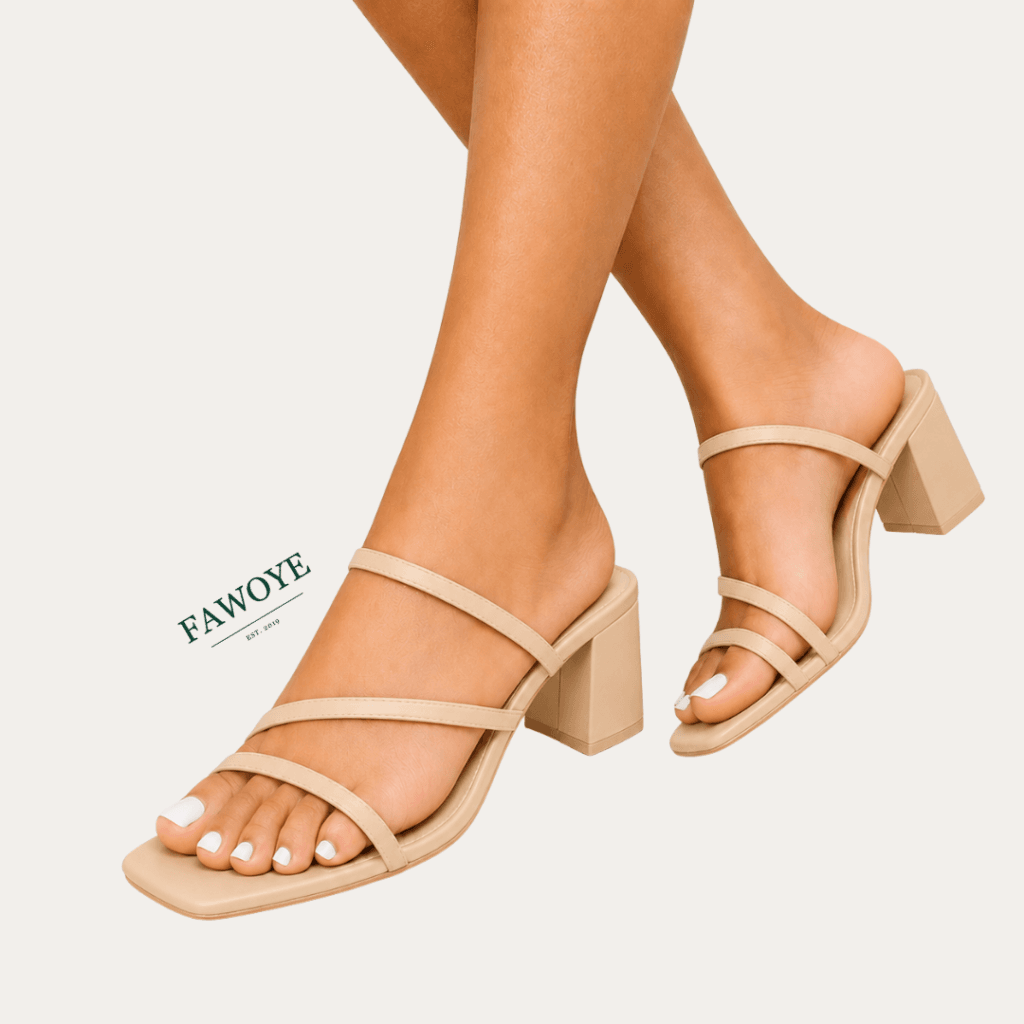
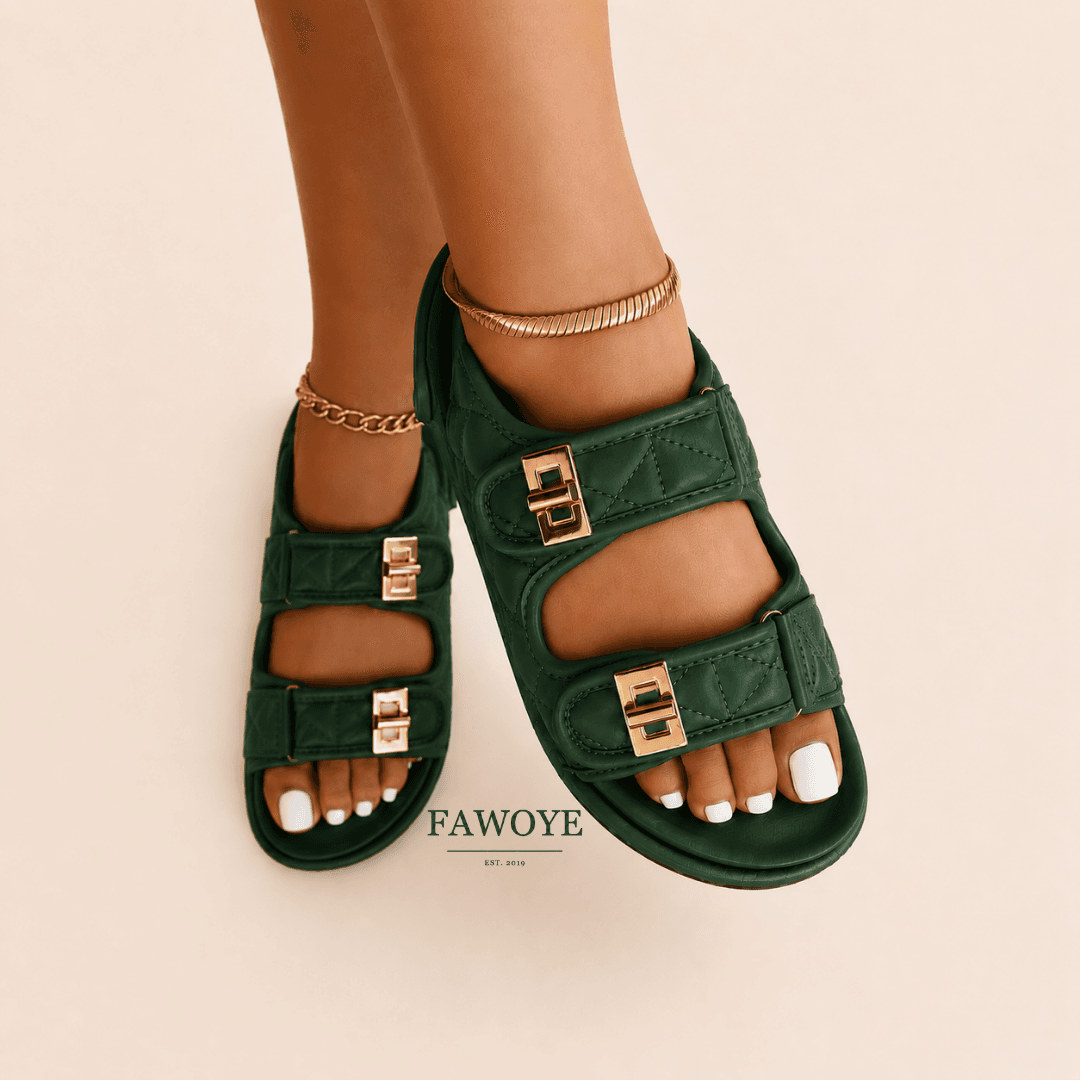
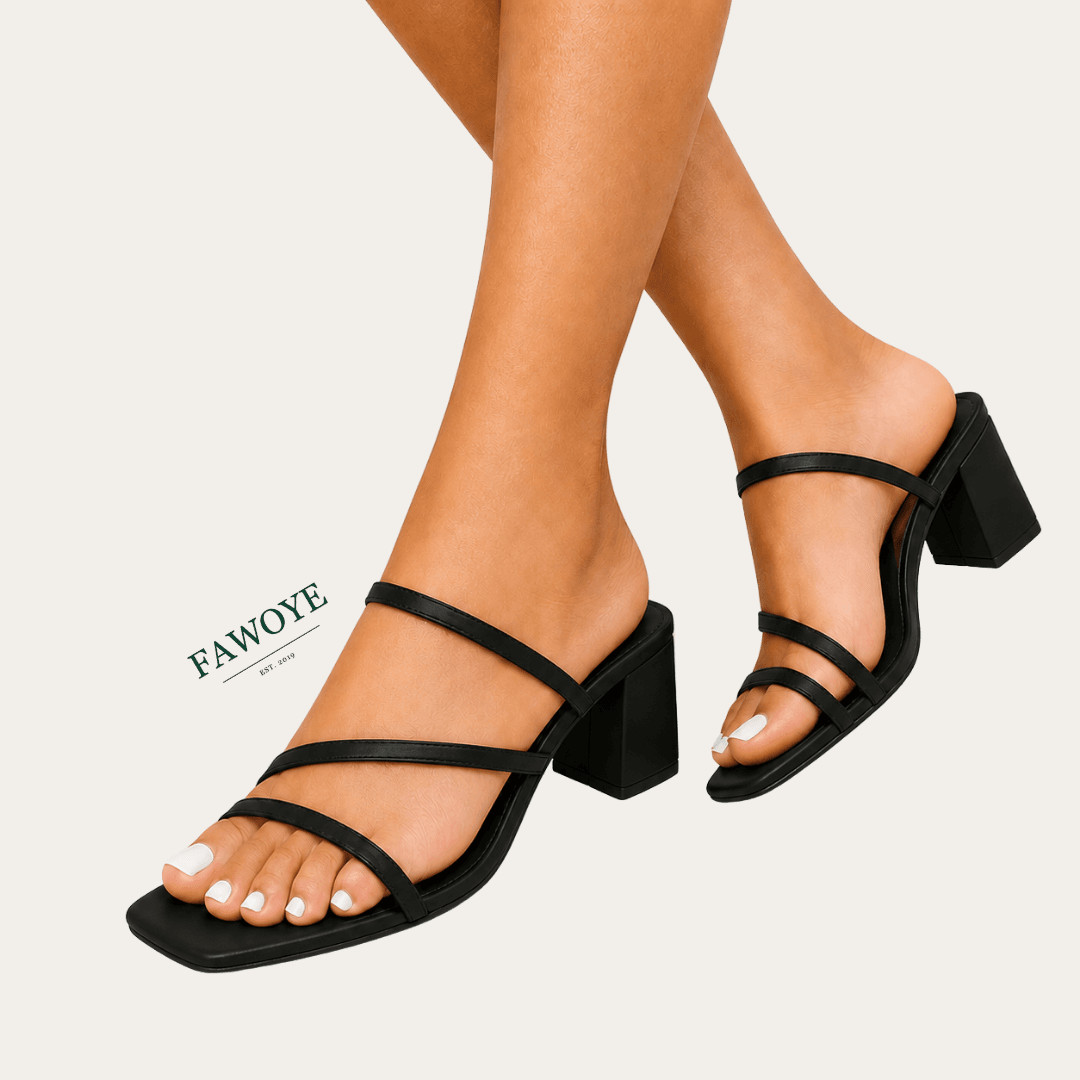
The FAWOYE Quilted Women’s Sandal is worth considering if you prefer a low sandal. If you want more height with a broader base, explore the FAWOYE Strappy Block-Heel Mule. The better option is the one that suits your foot, outfit and expected wear time.
Stable heel and sole
A broader heel generally gives more contact with the ground than a narrow heel of the same height. Flats remove height, but they still need a sole that bends naturally and does not feel flimsy. Very smooth soles may feel uncertain on polished floors or damp outdoor surfaces.
Comfortable upper
Leather, suede, woven materials and fabric behave differently. The upper should not create sharp pressure over the toes or across the top of the foot. Do not assume a material will stretch enough to correct a poor fit.
Suede needs suede-appropriate care; leather cream should not be used on suede. For any material, check the product information and follow the correct care instructions.
Manageable heel height
Comfort with heels is personal. Someone who regularly wears a moderate block heel may prefer it to a completely flat sole, while another person will be happiest in a low sandal. The safest wedding choice is a height you can walk in naturally—not a height you hope to master on the day.
Comfortable options for brides
Low block heels
A low or moderate block heel can provide lift with a stable base. It suits brides who want height under a long dress but do not want a narrow stiletto. Walk on different indoor surfaces before deciding and check that the heel does not wobble.
Dressy flats
Flats are valid bridal shoes, not merely emergency backups. They can work for civil ceremonies, traditional weddings, outdoor celebrations and receptions. Our guide to the best flat shoes for weddings explains how to choose a pair that still feels occasion-ready.
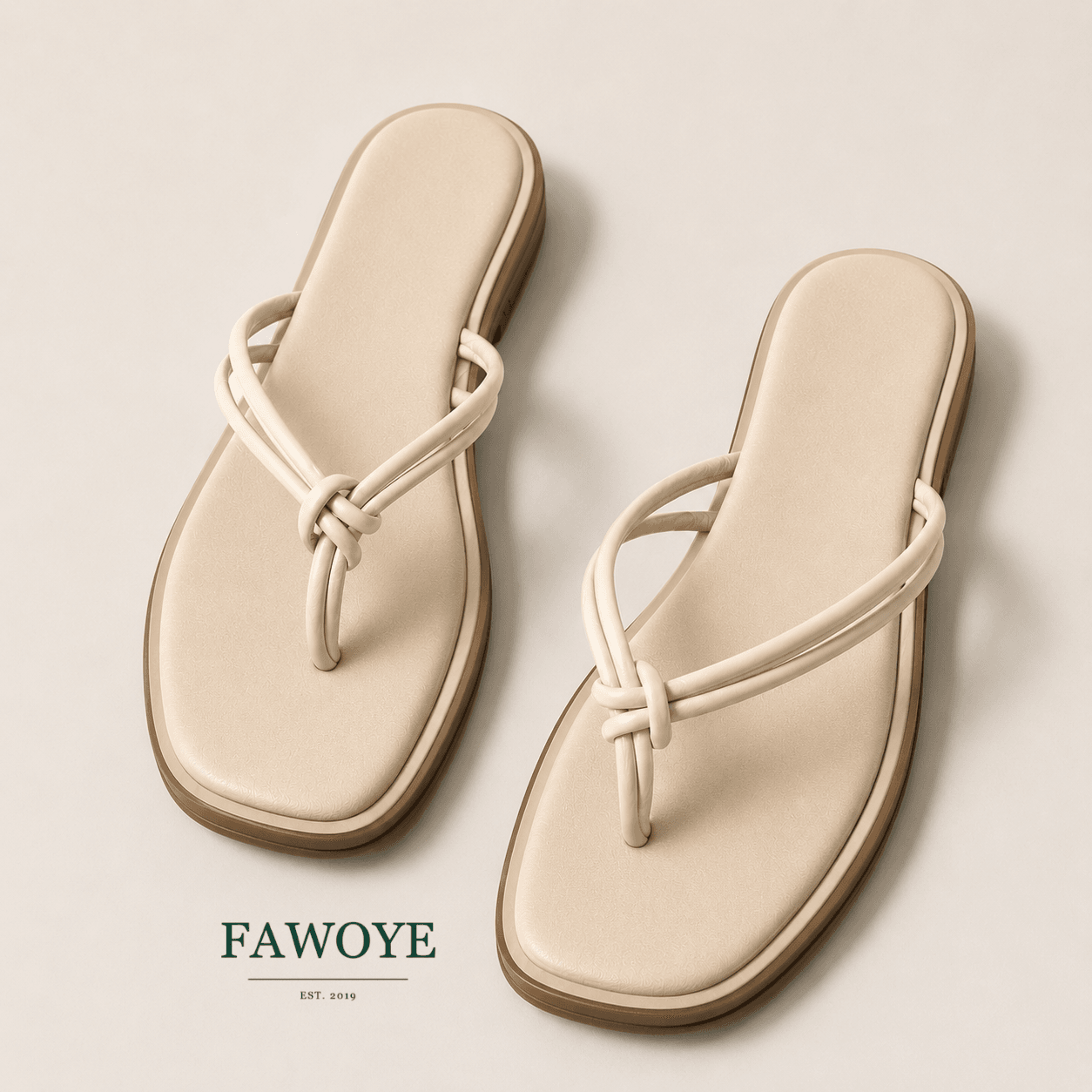
Secure sandals
A well-fitted sandal can be particularly practical with traditional attire and reception looks. Look for straps that hold the foot without cutting into it. If your feet tend to swell, avoid a layout that puts all the pressure on one narrow strap.
A planned second pair
Some brides want a formal ceremony heel and a lower reception shoe. That works best when both pairs have been considered during dress fittings. A dramatic difference in height can leave a long dress dragging after the change.
For more bridal styling choices, read best shoes for Nigerian brides.
Comfortable options for wedding guests
Wedding guests usually benefit from choosing a pair they can wear beyond one event. A refined sandal, low block heel, dressy flat or smart loafer can move from weddings to dinners, church and other occasions depending on the design.
Consider your full outfit:
- With a long dress, make sure the hem clears the floor.
- With a short or midi dress, the shoe becomes more visible, so proportion matters.
- With a trouser suit or jumpsuit, a clean mule, sandal or loafer-inspired shape can work.
- With aso ebi, let the amount of embellishment on the outfit guide how simple or detailed the shoe should be.
For women-specific styling, see best shoes for female wedding guests in Nigeria. Our wedding guest shoe guide also includes choices for men.
What to wear for standing and dancing
A shoe for standing all day needs more than a soft insole. It should allow a stable stance, keep the foot centred and avoid concentrated pressure. A shoe for dancing also needs to stay attached to the foot as you turn and move.
Before the event, test the pair indoors for longer than a few minutes. Walk, stand, turn and use stairs. If you constantly adjust the shoe or grip it with your toes, it may become tiring during the wedding.
Do not wait for severe pain before changing footwear. If you are bringing a second pair, change when you first notice persistent discomfort. Read comfortable shoes for standing all day for a fuller fit checklist.
Rainy-season and harmattan considerations
During Nigeria’s rainy season, the journey into a venue may matter as much as the venue itself. Car parks, gardens and outdoor photo areas can be wet. Consider a sole that feels stable, and protect delicate materials until you are indoors. A spare pair or protective shoe bag can be useful when the forecast is uncertain.
During harmattan, dust can settle on uppers and around straps. Carry a clean soft cloth for smooth materials. Use the correct brush for suede and avoid applying leather products to it.
An outdoor wedding also changes the best heel choice. Thin heels can sink into soft ground. A flat, wedge or broader block heel may be easier, provided the sole has suitable grip.
Do you need to “break in” wedding shoes?
Wear the shoes indoors before the wedding to confirm fit and locate minor rubbing, but do not expect painful shoes to transform completely. A properly sized pair may soften slightly with wear; it should not cause numbness, sharp pressure or significant pain from the beginning.
If a shoe is too short, too narrow or unstable, prolonged wear is not a safe fix. Our article should new shoes hurt? explains the difference between slight initial stiffness and a poor fit.
A practical wedding-shoe timeline
Two to three months before
Choose the shoe early enough to use it during dress or trouser fittings. If ordering made-to-order, allow the production time provided by the maker and avoid assuming a last-minute deadline can be accommodated.
Several weeks before
Try the shoes indoors. Confirm that the outfit length works, especially if you will change between heels and flats. Decide whether you need discreet cushions for minor friction.
The week of the wedding
Inspect the soles, straps and fastenings. Prepare a small shoe bag with the second pair, plasters or blister dressings, and material-appropriate cleaning supplies.
On the day
Put the shoes on with clean, dry feet. Keep the backup pair accessible. During rainy weather, protect delicate shoes while walking from the car and change indoors if planned.
Comfort mistakes to avoid
- Buying a smaller size because it makes the foot look neater
- Choosing a heel height you cannot walk in naturally
- Ignoring width and trying to fix the shoe with padding
- Testing only while seated
- Wearing brand-new shoes for the first time at the ceremony
- Using leather cream on suede
- Forgetting to check the outfit hem with both pairs
- Packing the backup shoes where they cannot be reached
The goal is not to find a shoe you can tolerate for one hour. It is to choose one that supports the actual wedding you are attending.
A final decision guide
Choose a flat or low sandal if you value low height, expect long standing or prefer a relaxed stride. Choose a block heel if you need lift for the outfit and feel steady at that height. Choose a secure strap when dancing and movement are priorities. Choose a second pair when the ceremony look and reception comfort cannot reasonably be handled by the same shoe.
Most importantly, choose according to your foot rather than a trend. A well-fitted, stable shoe will look better in motion because you will stand naturally and move without constantly thinking about your feet.
Related FAWOYE Journal guides
- Best Flat Shoes for Weddings
- Best Shoes for Nigerian Brides
- Best Shoes for Female Wedding Guests in Nigeria
- Best Shoes for Wedding Guests in Nigeria
- Best Shoes for Owambe
- Comfortable Shoes for Standing All Day
- Should New Shoes Hurt?
Frequently asked questions
What are the most comfortable wedding shoes for a bride?
The most comfortable pair is correctly sized, stable and suited to the bride’s normal walking habits. Dressy flats, secure sandals and low block heels are common options, but fit matters more than the label.
Are block heels comfortable for Nigerian weddings?
They can be. A broader heel offers a more stable base than a narrow heel at the same height, but the shoe must still fit correctly and the height must be manageable for the wearer.
What shoes are best for an outdoor wedding during rainy season?
Choose a stable sole and a material you can protect appropriately. Flats, wedges and broader block heels may handle soft ground better than thin heels. Carry delicate shoes until you reach a dry area if necessary.
Should wedding shoes be one size bigger?
Not automatically. Extra length can cause slipping. Select the correct length and width, and provide accurate measurements for made-to-order footwear.
When should I change into my reception shoes?
Change when discomfort begins to persist, not after your feet are already very sore. Keep the second pair accessible and confirm that the outfit hem works with it.
Can comfortable wedding shoes still look elegant?
Yes. Shape, proportion, finish, colour and craftsmanship create elegance. A shoe does not need a very high heel to look appropriate for a wedding.