The Best Handmade Shoes in Nigeria: A Buyer’s Guide to Luxury Leather Footwear

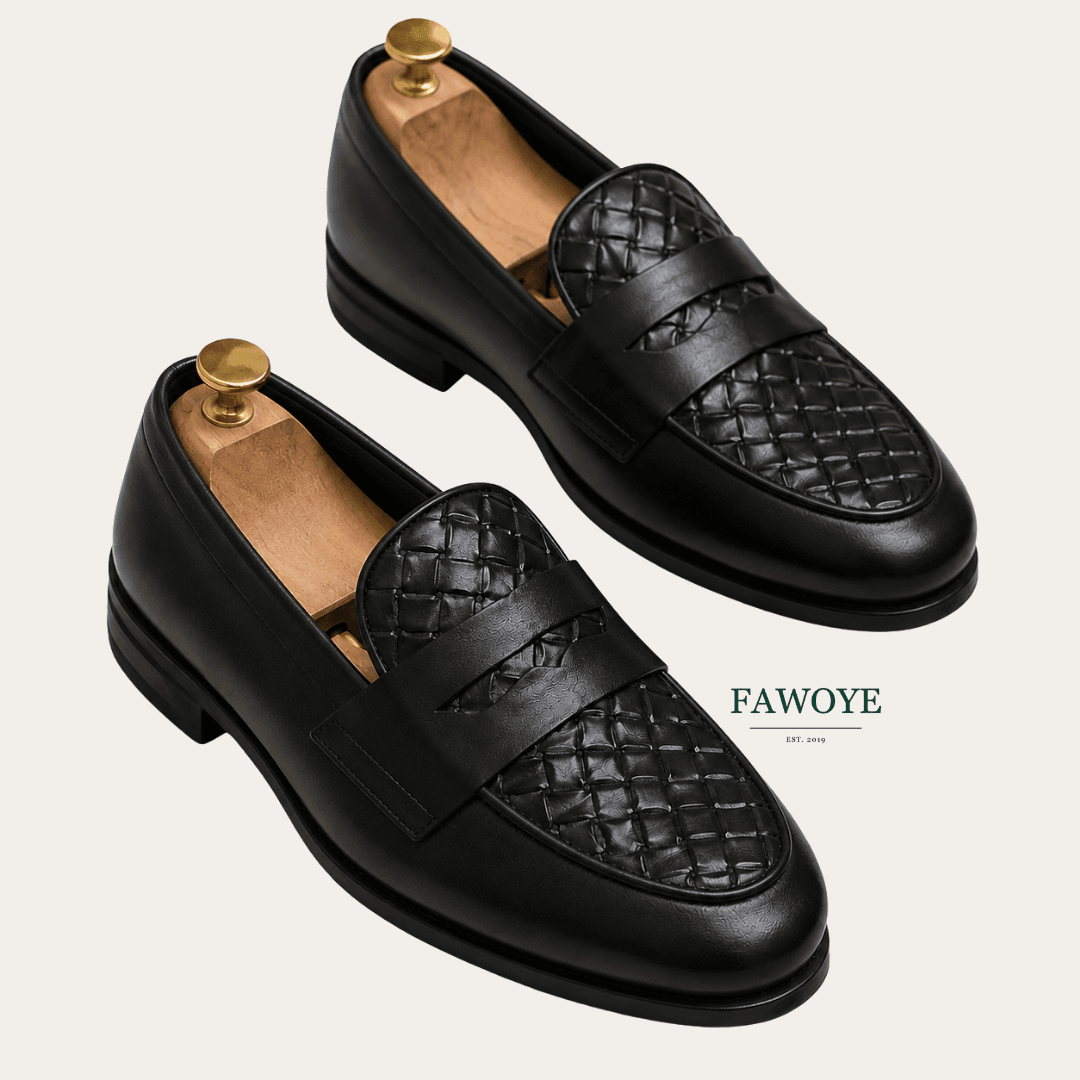
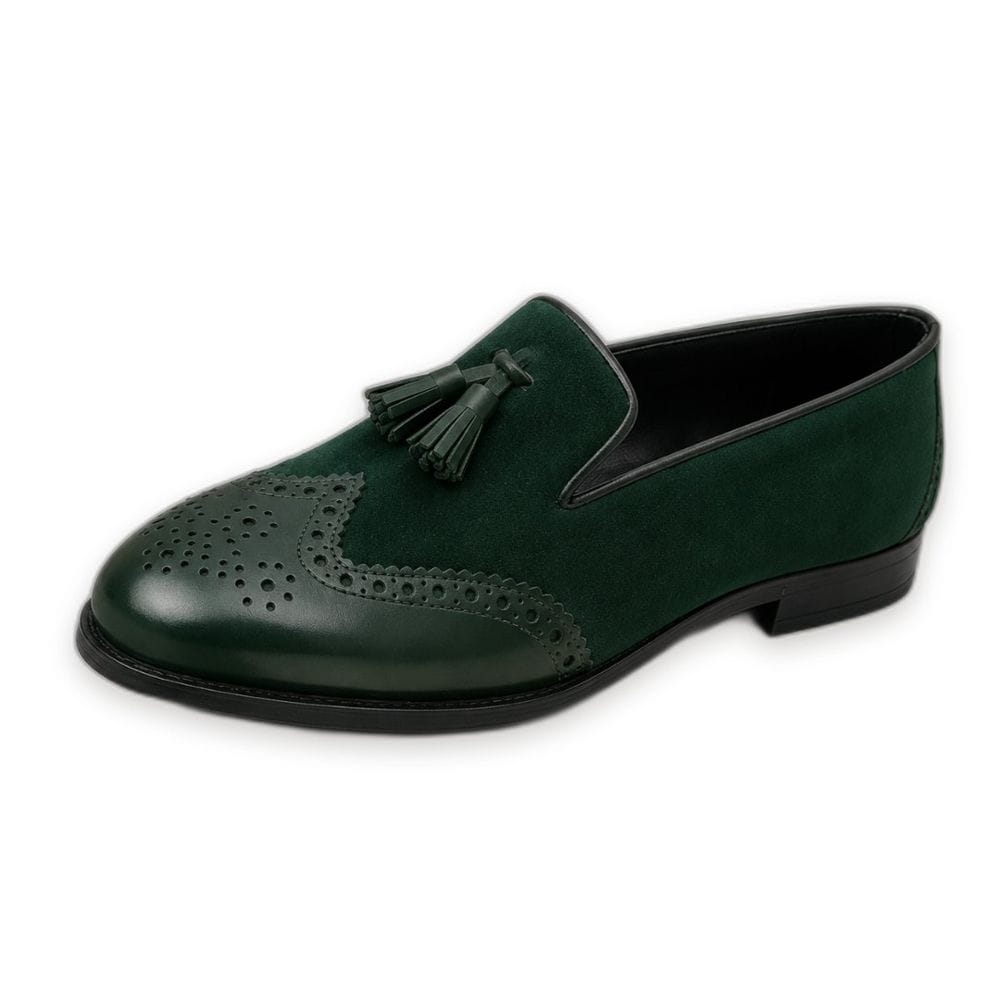
FAWOYE tassel brogue loafer, a statement shoe for owambe

Handmade shoes sit in a different class to anything mass produced. In Nigeria, where the roads are hard on footwear and the weather swings from harmattan dust to heavy rain, a pair built by hand from real leather lasts longer and looks better doing it. The hard part is telling genuine quality from clever marketing, because words like “luxury” and “premium” get stamped on a lot of footwear that hasn’t earned them. This guide cuts through it: what handmade really means, how to judge a good pair, and why the best luxury footwear in Nigeria is now being made here at home.

What makes a shoe genuinely handmade

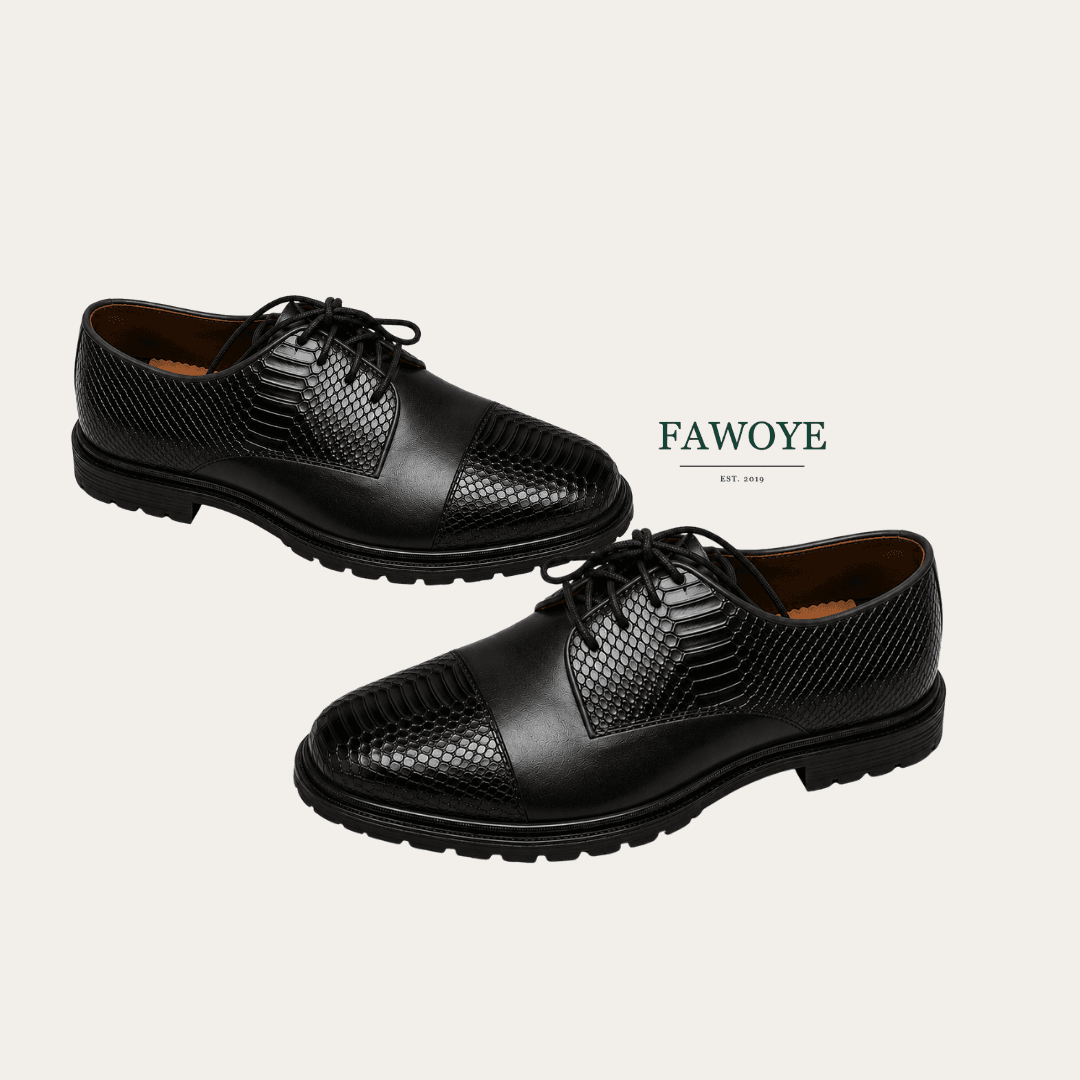
A true handmade shoe is cut, shaped, stitched and finished by a skilled maker rather than stamped out by a machine. The leather is selected by hand, the footbed is built up in layers, and the stitching gets attention a production line rarely gives. A hand-punched pair like a tassel brogue loafer shows it in the detail. It takes longer and costs more, and that’s the point. The result is a shoe that fits better, breaks in to your foot, and can be cared for and repaired for years. If you want the full comparison, we lay it out in handmade leather shoes vs factory-made shoes.

FAWOYE derby, hand-lasted in full-grain leather

How to judge a good pair

  • Leather should have a natural, slightly irregular grain and a real leather smell, not the cold, uniform feel of plastic.
  • Stitching should be clean, even and tight, with no loose threads or skipped rows.
  • The footbed should be shaped and finished, not a flat slab glued in as an afterthought.
  • The fit should hold your foot without pinching, since good leather gives a little as it breaks in.

Those four checks catch almost every fake. If you want to go deeper on the material itself, here’s how to tell genuine leather from fake.
What actually makes it “luxury” or “premium”

Here’s the honest answer: luxury and premium footwear come down to the same things handmade quality does. Not a logo, not the highest price in the shop. Real luxury begins with real leather, chosen for grain, feel and how it will age. It’s made with care, not stamped out at speed, so you see it in the even stitching, the shaped footbed and the neat finishing at the edges and heel of a handmade oxford. And it’s built to last and to be repaired, so a good pair can be cleaned, conditioned and repaired rather than thrown away. If a brand can’t tell you what its shoes are made of, that tells you something too.

FAWOYE zipped chelsea boot, made to order in premium leather

Made in Nigeria, made for Nigeria

For years, luxury shoes meant imported. That’s changing. A new wave of Nigerian makers is producing handmade leather footwear that stands with anything shipped in, and it has one real advantage over the imports: it’s finished for the climate you actually live in. An imported pair built for cold weather isn’t automatically right here. A leather chelsea boot made in Nigeria is built with harmattan and the rains in mind. Buying local also keeps skilled work and money at home, and often gets you closer to the people who made your shoes.

Made to order, made to fit

The best makers treat fit as part of the luxury. Made-to-order production, a proper size range and after-sale care all say the brand cares how the shoe lives on your foot, not just how it looks in a photo. That’s a level of care mass-market imports simply don’t offer.

A range that covers your life

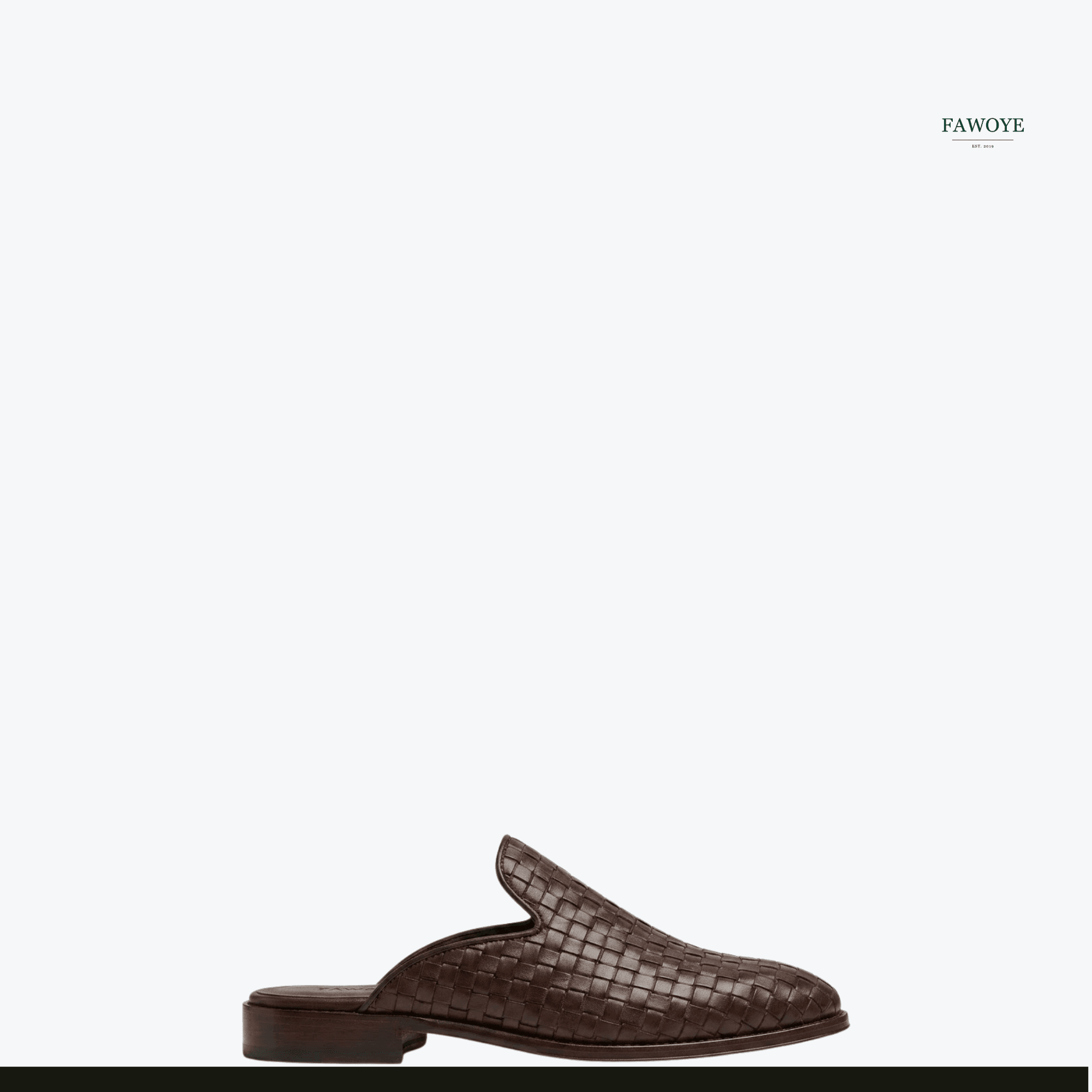
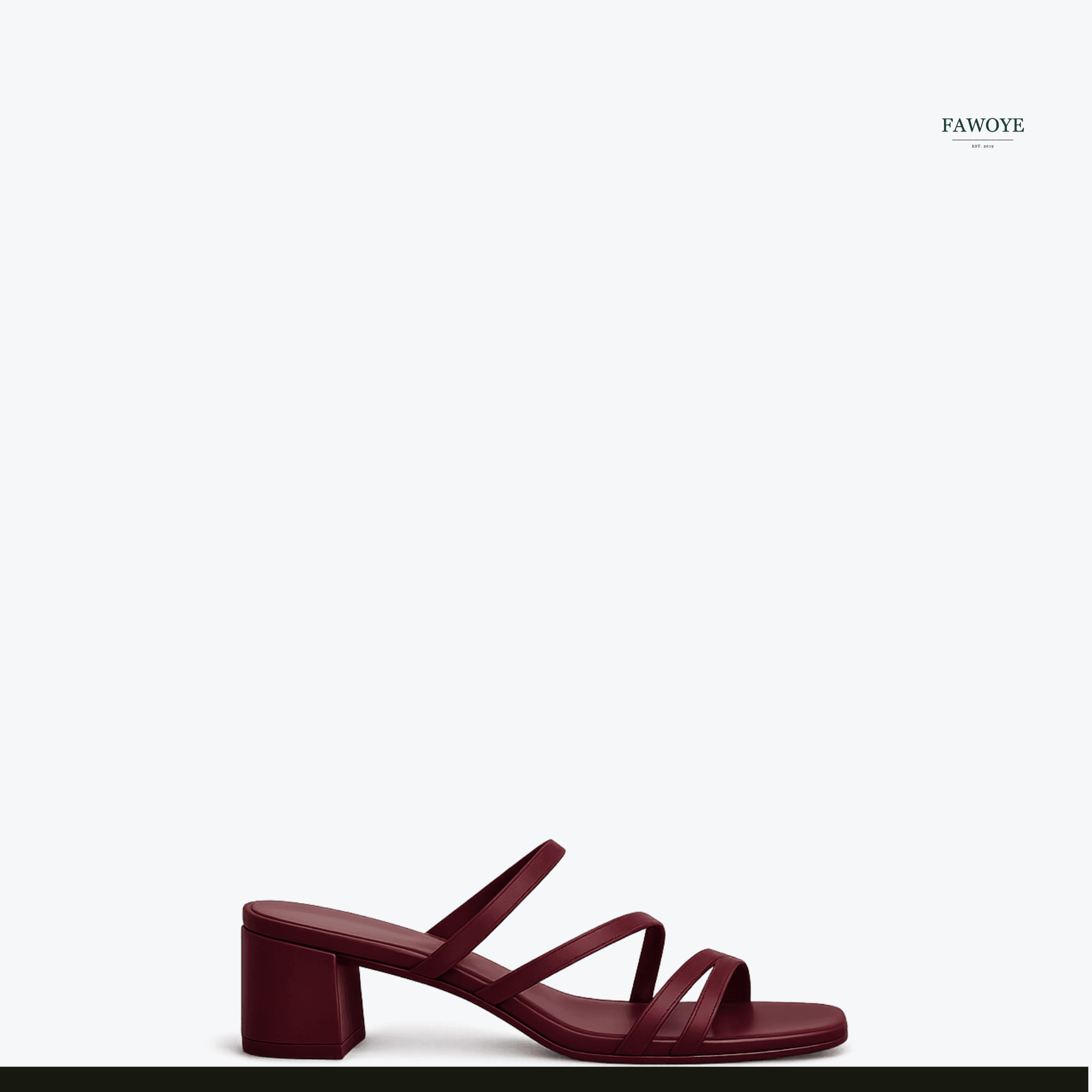
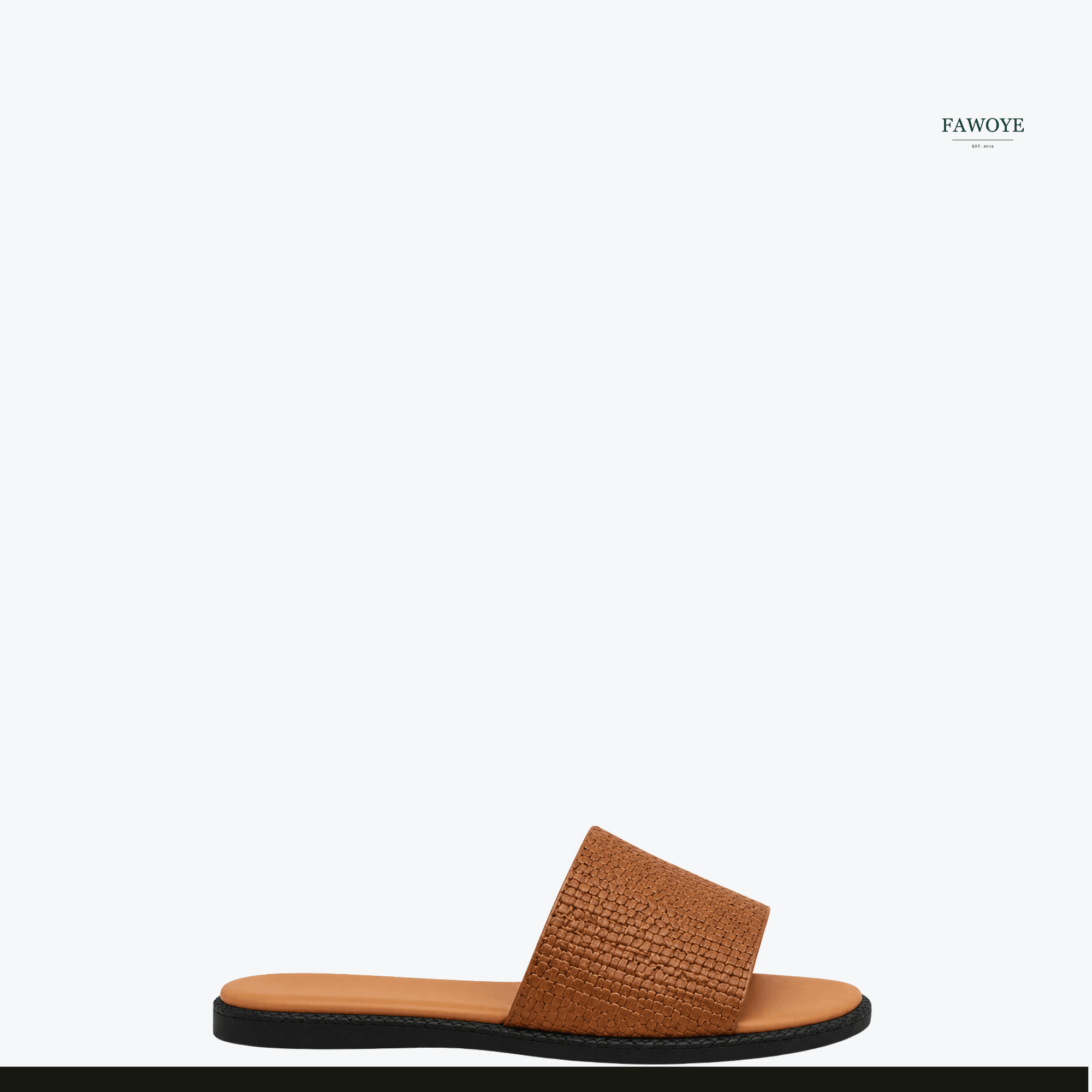
Good handmade footwear should carry you across occasions, from everyday leather slides and sandals to loafers, oxfords and boots, all in the same quality of leather. Cheap rubber falls apart in weeks in this climate. A good handmade pair only looks better with age. If you’re building from scratch, start with the shoes every Nigerian man should own.

Handmade in Nigeria by FAWOYE

Every FAWOYE pair is handmade in Nigeria from premium leather and made to order, so each shoe is built rather than pulled off a shelf. The range runs from slides and sandals to loafers, oxfords and boots, in a full range of EU sizes, finished for the Nigerian climate and delivered nationwide.

Frequently asked questions

Are handmade shoes worth the extra cost?

For anything you wear often or want to last, yes. A single well made pair outlasts several cheap ones and looks better the whole time, which usually works out cheaper in the long run.

What makes a shoe brand luxury or premium?

Premium leather, genuine craftsmanship, durability and fit, rather than price or logo alone. The shoe should be made to last and worth caring for.

Are Nigerian-made shoes as good as imported ones?

The best are, and they’re often better suited to the climate and made to order for your foot. Judge by the leather and the making, not the country on the box.

How long do handmade leather shoes last?

With basic care, several years. Leather softens and develops character with age rather than wearing out quickly like rubber or bonded materials. A little storage care through harmattan and the rains goes a long way.

Are FAWOYE shoes handmade in Nigeria?

Yes. Every pair is handmade to order in Nigeria from premium leather, then delivered across the country.

The bottom line

The best handmade shoes in Nigeria are the ones built from real leather with real care, made to fit your foot and survive the climate. Learn to read the leather, the stitching and the finishing, and you’ll rarely be fooled by a shiny pair that falls apart, or by a “luxury” label that’s all price and no substance. Explore the collection and find your pair.

Keep reading: Handmade vs Factory-Made Shoes, Oxford vs Derby vs Loafer and Leather Sandals in Nigeria.