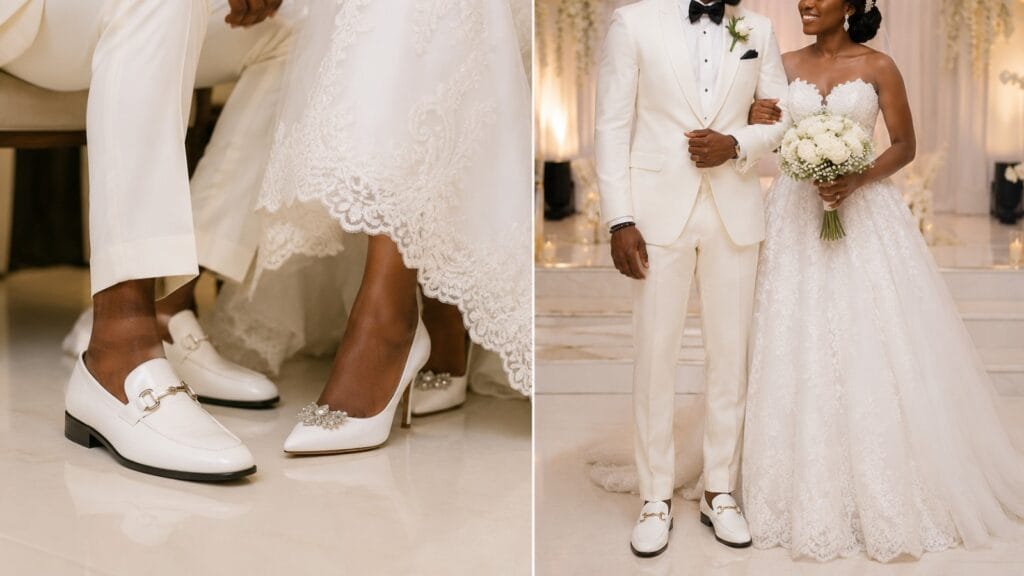
A Nigerian wedding can ask more from a pair of shoes than almost any other event.
There may be a traditional ceremony, a white wedding, photographs, greetings, church, dancing and an after-party. The bride and groom can change outfits more than once. Guests may spend hours standing, moving between venues and dancing long after the formal programme has ended.
The best wedding shoes in Nigeria therefore have two jobs. They must complete the look, and they must carry the wearer through the day.
The FAWOYE Nigerian Wedding Footwear Report 2026 examines how that balance is changing for brides, grooms and guests.
What this report covers
This is an editorial report rather than a national consumer survey. It brings together FAWOYE’s footwear knowledge, our existing Nigerian wedding style library, public trend reporting and research into the seasonal pressures surrounding Lagos weddings.
It focuses on five questions:
- What are Nigerian brides, grooms and guests looking for in 2026?
- Which shoe styles suit traditional and white weddings?
- Why is comfort becoming a more visible part of luxury?
- How does the December wedding season change buying decisions?
- What should couples consider before ordering their shoes?
The central wedding-footwear trend for 2026: comfort is part of luxury
For years, wedding shoes were often chosen mainly for photographs. Comfort was treated as something to solve later with slippers, bare feet or a second pair hidden under the table.
That attitude is changing.
International bridal reporting for 2026 points towards flats, wedges, platforms, mules, slingbacks and lower heels. The details vary, but the direction is clear: people want wedding shoes they can actually wear.
The Nigerian case makes that especially important. A wedding day can run from early-morning preparation to a late-night reception. Heat, uneven outdoor surfaces, long receiving lines and energetic dancing all expose a shoe that was selected only for appearance.
Comfort does not mean looking casual. It means choosing a better structure: enough toe room, secure fastening, a stable heel, supportive lining and materials that soften without collapsing.
In 2026, the most convincing luxury shoe is not the one that looks expensive for ten minutes. It is the one that still looks composed after ten hours.
The groom: the shoe is becoming part of the outfit
The groom’s shoe used to be the quiet final piece: usually a black lace-up for the white wedding and a slide or loafer beneath native wear.
The more interesting 2026 groom looks treat footwear as part of the styling.
Double monk straps for traditional weddings
Double monk straps are particularly effective beneath agbada and senator wear. Their polished buckles add detail without competing with embroidery or layered fabric.
A Double Monk Strap in dark brown can work with cream, navy, wine, forest green and many earth-toned traditional looks. Black is stronger with monochrome or highly formal styling.
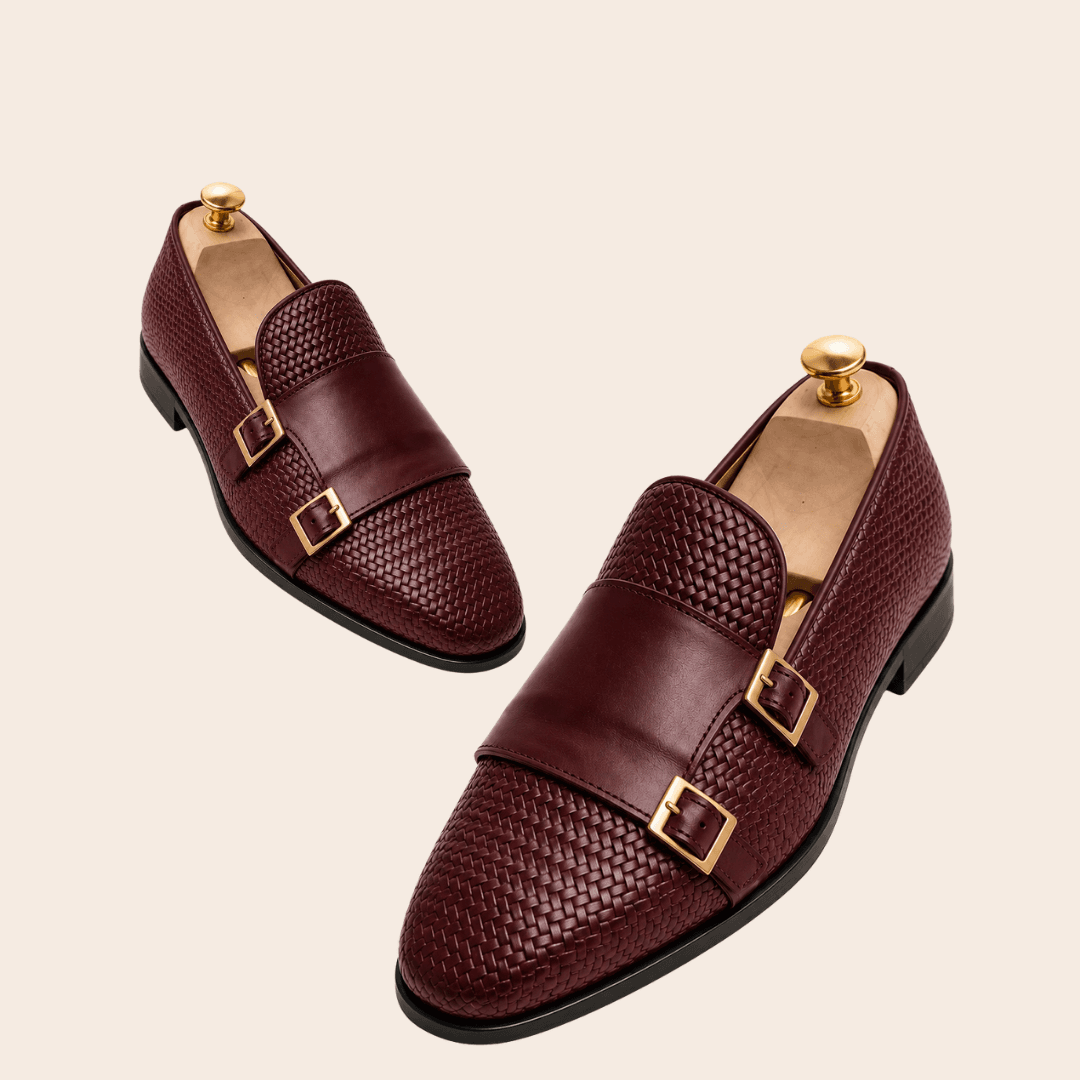
For a groom who wants more texture, the Woven Double Monk brings hand-finished detail into the outfit. A Two Toned Monkstrap works best when the rest of the look is controlled.
Read What Are Monk Strap Shoes? for the full comparison between single and double monks.
Oxfords for the white wedding
A plain oxford remains the safest choice with a formal suit or tuxedo. Its closed lacing creates a clean line and keeps attention on the tailoring.
Black works with black, charcoal and formal evening suits. Dark brown or deep burgundy can work with navy, depending on the wedding’s dress code.
Loafers for modern tailoring
Loafers suit grooms wearing relaxed tailoring, destination-wedding looks or a second reception outfit. They are also useful for groomsmen because they can be worn again after the wedding.
The strongest versions are made from good leather, stay secure at the heel and avoid exaggerated hardware.
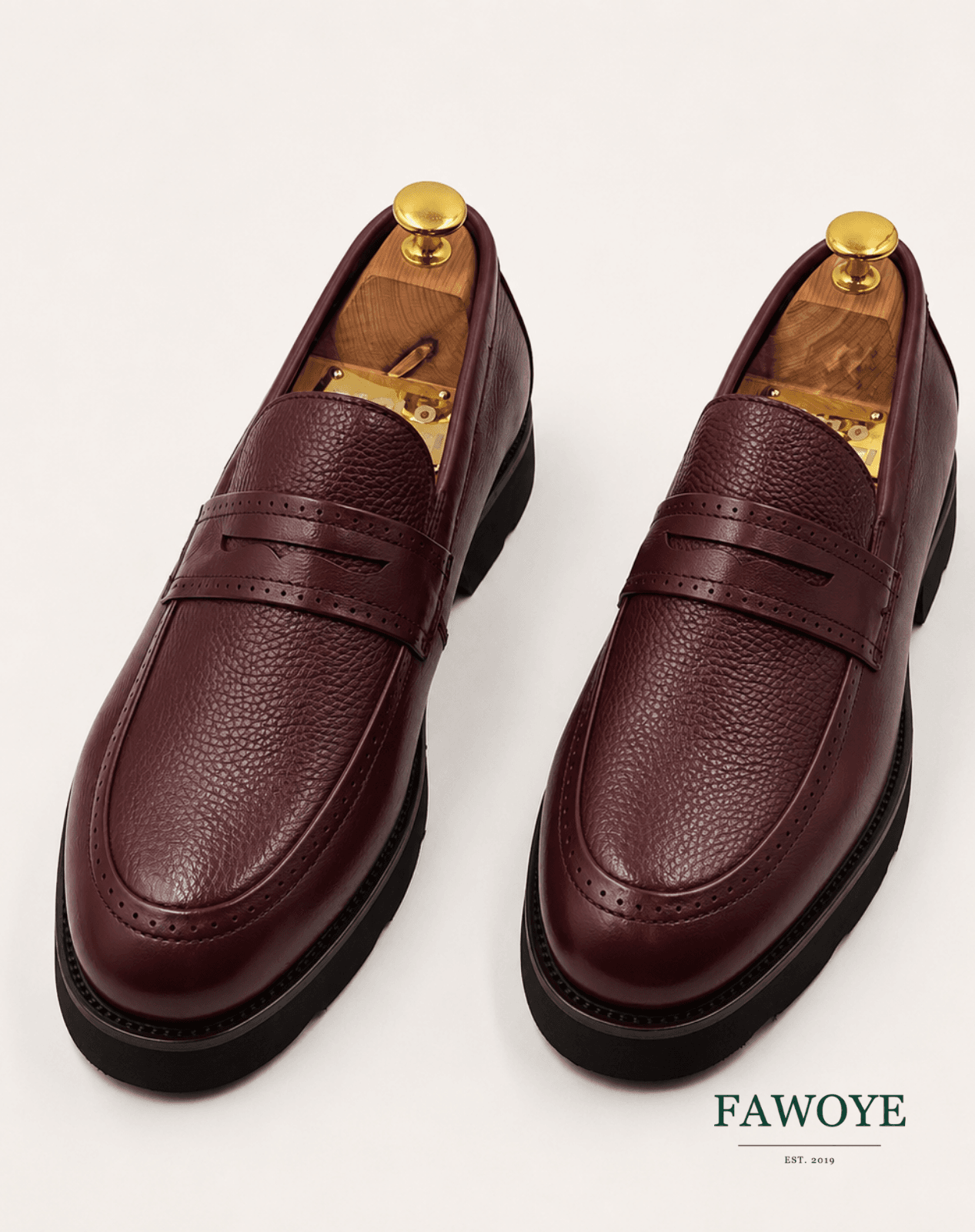
Native slippers still have a place
A well-made native slipper remains right for some traditional looks, particularly flowing agbada and cultural styling where a lace-up would feel too Western or severe.
The key is finish. Thin, collapsing slippers can reduce the impact of expensive fabric. A structured leather pair with a comfortable footbed looks more deliberate.
For more combinations, see Best Shoes for the Groom at a Nigerian Traditional Wedding and What Shoes to Wear With Agbada.
The bride: one beautiful pair is no longer always enough
Nigerian brides often dress for several distinct parts of the celebration. The shoe under a traditional outfit does not always need to do the same job as the shoe under a white gown or reception dress.
That is why a two-shoe plan can be more practical than forcing one pair through the entire day.
The ceremony shoe
The ceremony shoe should work with the length and structure of the gown. A block heel, stable pump, slingback or secure sandal can provide height without the instability of a very thin heel.
The bride should test the shoe with the actual dress before the final fitting. Even a small change in heel height can affect where the hem falls.
The reception shoe
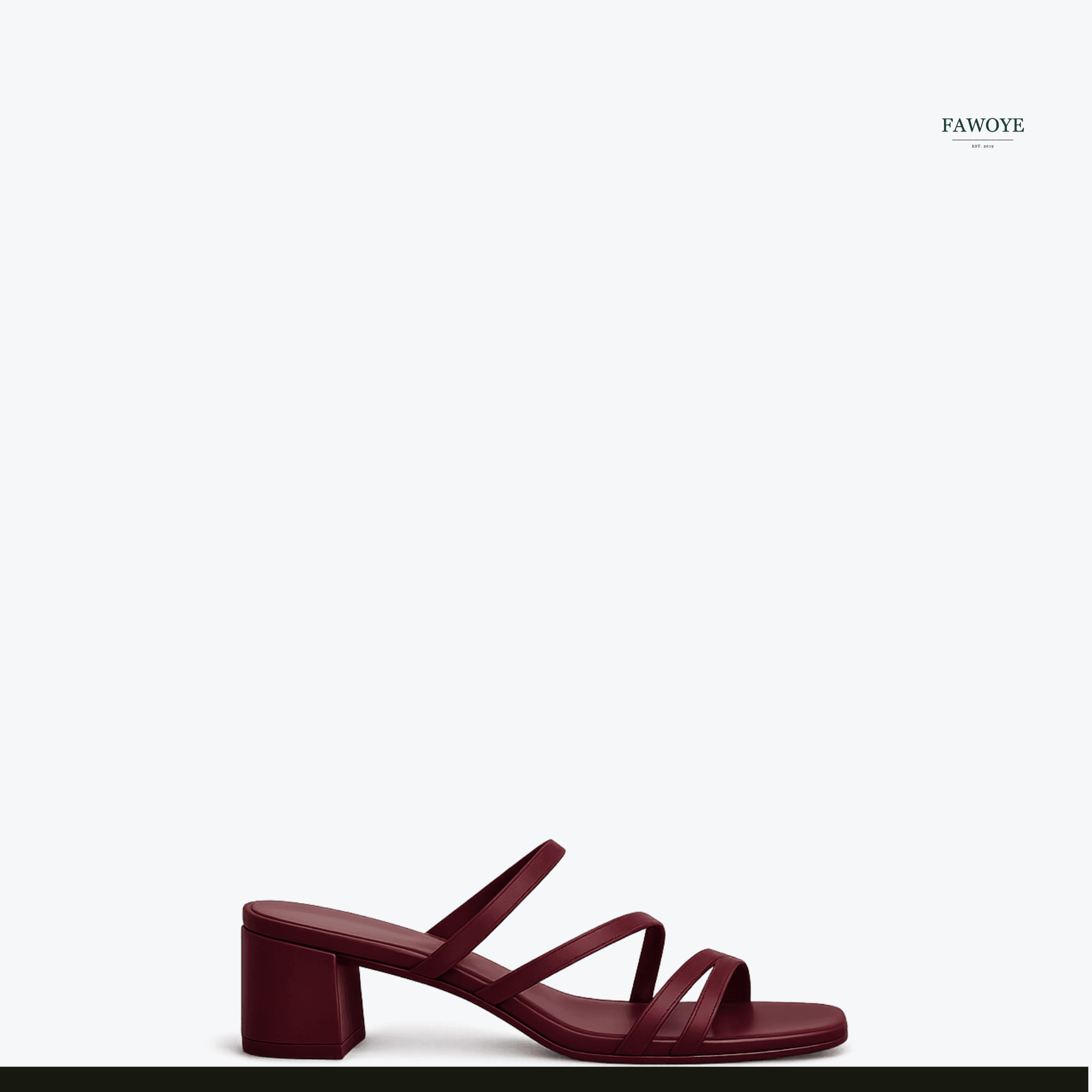
Elegant flats, low heels, mules and supportive sandals are increasingly sensible reception choices. They allow the bride to dance and move between guests without abandoning the look.
A change of shoes should still feel like part of the styling. The second pair can repeat a texture, colour or detail from the dress rather than looking like an emergency solution.
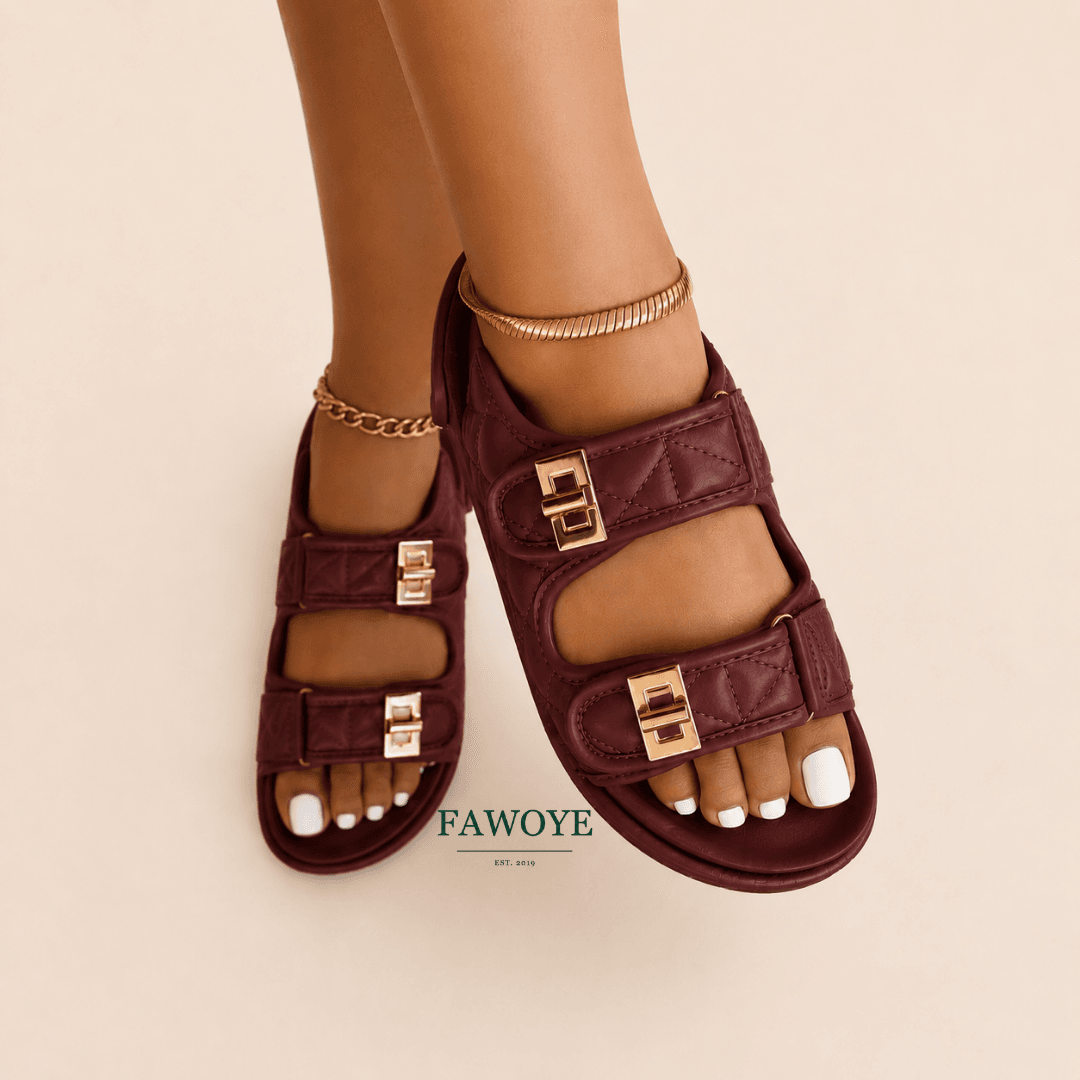
Colour beyond pure white
Ivory, champagne, nude, soft metallics and controlled colour can be easier to re-wear than brilliant white. They can also sit more naturally beside Nigerian skin tones and richly coloured traditional fabrics.
The right shade should be tested against the outfit in natural light. “Nude” is not one universal colour.
Our guides to Best Shoes for Nigerian Brides and Best Flat Shoes for Weddings cover the options in more detail.
Wedding guests: the smarter shoe wins the long day
Guests face a different calculation. The shoe has to complement aso ebi, native wear or formal clothing, but it also has to survive queues, photographs, greetings and the dance floor.
For men, loafers, monk straps, derbies and polished native slippers provide the best range. The choice should follow the formality of the outfit.
For women, block heels, slingbacks, refined flats and secure sandals tend to outlast unstable stilettos. A beautiful shoe that changes the way you walk after one hour is not helping the outfit.
The strongest guest wardrobes are built around re-wearable colours: black, dark brown, tan, nude, metallic and selected deep tones. These can move between weddings, church, dinners and other occasions.
Read Best Shoes for Wedding Guests in Nigeria and Best Shoes for Owambe for a fuller breakdown.
The December effect
December concentrates travel, reunions, weddings and celebrations across Nigeria. Research into Lagos wedding planning also describes strong seasonal concentration during festive and dry periods, with pressure on venues, vendors and coordination.
Footwear is part of that pressure.
Couples returning from abroad may have limited time for fittings. Made-to-order workshops face fuller production calendars. Delivery networks become busier. Guests may be packing for several events rather than one.
The practical lesson is simple: December wedding shoes should not be a last-minute purchase.
For made-to-order footwear, allow time for production, delivery, fitting and any adjustment. The shoe should also be worn carefully indoors before the event so the wearer understands the fit. This is not about forcing a painful shoe to “break in.” It is about confirming that the size, socks and fastening all work together.
Traditional wedding and white wedding: should the shoes be different?
Sometimes yes.
A formal black oxford that looks exact beneath a tuxedo may feel overly strict under flowing native wear. A soft slipper that completes an agbada may not provide the structure required for a tailored suit.
Use the outfit and occasion to decide:
- Agbada: monk straps, refined loafers or structured native slippers.
- Senator wear: loafers, monk straps and clean leather slides for less formal settings.
- Kaftan: loafers or leather slippers, depending on the cut and event.
- Tuxedo or formal dark suit: polished black oxfords.
- Relaxed suit: derbies, loafers or dark-brown monks.
- Bridal gown: pumps, stable heels, slingbacks, flats or sandals selected around the hem and venue.
- Aso ebi: colours and details that support the fabric without competing with it.
The goal is not to buy more shoes for the sake of it. It is to avoid asking one unsuitable pair to perform two very different jobs.
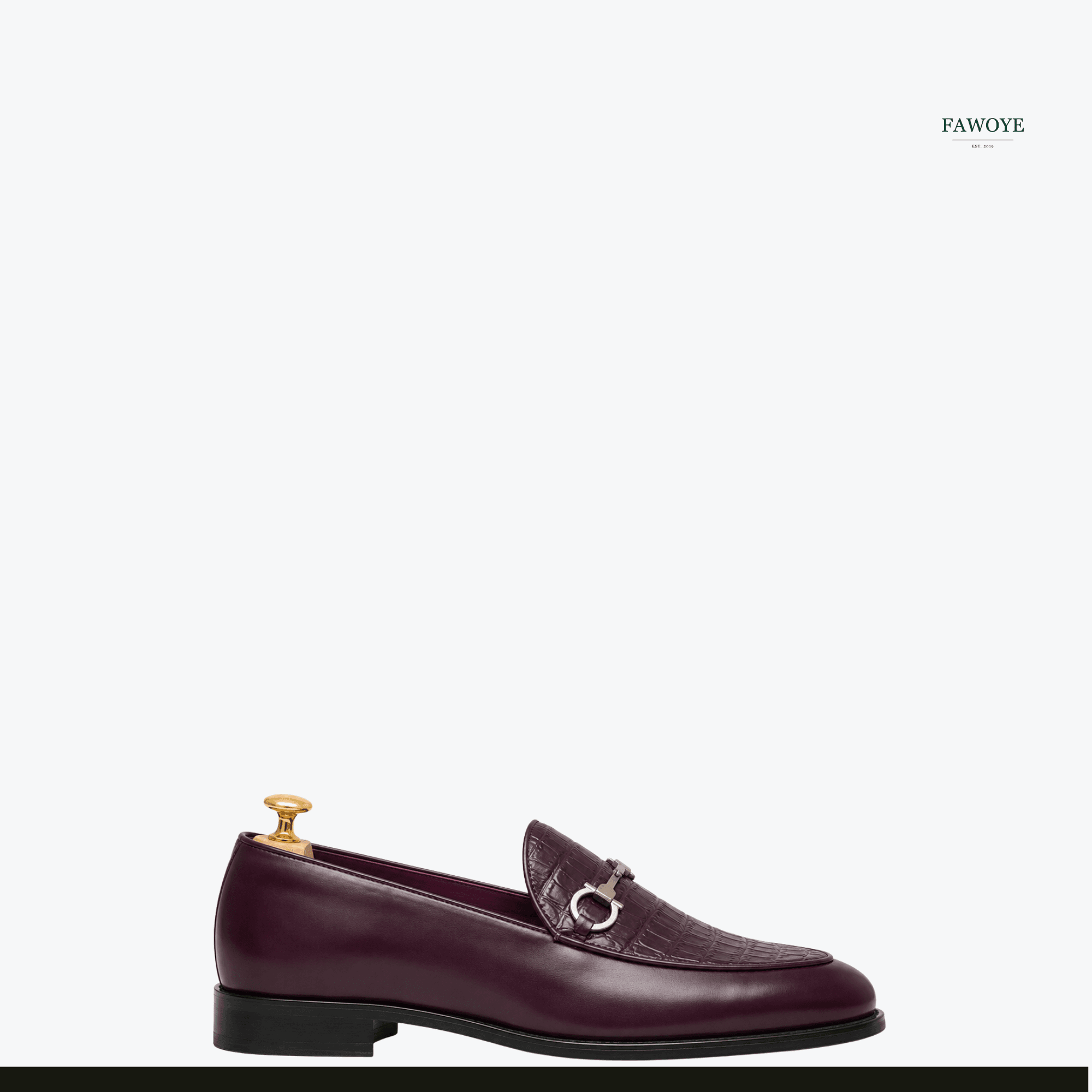
What Nigerian couples should look for when buying wedding shoes
Fit before appearance
Check heel security, toe room and pressure across the widest part of the foot. Walk, turn and stand in the shoes. For heels, test the surface you are likely to encounter.
Materials that can handle the day
Good leather breathes, softens and can be maintained. The lining matters too, because that is what stays against the foot for hours.
A style that can be worn again
A wedding shoe becomes better value when it can return to the office, dinner, church or another celebration. Re-wearability is one reason classic loafers, oxfords, monk straps, flats and restrained sandals remain strong.
Enough ordering time
Made-to-order shoes should be commissioned early enough for production and fit confirmation. Do not first wear an unfamiliar shoe on the wedding morning.
The complete outfit
Take the trouser hem, gown length, accessories, fabric colour and venue into account. A shoe never exists alone on the day.
The FAWOYE 2026 wedding-footwear outlook
Five themes are likely to shape the rest of 2026:
- Comfort will become more visible, not hidden as a compromise.
- Grooms will use shoes to express more personality, particularly through monk straps, woven leather and refined loafers.
- Brides will plan ceremony and reception footwear separately where the day demands it.
- Re-wearability will matter more as couples look for value beyond one event.
- Made-to-order timing will become part of wedding planning, especially for December ceremonies and diaspora couples.
The larger direction is towards intention. Nigerian couples still want their footwear to look worthy of the day. They are simply becoming less willing to suffer for it.
Choosing wedding shoes that carry the whole day
Wedding photographs preserve a few seconds. The people inside them have to live through the full day.
Choose shoes that respect both.
For the groom, that may mean a polished oxford, a distinctive monk strap or a carefully made native slipper. For the bride, it may mean a stable ceremony heel and an elegant reception flat. For the guest, it means understanding that comfort and style are not opposing ideas.
Explore the FAWOYE Wedding Collection or browse handmade footwear from FAWOYE, made in Nigeria for the ones going places.
Sources and methodology
This is a FAWOYE editorial report, not a national consumer survey. It was prepared in July 2026 using FAWOYE’s experience designing and selling made-to-order footwear in Nigeria, a review of our existing wedding and Nigerian-style guide library, public 2026 bridal-footwear trend reporting, and public research on the seasonality of weddings in Lagos. Global wedding-services research is used only as broad context, not as a substitute for Nigerian market data. This report does not claim national percentages or market values, and FAWOYE’s styling recommendations are our own editorial view rather than independent survey findings.
Sources used as context:
- Grand View Research — Wedding Services Market
- Research on the seasonality of Lagos weddings and events
- Who What Wear — 2026 Bridal Shoe Trends
- Freya Rose — Wedding Shoe Trends 2026
Frequently asked questions
What are the best shoes for a Nigerian traditional wedding?
For men, monk straps, loafers and structured native slippers work well with agbada, senator and kaftan. Women can choose stable heels, flats, mules or refined sandals depending on the outfit and venue.
What colour shoes should a Nigerian groom wear?
Black is safest for formal dark suits. Dark brown works with navy, grey, cream and many traditional outfits. Burgundy and two-tone styles can work when the rest of the look is restrained.
Should a bride have two pairs of wedding shoes?
It can be sensible. A ceremony pair can provide the required height and structure, while a comfortable reception pair makes standing and dancing easier. Both should still feel connected to the overall styling.
How early should wedding shoes be ordered?
Made-to-order footwear should be ordered early enough for crafting, delivery, a proper indoor fitting and any necessary adjustment. Build extra time into the plan for December weddings.
Can monk straps be worn with agbada?
Yes. Black and dark-brown monk straps look polished with structured agbada, while woven or two-tone versions can suit a groom who wants more detail.
What wedding shoes are best for standing all day?
Look for a secure fit, enough toe room, a supportive footbed and a stable heel. For women, block heels, lower heels and flats are generally easier for prolonged standing than narrow stilettos.