Leather sandals make sense for Nigerian life. They are easy to wear in warm weather, they work with many native and casual outfits, and the right pair can look polished without feeling overdressed.
But “leather sandal” covers many different designs. A woven sandal does not fit or behave exactly like a broad-strap sandal. A closed fisherman style gives more coverage than an open slide. Suede has a softer surface and needs different care from smooth leather. The best choice is therefore not simply the most attractive pair on a product page. It is the one that suits your feet, your wardrobe and where you plan to wear it.
This guide explains what to look for when shopping for leather sandals in Nigeria, including fit, construction, styling and care during the rainy season and harmattan.
Why leather sandals work so well in Nigeria
A good sandal gives the foot more airflow than a closed shoe. That is useful for everyday movement in Lagos, Abuja, Port Harcourt, Ibadan and other warm Nigerian cities. It can also move comfortably between settings: a relaxed Friday at work, a family visit, a casual dinner, church after-service plans or an afternoon event.
Leather also brings structure. Compared with a basic rubber slipper, a well-shaped leather sandal usually looks more intentional with kaftan, senator wear, linen trousers or a clean jeans-and-shirt combination. If you are deciding between the two, read leather slides vs rubber slides.
That does not mean every leather sandal is formal. Open footwear still sits on the relaxed side of the wardrobe. For a strict corporate meeting, interview or formal evening dress code, a loafer, Derby or Oxford is usually the better choice. Leather sandals are strongest when the occasion is relaxed, traditional or smart-casual.
Sandals and slides are not exactly the same
People often use the words interchangeably, but the construction matters.
A slide has an open back and is held mainly by straps across the front of the foot. It is quick to put on and remove. A sandal may also be open, but it can include a back strap, ankle strap, toe loop or more enclosed upper. Those extra points of contact can make the foot feel more secure when walking for longer periods.
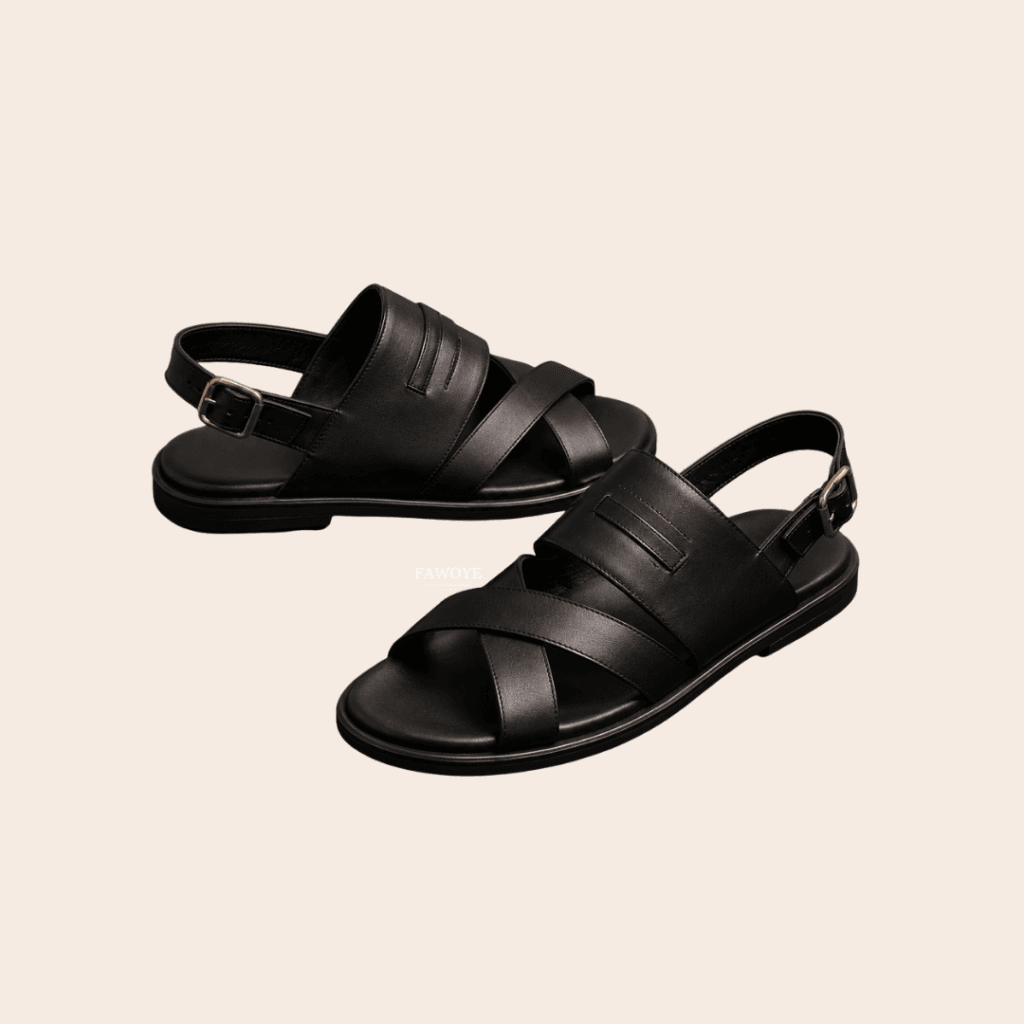
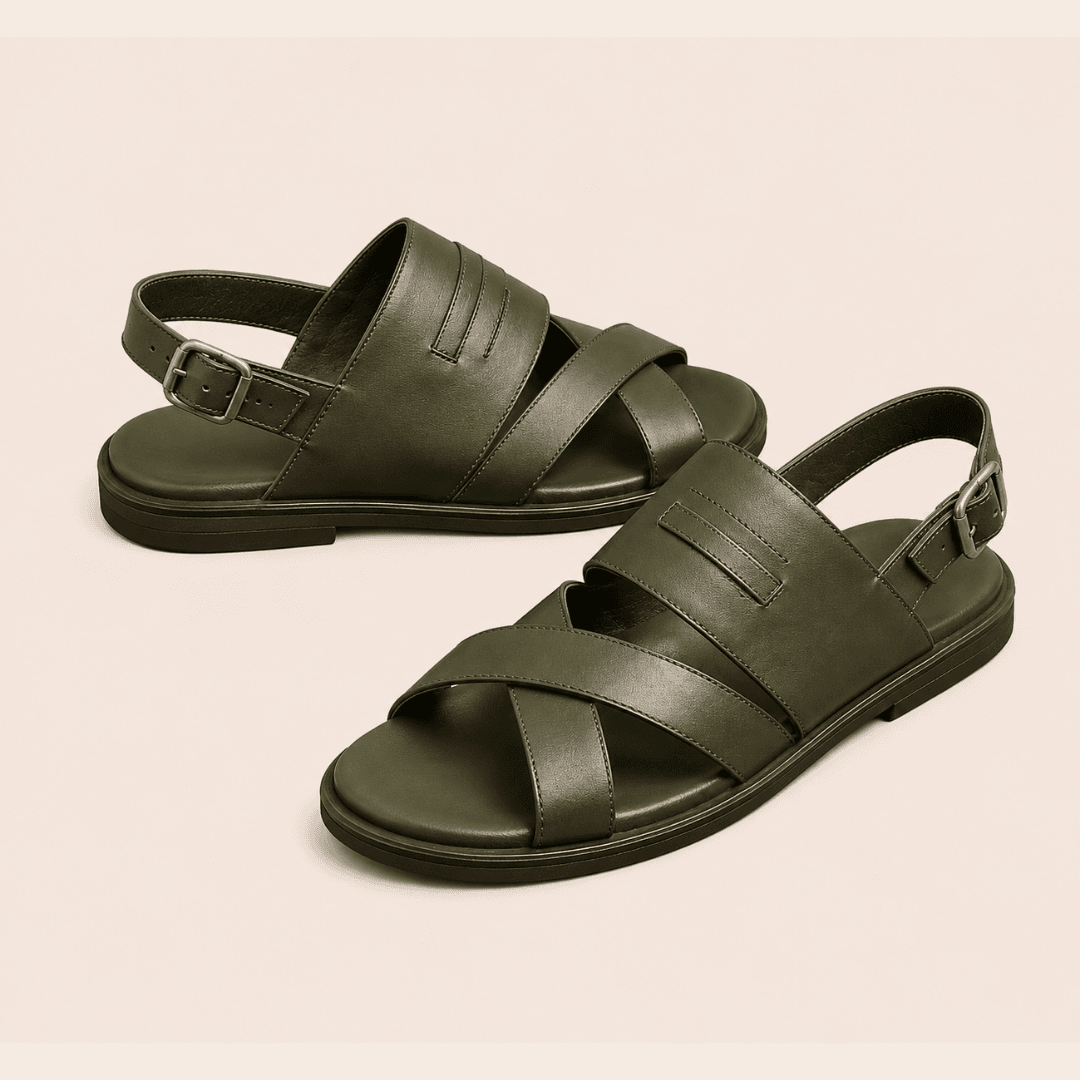
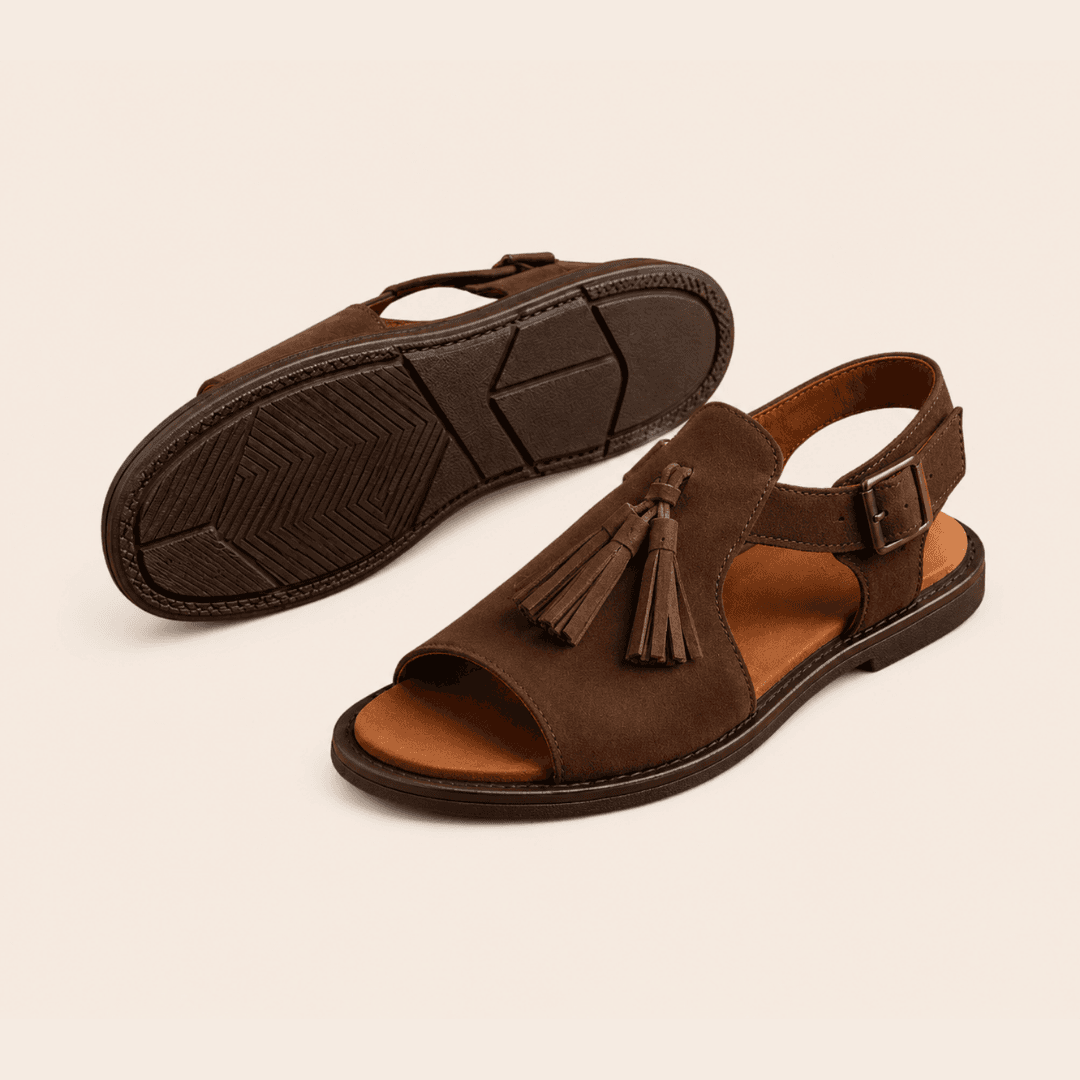
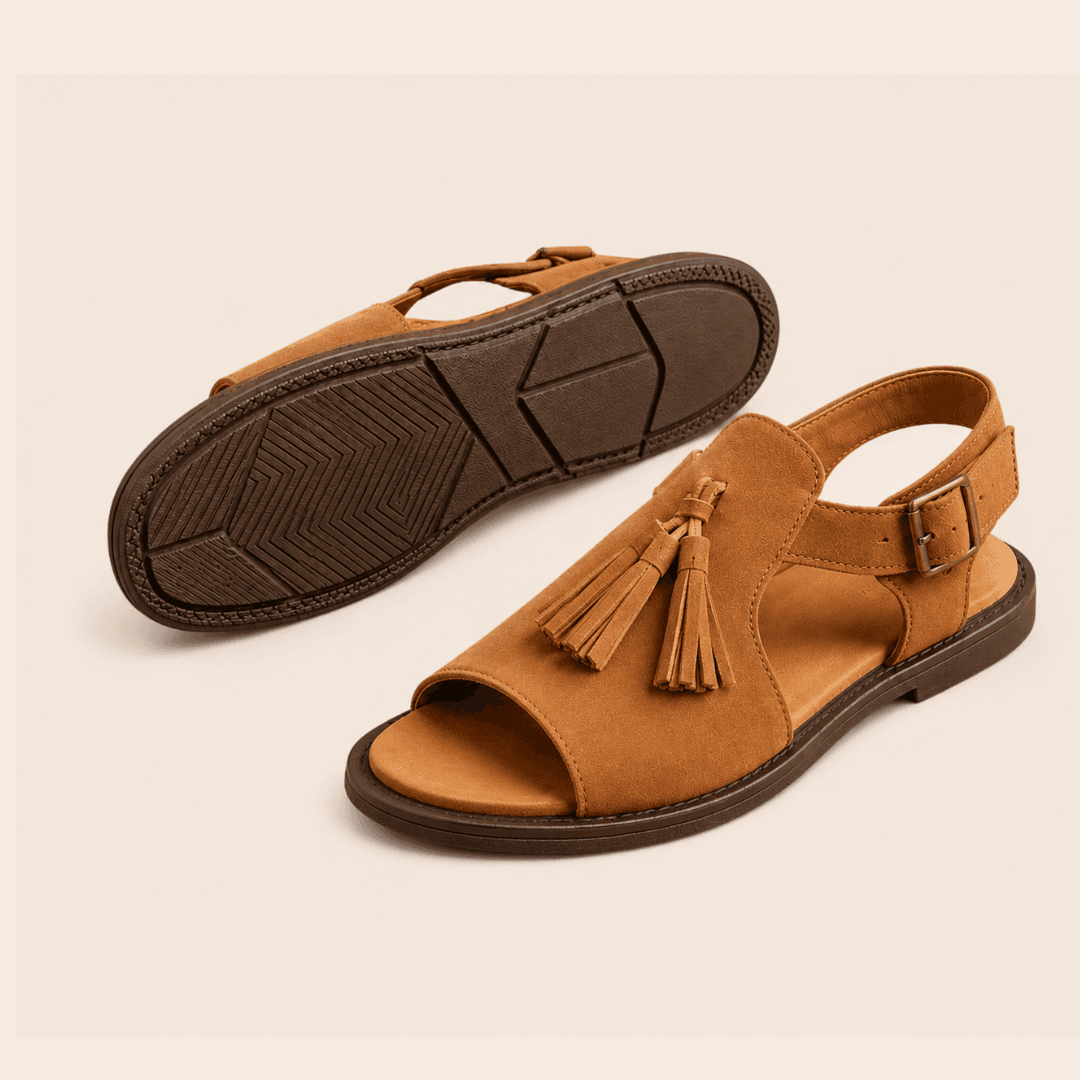
Choose a slide when ease is your priority. Choose a sandal with more foot coverage or a back strap when you expect more movement and want a steadier hold. FAWOYE options include the Multi-Strap Leather Sandal for an open, structured look and the Tassel Fisherman Sandal for more coverage. The Men’s Woven Rope Sandal adds woven texture, while the Quilted Women’s Sandal offers a softer dressy direction.
How to choose quality leather sandals
1. Start with the correct material
Read the product description rather than relying on colour or appearance. Smooth leather, suede, woven leather and mixed-material designs are not identical.
Smooth leather has a flatter surface and can be wiped after light dust or an accidental splash. Suede has a soft nap, marks more easily in wet or dusty conditions and should be cleaned with products made for suede. Woven leather has more edges and spaces where dust can settle, so it benefits from gentle brushing and careful cleaning between the strips.
A design may also combine leather with rope, transparent material, fabric, hardware or a synthetic sole. “Handmade” does not automatically mean every visible component is leather. Good product copy should tell you what you are buying.
2. Check the sole and footbed
The upper attracts attention, but the part under your foot affects the experience. Look for a footbed that supports the foot without feeling unusually hard, and a sole with enough grip for normal walking surfaces.
No sandal should be treated as anti-slip in every condition. Painted tiles, wet entrances and polished floors can still be slippery during the rainy season. Walk carefully and avoid choosing open leather footwear for days when you expect flooded roads or heavy rain.
3. Look at the straps
Straps should hold the foot without pinching. Very loose straps allow the foot to slide forward; very tight ones rub the skin and can make the sandal uncomfortable.
Broad straps can distribute pressure across more of the foot. Narrow or decorative straps may feel lighter but require a more precise fit. If you have a high instep or wide feet, do not assume that sizing up will solve every problem—it can leave excess length at the heel. A made-to-order pair may be the better option because the maker can consider your measurements and preferred material.
4. Choose a versatile colour
Black is easy with black, grey and deeper-coloured outfits. Dark brown and tan work naturally with cream, beige, brown, navy and many earth-toned native fabrics. Burgundy, green or blue can add personality when the rest of the outfit is controlled.
Your first pair should serve the clothes you already own. A neutral sandal you wear regularly is more useful than a striking colour that only matches one outfit.
How should leather sandals fit?
Your heel should sit on the footbed rather than hanging over the back. Your toes should not grip the edge or spill beyond the front. The straps should feel secure, but you should still be able to move your toes naturally.
When trying a pair:
- Stand up so your full weight settles into the sandal.
- Check the front and back for overhang.
- Walk on a clean surface and notice whether your heel lifts excessively.
- Pay attention to pressure around the little toe, instep and strap edges.
- Try the size you normally wear, then follow the brand’s EU size guide and measurement instructions.
Do not buy a painful sandal because you expect it to “break in.” Leather can soften with wear, but the basic length, footbed shape and strap position will not transform completely. The right pair should feel wearable from the beginning.
What to wear with leather sandals in Nigeria
Native wear
Leather sandals are natural partners for senator wear, kaftan and less formal agbada looks. A clean brown sandal can soften cream or earth-toned fabric, while black works with monochrome and deeper shades. Keep the footwear refined: the longer and more detailed the outfit, the less visual noise you need at your feet.
For more outfit guidance, see the best shoes for native wear and what shoes to wear with kaftan.
Jeans and chinos
For an easy weekend look, wear leather sandals with straight or tapered jeans, a plain T-shirt and a lightweight overshirt. Avoid very long trousers that bunch over the sandal. With chinos, add a polo, linen shirt or neat short-sleeve shirt.
Shorts and relaxed sets
A simple sandal works with tailored shorts, matching linen sets and holiday clothing. Balance matters: if the clothes already have bold prints or embroidery, choose a quieter sandal.
Weddings and events
Leather sandals can suit a relaxed traditional event, introduction ceremony or family celebration, depending on the dress code. They are less appropriate for a black-tie reception or any invitation that clearly expects formal shoes. When unsure, a loafer is the safer bridge between traditional and formal dressing.
Nigerian weather: rainy season and harmattan care
Leather is not waterproof. During the rainy season, avoid wearing leather sandals through deep water or prolonged rain. If they become wet, wipe away surface moisture, reshape the straps gently and allow them to dry in an airy place. Do not place them beside a heater or under harsh direct sun; fast heat can affect leather and adhesives.
During harmattan, dust settles quickly on uppers, stitching and woven sections. Wipe smooth leather with a soft dry cloth after wear. Use a soft brush for woven areas. Apply only a small amount of leather conditioner when the material looks dry, and test it on a hidden section first because some products can deepen the colour.
Suede needs a separate routine: let it dry, then lift dirt with a clean suede brush. Do not apply ordinary leather cream to suede. For everyday slide care, use the steps in how to clean leather slides.
When made-to-order is worth considering
Made-to-order sandals are useful when you want a particular colour, material or size, or when a standard strap arrangement rarely sits well on your foot. It also lets you choose a design for an outfit you already own rather than forcing your wardrobe around whatever is immediately available.
Before ordering, confirm the material, EU size, colour, expected production time and whether the selected design can be adjusted. Handcraft does not remove the need for accurate measurements; it makes clear communication even more important. Learn more in what made to order means.
A simple buying checklist
Before choosing leather sandals in Nigeria, ask:
- Is the upper smooth leather, suede, woven leather or a mixture?
- Does the fit suit my foot width and instep?
- Will my toes and heel sit fully on the footbed?
- Is the colour useful with my existing wardrobe?
- Does the design match the occasions I actually attend?
- Do I understand the care requirements?
- Have I checked the EU size guide and production timeline?
The right leather sandal should make getting dressed easier. Choose the material honestly, prioritise fit and buy for the life you actually live.
Related FAWOYE Journal guides
- Men’s leather slides in Nigeria
- What to wear with slides
- Cross-strap slides: how to choose and style them
- Palm and native slippers styling guide
- How to tell genuine leather from fake
Frequently Asked Questions
Are leather sandals good for everyday wear in Nigeria?
Yes, when the design fits properly and suits the amount of walking you do. For longer days, prioritise a secure fit, supportive footbed and sole with practical grip.
Can I wear leather sandals with senator or kaftan?
Yes. Simple black, brown or tan leather sandals work especially well with senator wear and kaftan. Match the level of detail in the sandal to the outfit and the event.
Can leather sandals be worn in the rain?
They can handle an accidental light splash, but leather is not waterproof. Avoid heavy rain, flooded areas and prolonged soaking. Dry wet sandals naturally in an airy space.
How do I know whether a sandal is leather or suede?
Smooth leather has a flatter surface; suede has a soft, brushed nap. Always confirm the product’s material description because images and colour alone are not reliable.
Should leather sandals feel tight at first?
They should feel secure, not painful. Leather may soften slightly, but a poor length or badly placed strap is unlikely to correct itself through wear.
Are made-to-order sandals better for wide feet?
They can be useful because measurements and strap placement may be considered before production. Confirm what adjustments are possible with the maker before ordering.