A useful shoe wardrobe is not about owning dozens of pairs. It is about having the right pair when Monday morning, a wedding invitation, a quick market run or a rainy commute arrives.
For a Nigerian woman, that wardrobe has to work harder than a generic fashion checklist suggests. Our days can move from office tiles to uneven pavements, from a long church service to an evening reception. Heat, sudden rain and harmattan dust also affect what feels comfortable and what is easy to maintain.
The seven shoe types below cover the moments that appear most often in Nigerian life. You may choose leather, suede, woven fabric, denim or another suitable material depending on the design and how you intend to wear it. The goal is a balanced wardrobe, not a rulebook.
1. A polished flat or low loafer for work
A neat flat shoe is the pair you reach for when you need to look professional without spending the day thinking about your feet. A streamlined loafer works with trousers, midi skirts, simple dresses and many smart-casual Friday outfits.
Black is the most versatile choice for a formal workplace. Dark brown, burgundy and tan feel softer and can work beautifully with navy, cream, earth tones and prints. If your office is less formal, a two-tone finish can add personality without making the outfit look busy.
Look for a secure fit at the heel, enough room across the toes and a sole that feels stable on smooth floors. A shoe should feel comfortably snug, not painfully tight. For more help, read our guide to office shoes for women and our advice on comfortable shoes for standing all day.
FAWOYE options to consider include the Penny Loafers and Two-Toned Penny Loafer. Check the product page and your selected variation for the current material and colour details.
2. A comfortable block heel
A block heel gives you height with a broader base underfoot than a narrow heel. That makes it useful for weddings, dinners, work events and celebrations where you may spend hours greeting people, standing for photographs or moving between surfaces.
Choose a height you can walk in naturally. The best test is not how the shoe looks while you are seated; it is whether your steps remain steady after you have worn it for a while. A padded footbed, secure straps and a heel placed well under the foot usually matter more than chasing extra height.
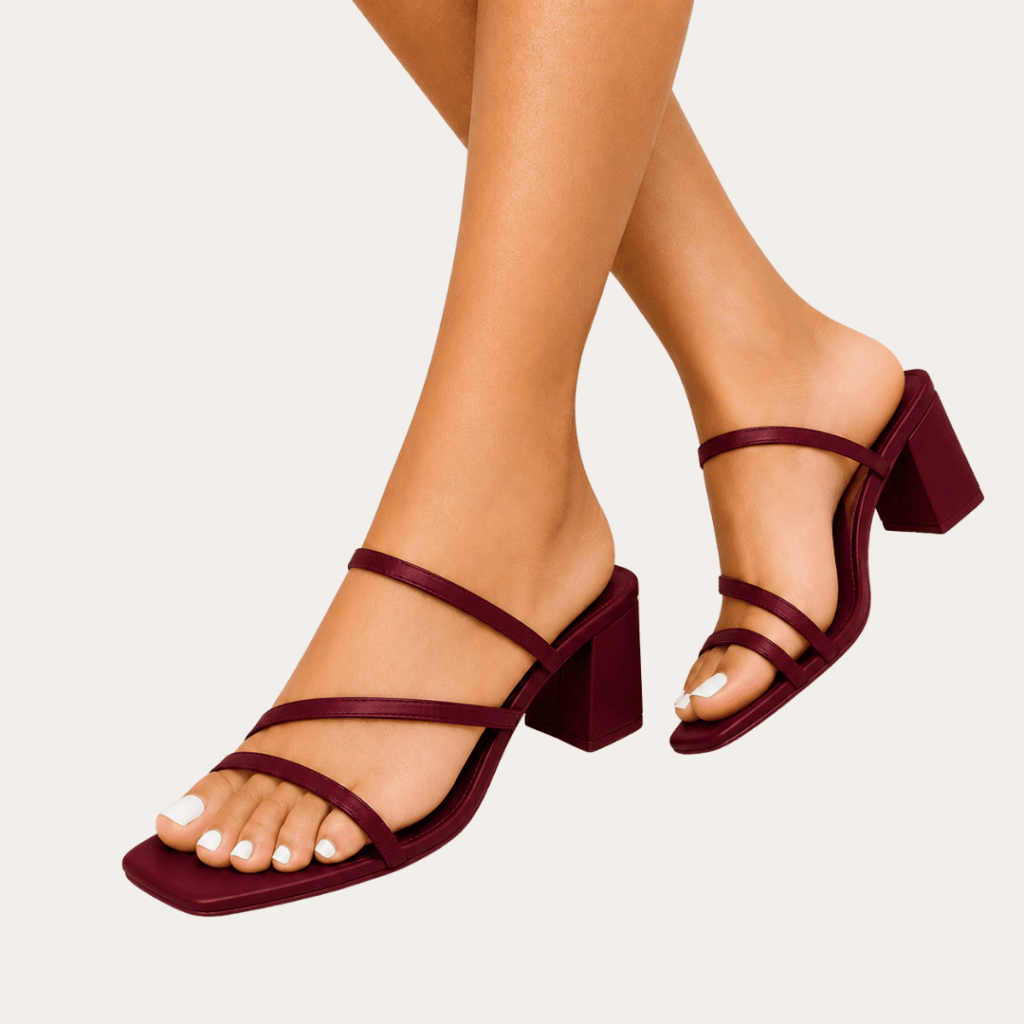
A neutral shade can serve several outfits, while a rich colour can become the focal point of a simple dress. The Strappy Block Heel Mule is one FAWOYE option to compare.
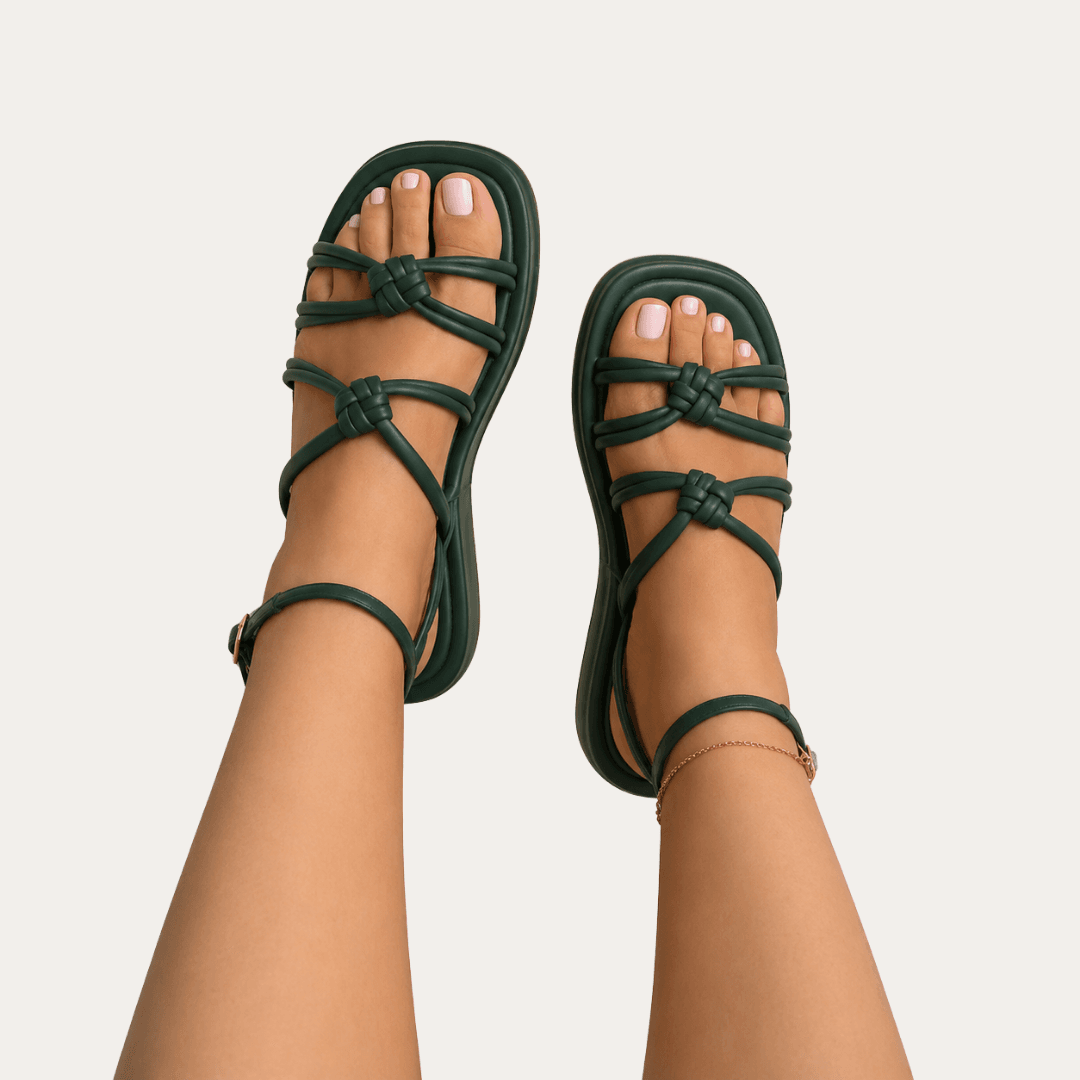
3. An elegant flat sandal
Not every occasion needs a heel. A refined flat sandal can handle family visits, casual Fridays, lunch, church activities and relaxed social events. It also gives your feet a break after a week in more structured shoes.
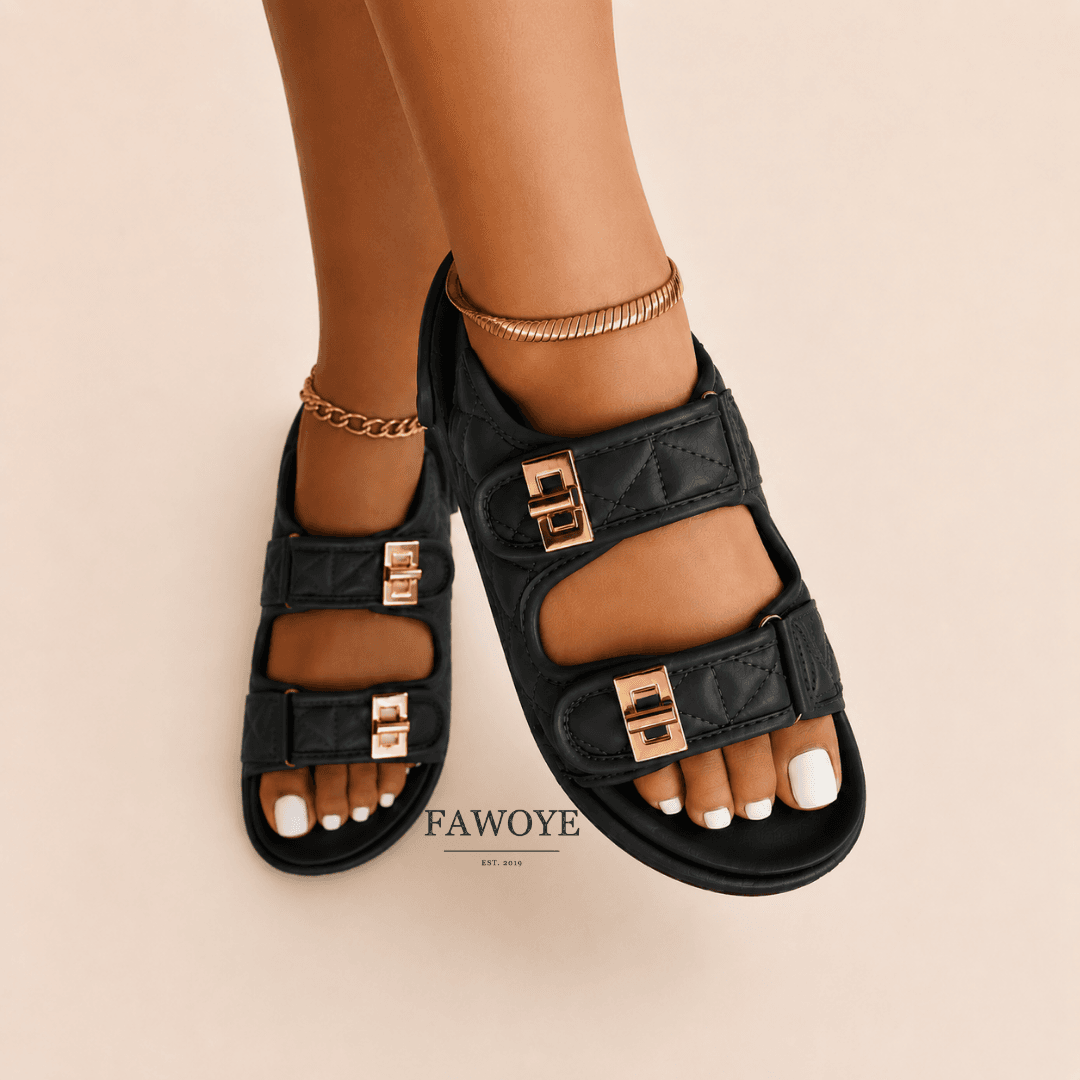
The difference between an everyday sandal and a polished one is often in the details: balanced straps, a clean shape, secure construction and a finish that complements your clothes. If you want a dressier flat option, consider the Quilted Women’s Sandal.
For wedding-related choices, see the best flat shoes for weddings and comfortable wedding shoes in Nigeria.
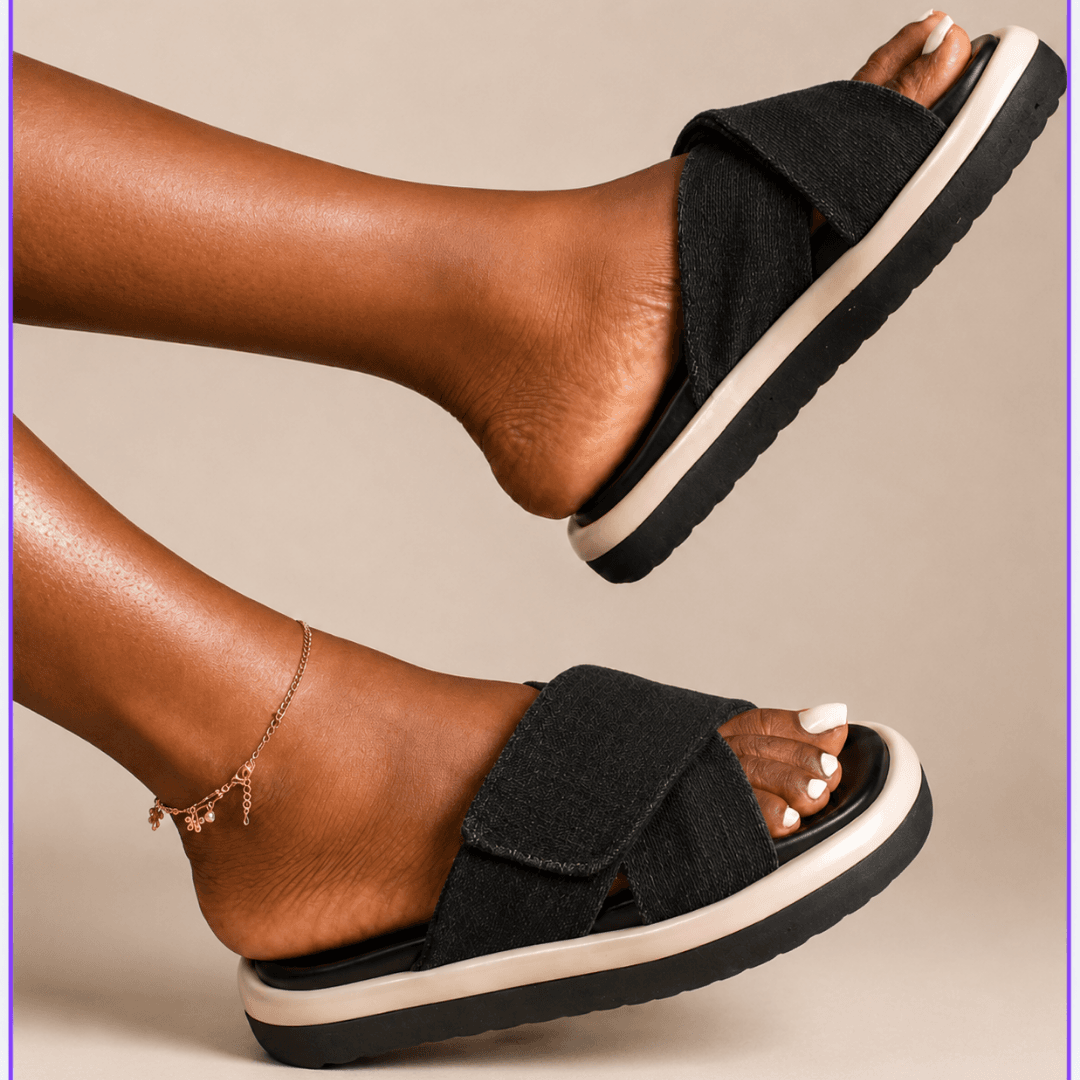
4. A dependable slide for everyday life
Slides earn their place because Nigerian life includes many moments when you need something quick, comfortable and still presentable. Think errands, school runs, visiting friends, salon appointments, travelling or simply stepping out without turning the outfit into a full production.
A good slide should stay on your foot without forcing your toes to grip. The upper should feel secure, and the sole should suit the surfaces you normally walk on. Avoid choosing only by appearance; a loose or unstable slide becomes tiring very quickly.
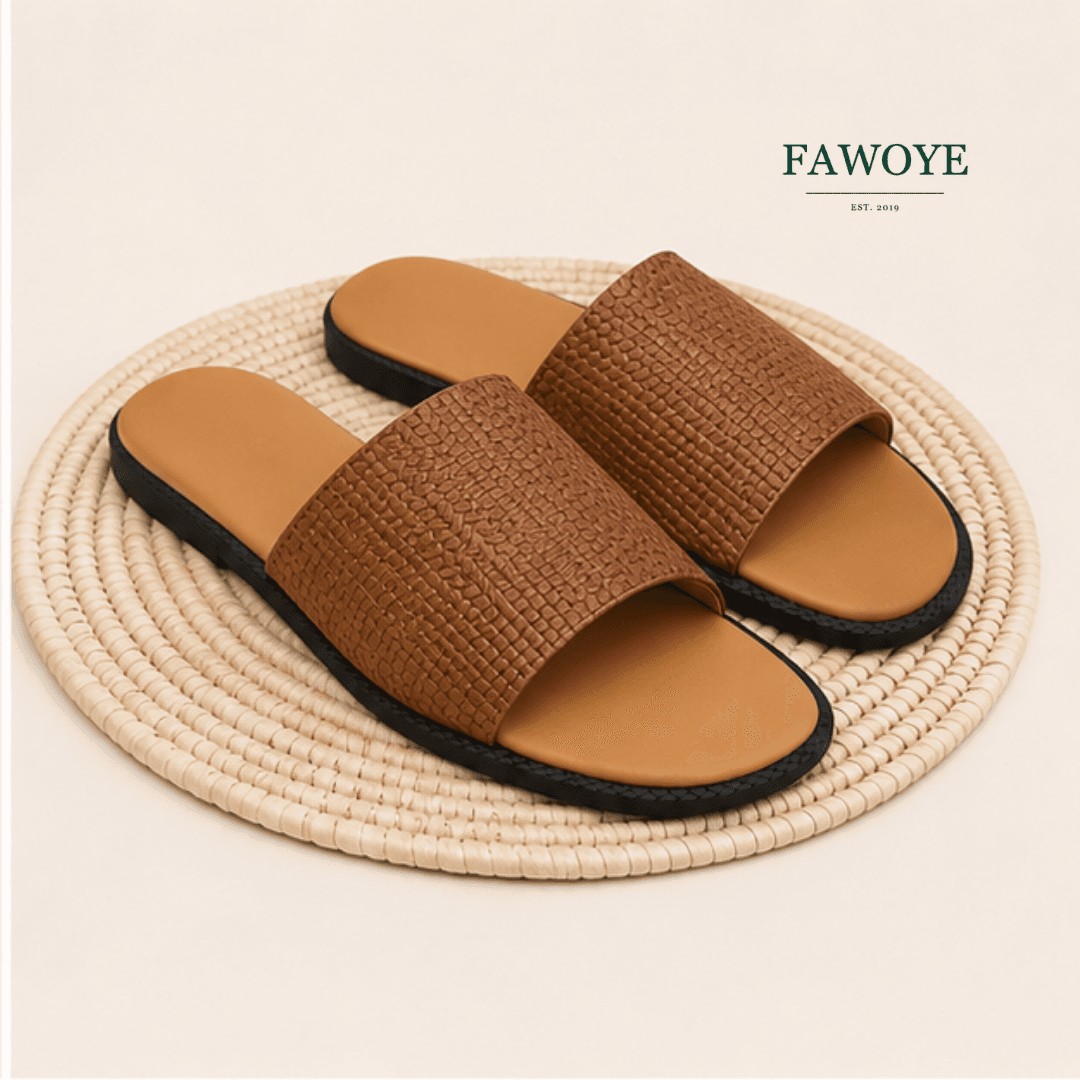
Explore the FAWOYE slides category and read Women’s Leather Slides: What to Look For for more guidance. Remember that FAWOYE designs may be offered in different materials, so confirm the selected option rather than assuming every version is leather.
5. A dress shoe for weddings and owambe
Weddings demand a pair that can survive more than the entrance photograph. You may walk across a hall, stand through greetings, dance and remain on your feet long after the programme says the event should have ended.
Your ideal wedding shoe may be a block heel, low heel, embellished flat or elegant sandal. Match the formality of the outfit, but also consider the venue and how long you will wear the pair. If the dress or aso ebi already has strong beadwork, a cleaner shoe can bring balance. With a simple outfit, the shoe can carry more detail or colour.
Our guides to shoes for female wedding guests in Nigeria and shoes for Nigerian brides offer more specific recommendations.
6. A closed shoe that can handle unpredictable weather
Rainy-season dressing requires a little strategy. An open sandal is easy to clean after a light splash, but it offers little protection when roads are wet. A closed pair made in an appropriate, maintainable material can be more useful for commuting—provided it is not treated as waterproof unless the product is specifically designed that way.
Check the forecast where possible, avoid deep water and allow wet shoes to dry naturally in an airy place. Do not place leather or suede directly against intense heat. Suede needs suede-specific cleaning; leather cream should not be applied to suede. During harmattan, brush or wipe away dust regularly before it settles into seams and textured surfaces.
This “weather pair” can be a loafer, flat or another stable closed style. What matters is that you know how to care for its actual material.
7. A clean trainer or casual lace-up
A comfortable trainer covers travel days, long errands, campus visits, relaxed weekends and outfits that need a modern casual finish. Choose a simple colour if you want maximum repeat wear, and keep the pair clean enough that it looks intentional rather than forgotten.
The right casual shoe should still fit properly. Your toes need room, your heel should not lift excessively and the sole should support the amount of walking you expect to do. If you already wear slides for most casual outings, a trainer adds coverage and support for longer days.
How to build the wardrobe without buying everything at once
Start with the gaps in your real calendar.
If you work in an office five days a week, begin with the loafer or polished flat. If weddings dominate your weekends, add a comfortable event shoe and an elegant flat backup. If most of your days are informal, prioritise the slide, sandal and casual lace-up.
A practical order for many women is:
- Work flat or loafer
- Everyday slide
- Comfortable event shoe
- Elegant flat sandal
- Casual trainer
- Rainy-day closed shoe
- Statement or second occasion pair
Colour matters too. Black, brown, tan, nude and cream are easy foundations, but “neutral” depends on your wardrobe and skin tone. A burgundy or forest-green shoe may repeat more often in your outfits than a beige pair bought only because a checklist called it essential.
Fit before fashion
A beautiful shoe that pinches, slips or changes the way you walk will remain in its box. Measure both feet, use the brand’s current size guide and consider the shape of the design. If one foot is slightly larger, fit the larger foot.
For made-to-order footwear, provide accurate measurements and clarify any fit concerns before production begins. “It will stretch” is not a reliable solution to painful sizing. Some materials soften with wear, but the shoe should not begin as an endurance test.
The best wardrobe is the one you actually wear
The seven categories are a framework. A woman who works remotely, attends few formal events and walks often will need a different mix from someone whose week includes corporate meetings and weddings. Buy for your present life first.
A thoughtful shoe wardrobe gives you fewer rushed purchases, better cost per wear and an easier answer to the daily question: “What shoes am I wearing with this?”
Related FAWOYE Journal guides
- Office Shoes for Women
- Comfortable Shoes for Standing All Day
- Best Shoes for Female Wedding Guests in Nigeria
- Best Shoes for Nigerian Brides
- Best Flat Shoes for Weddings
- Comfortable Wedding Shoes in Nigeria
- Women’s Leather Slides
Frequently Asked Questions
How many pairs of shoes should a Nigerian woman own?
There is no correct number. A compact wardrobe of five to seven well-chosen types can cover work, events, errands and relaxed days. Your routine should decide the final mix.
What is the most versatile women’s shoe colour?
Black is dependable for formal work and evening wear. Brown, tan, nude and cream can be equally useful with lighter wardrobes. Choose the neutral that repeats naturally with your clothes.
Are block heels better than stilettos for weddings?
Block heels usually provide a wider, more stable base, which many people find easier for long events. Comfort still depends on heel height, fit, footbed and construction.
What shoes are best during Nigeria’s rainy season?
Use a stable pair made from a material you can maintain, avoid deep water and dry damp shoes naturally. No ordinary fashion shoe should be assumed waterproof. Suede requires extra caution in wet conditions.
Can loafers be worn by women?
Yes. Loafers work well with trousers, skirts, dresses and smart-casual outfits. The important details are fit, shape and how formal the finish appears.
Should new shoes hurt before they become comfortable?
No. Slight stiffness can ease with wear, but pinching, numbness or sharp pain indicates a fit problem. Do not rely on a painful “break-in” period.