Wedding shoes do more than appear in photographs. They carry you through dressing, arrivals, greetings, ceremonies, dancing and the journey home. Avoiding a few common mistakes can protect both the outfit and the day.
1. Buying the shoes after the outfit has been altered
Heel height changes how a gown or trouser falls. Choose the shoes before final alterations and take the exact pair to fittings. This prevents dragging hems, exposed ankles and last-minute adjustments.
2. Choosing appearance without checking fit
A shoe should hold the foot securely without pinching the toes or slipping at the heel. Test both feet and walk on a clean indoor surface. Pain is not proof of quality; read should shoes hurt when breaking in?
3. Wearing the pair for the first time on the wedding day
Wear the shoes briefly indoors before the event. This confirms fit and helps you notice rubbing straps or pressure points while there is still time to act.
4. Ignoring the venue
A narrow heel may sink into grass. A delicate sole may struggle on rough outdoor ground. A heavy shoe can feel wrong at a formal indoor ceremony. Match the shoe to the actual surfaces and movement involved.
5. Forgetting how long Nigerian weddings can be
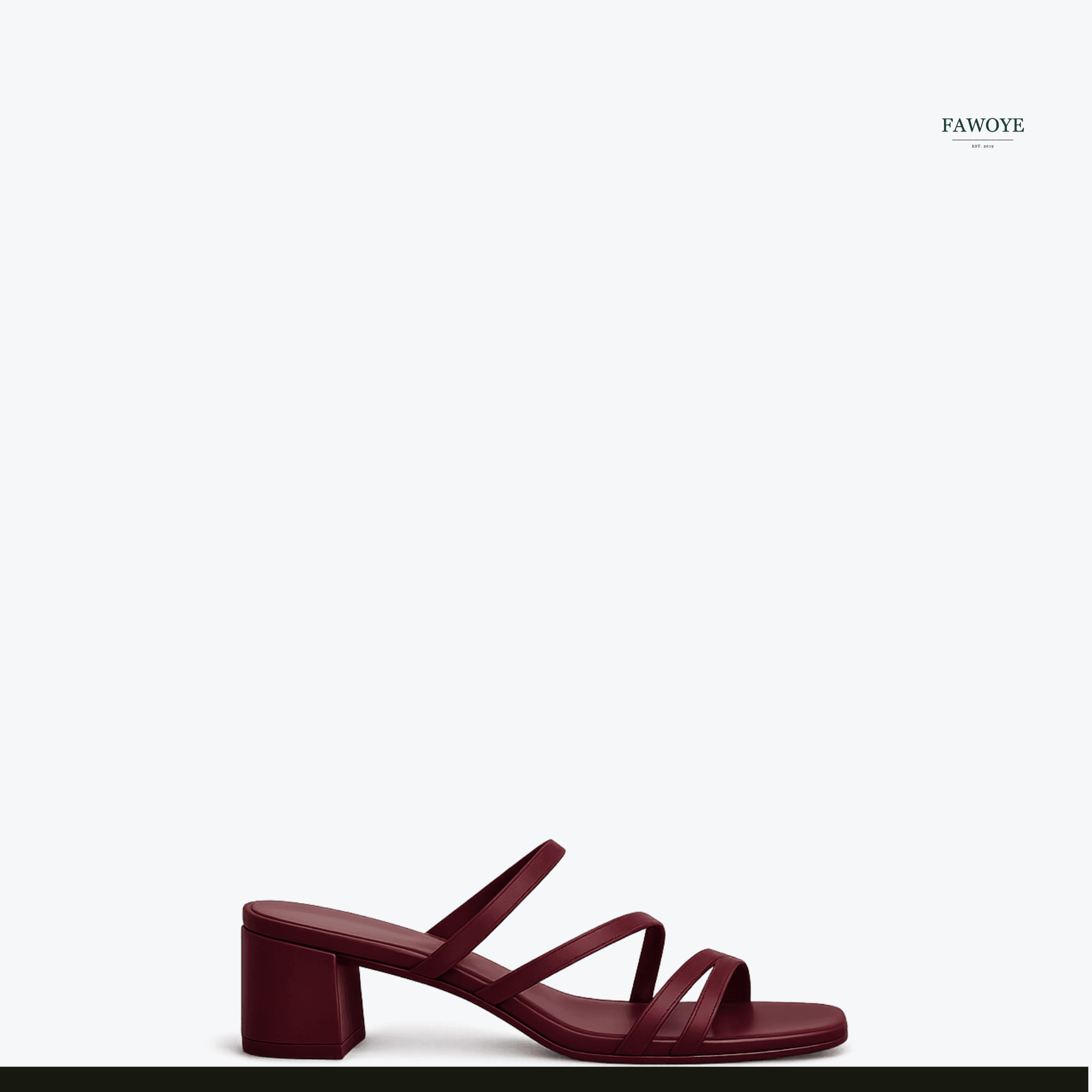
Plan for the full day, not only the aisle. Brides may prefer stable block heels or refined flats; guests can explore comfortable heels for owambe and best flat shoes for weddings.
6. Making the shoes compete with the clothes
Detailed lace, beadwork and embroidery already command attention. A quieter shoe often creates a more expensive-looking finish. With simpler clothing, the shoe can carry more colour or texture.
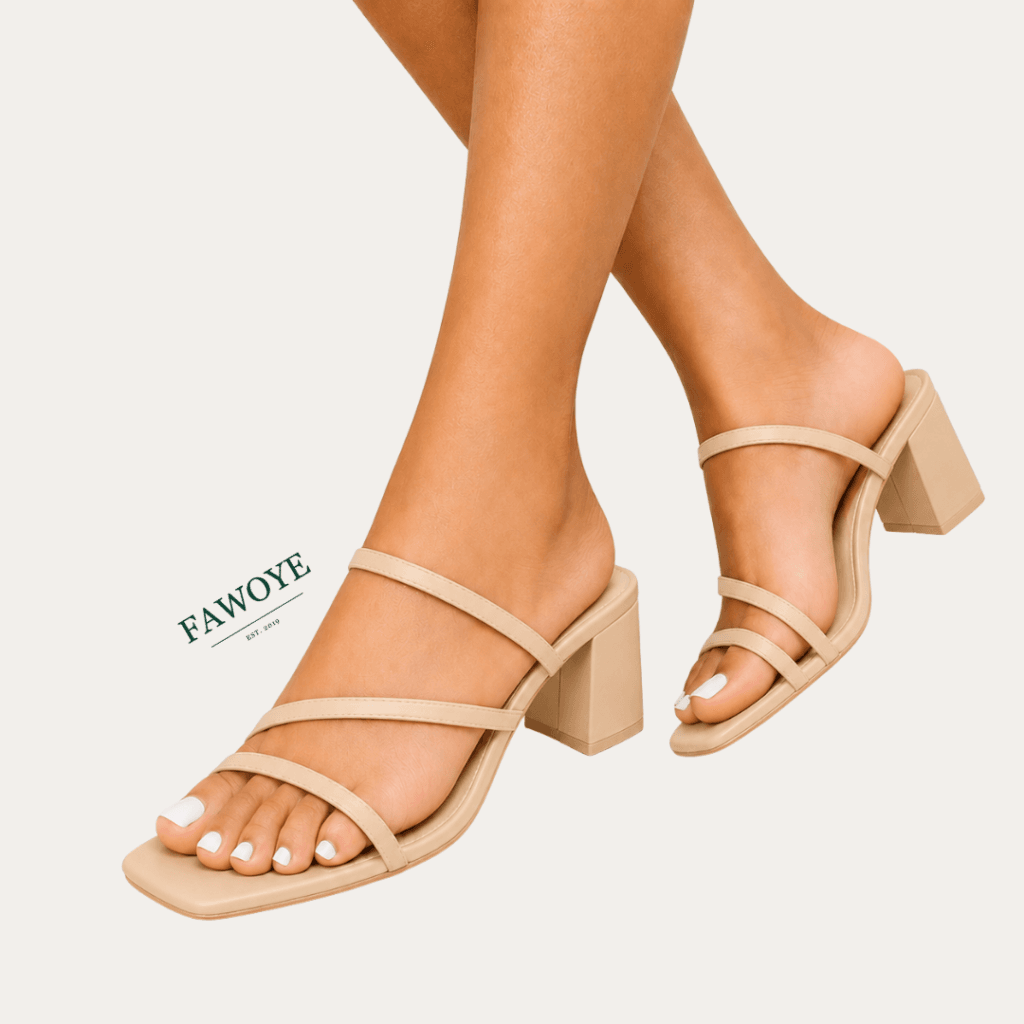
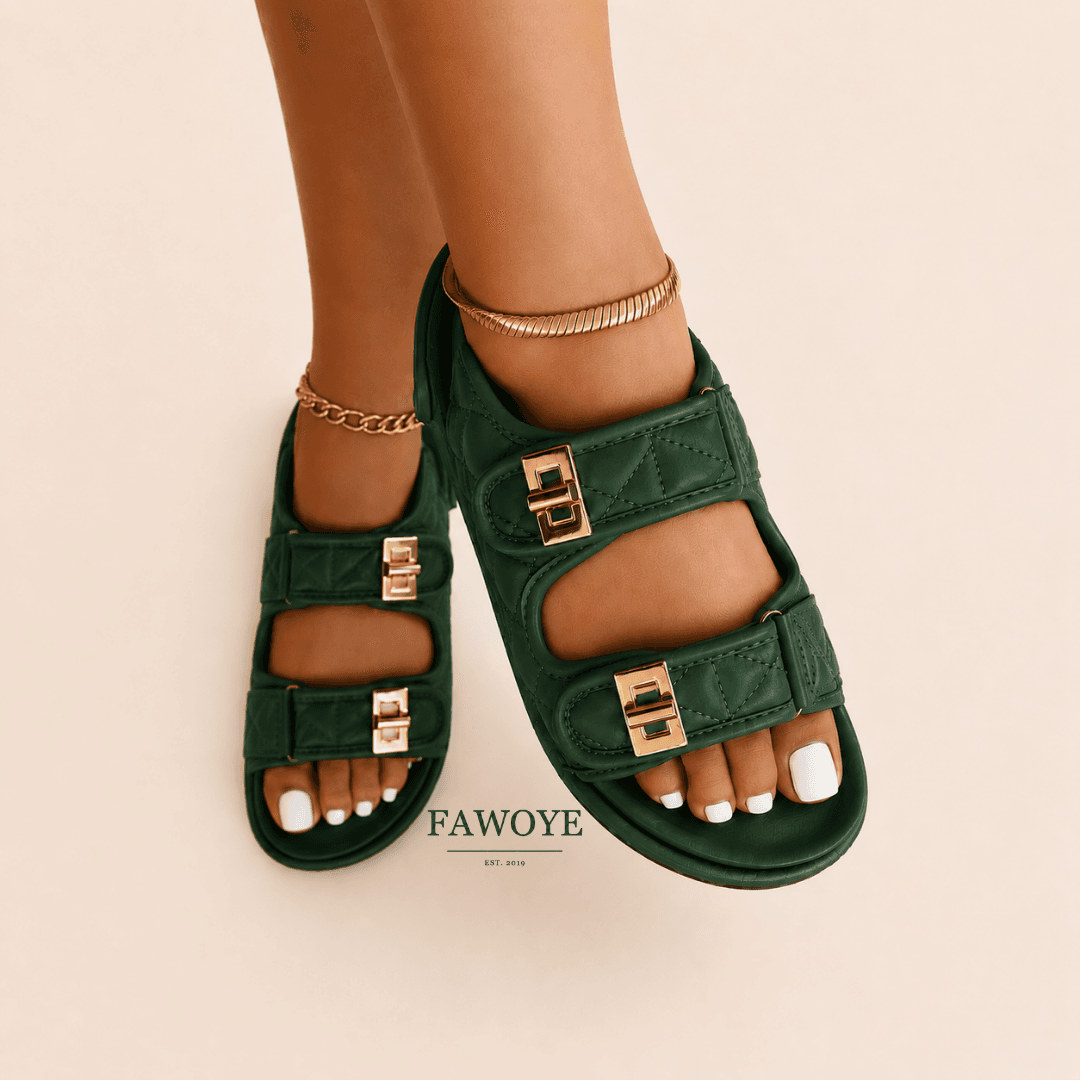
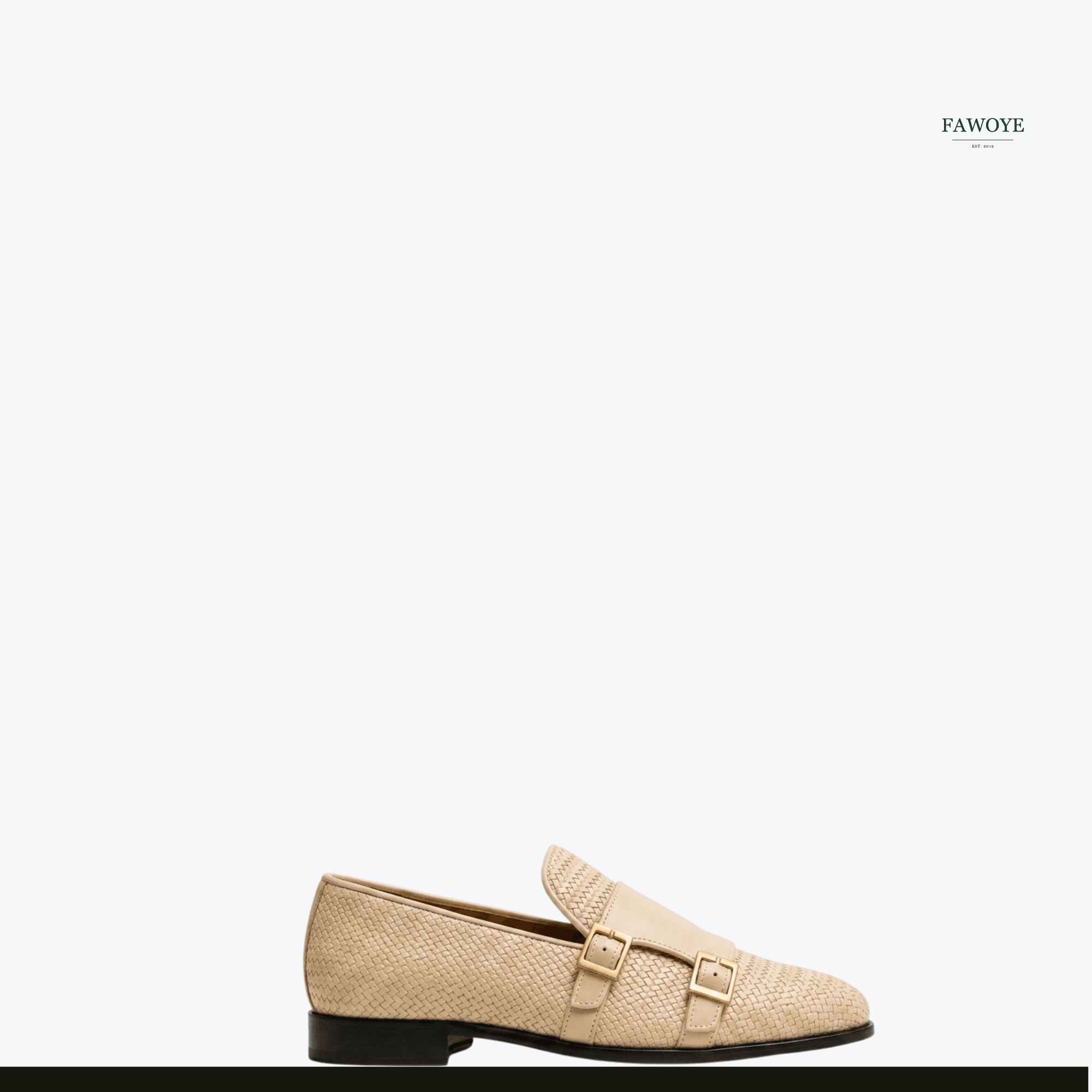
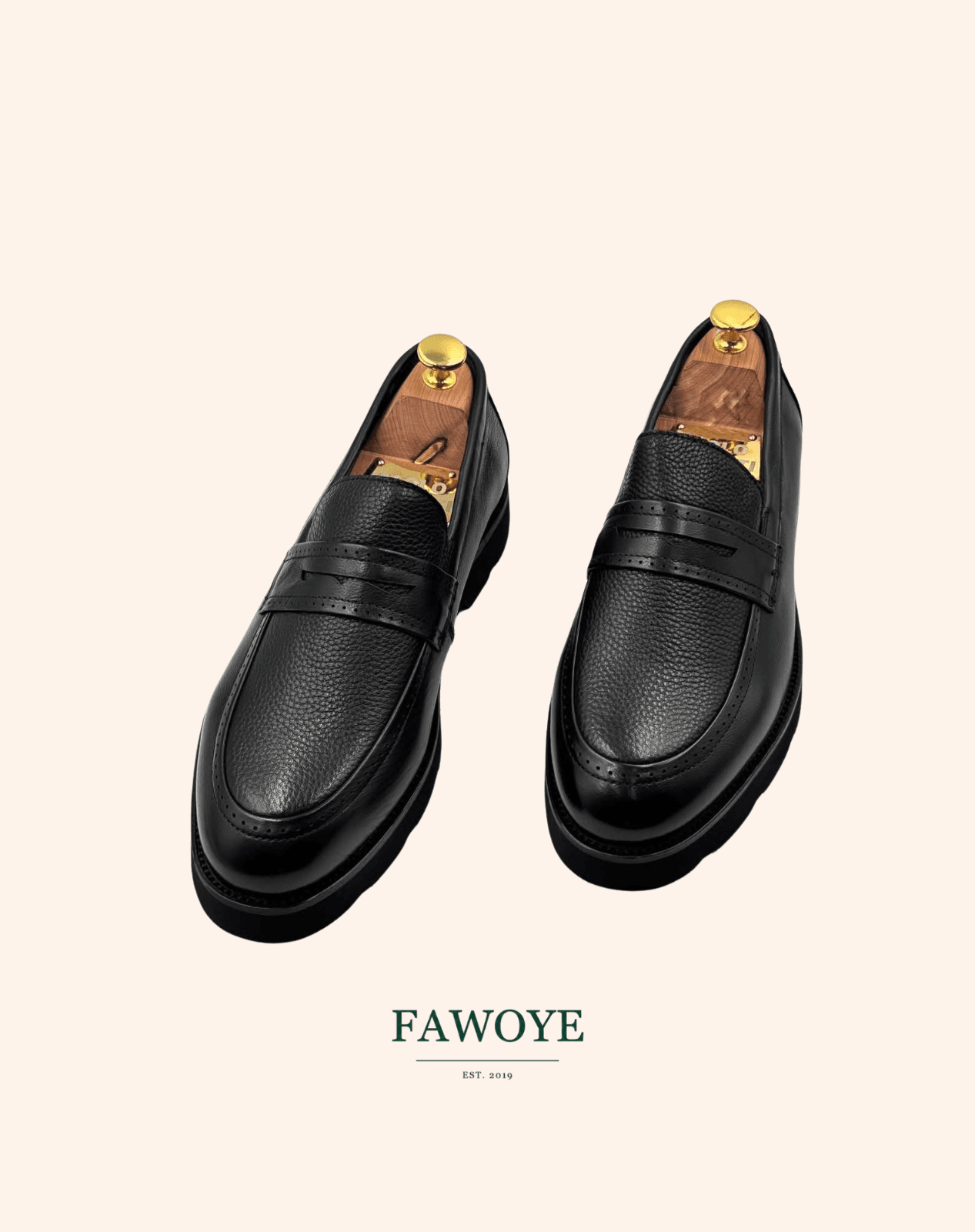
For grooms, FAWOYE Two Toned Monkstrap and Wing Tail Brogue offer distinct formal directions. Brides and guests can consider the Strappy Block Heel Mule or Quilted Women’s Sandal.
7. Assuming every “nude” suits every skin tone
Nude is a family of tones, not one universal colour. Choose a neutral that complements your skin and outfit rather than accepting a label.
8. Forgetting the groom’s trouser length
Formal trousers should sit cleanly over the shoe. Complete alterations while wearing the intended pair so the break and proportions look deliberate.
See best shoes for the groom at a Nigerian traditional wedding.
9. Packing no backup plan
For a long reception, a coordinated flat or lower pair can be sensible. Pack blister plasters and keep the backup accessible—not underneath luggage at another location.
10. Storing the shoes carelessly before the event
Keep them clean, supported and dry. Do not seal damp shoes in plastic or leave them exposed to dust. See how to store leather shoes in Nigeria.
A final wedding-shoe checklist
- chosen before final alterations;
- correct size and secure fit;
- tested indoors;
- suitable for the venue;
- comfortable for the schedule;
- coordinated with the complete outfit;
- cleaned and packed correctly;
- backup prepared if needed.
For more choices, read comfortable wedding shoes in Nigeria and best shoes for Nigerian brides.
FAQs
When should wedding shoes be purchased?
Before final outfit alterations, with enough time to test the fit and organise an alternative if necessary.
Should wedding shoes match the outfit exactly?
No. They can complement the colour, repeat one detail or provide a controlled contrast.
Are block heels suitable for weddings?
Yes. Their broader base can be useful for standing, dancing and uneven surfaces.
Should a groom wear loafers or lace-ups?
Both can work. The ceremony’s formality, trouser style and cultural attire should guide the choice.